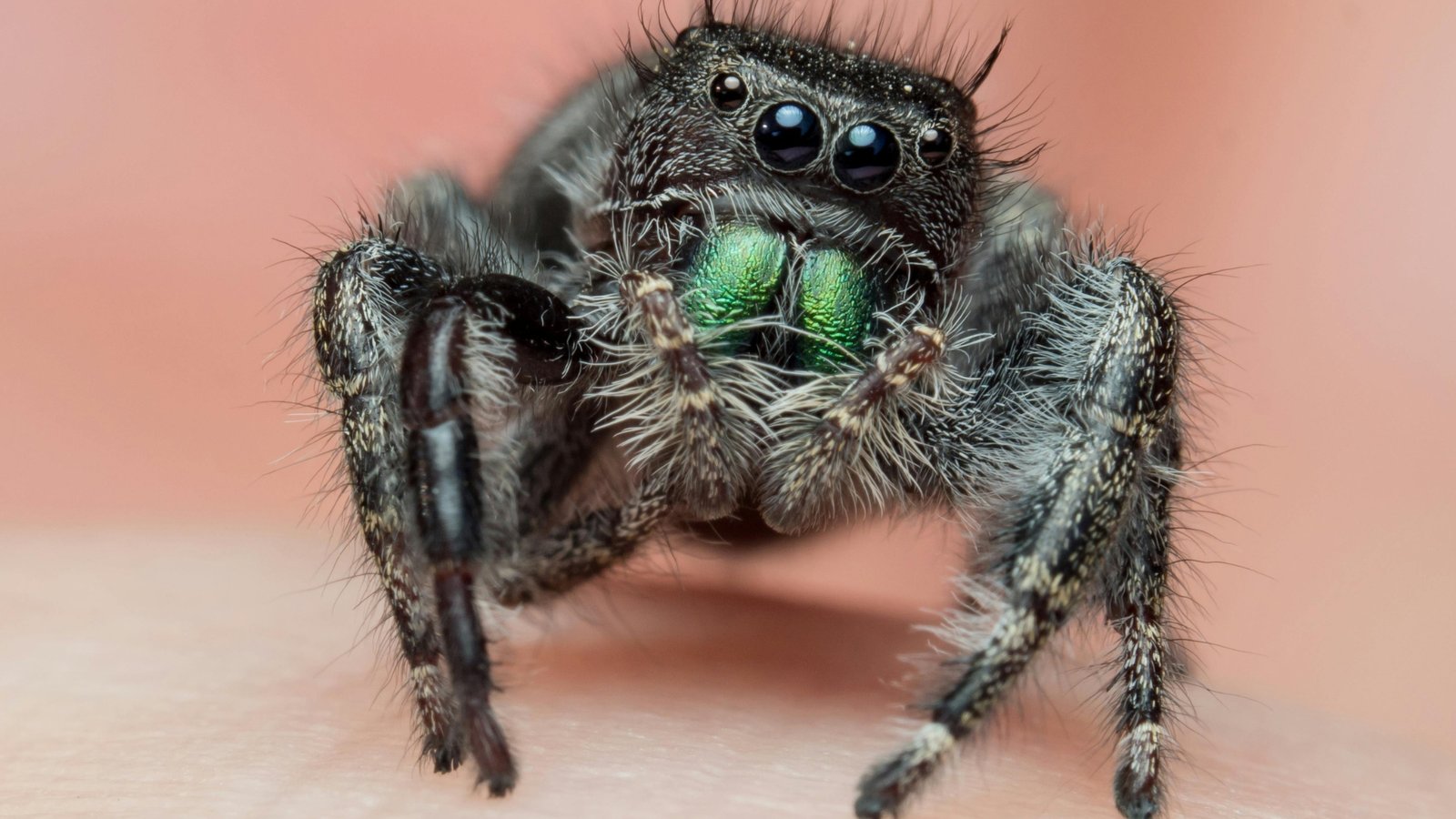
Phidippus Jumping Spiders — Phidippus spp.
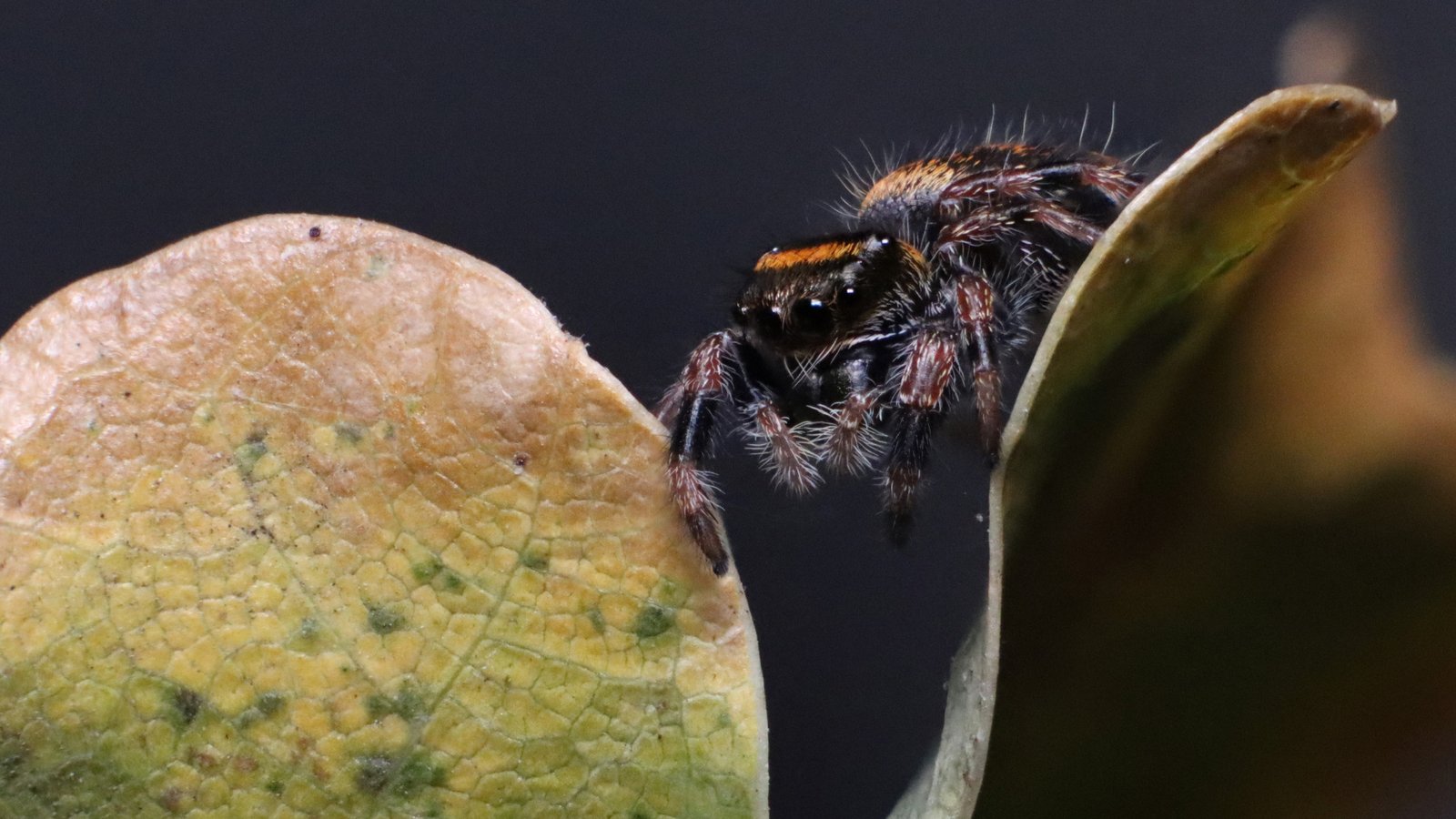
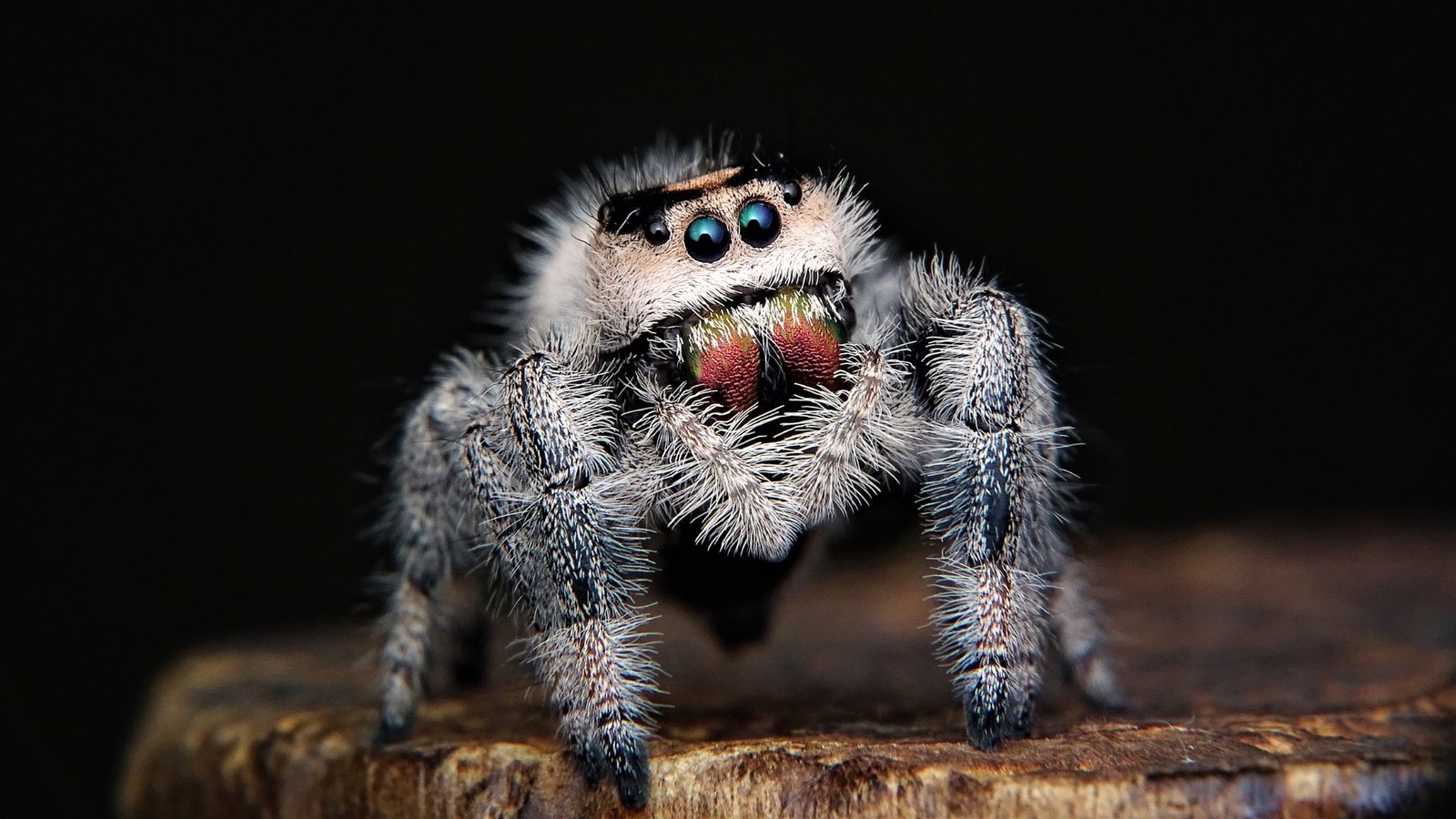
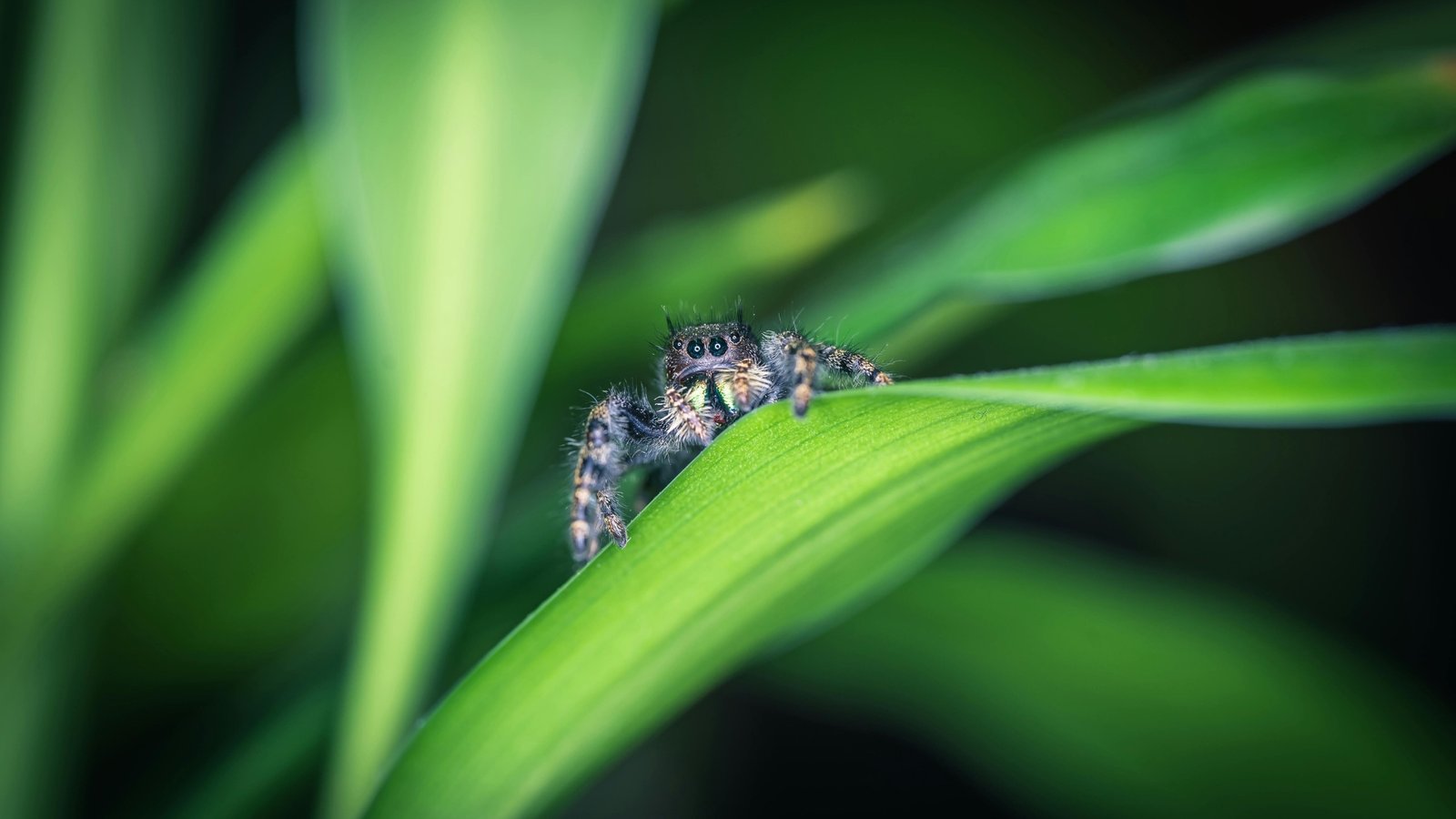
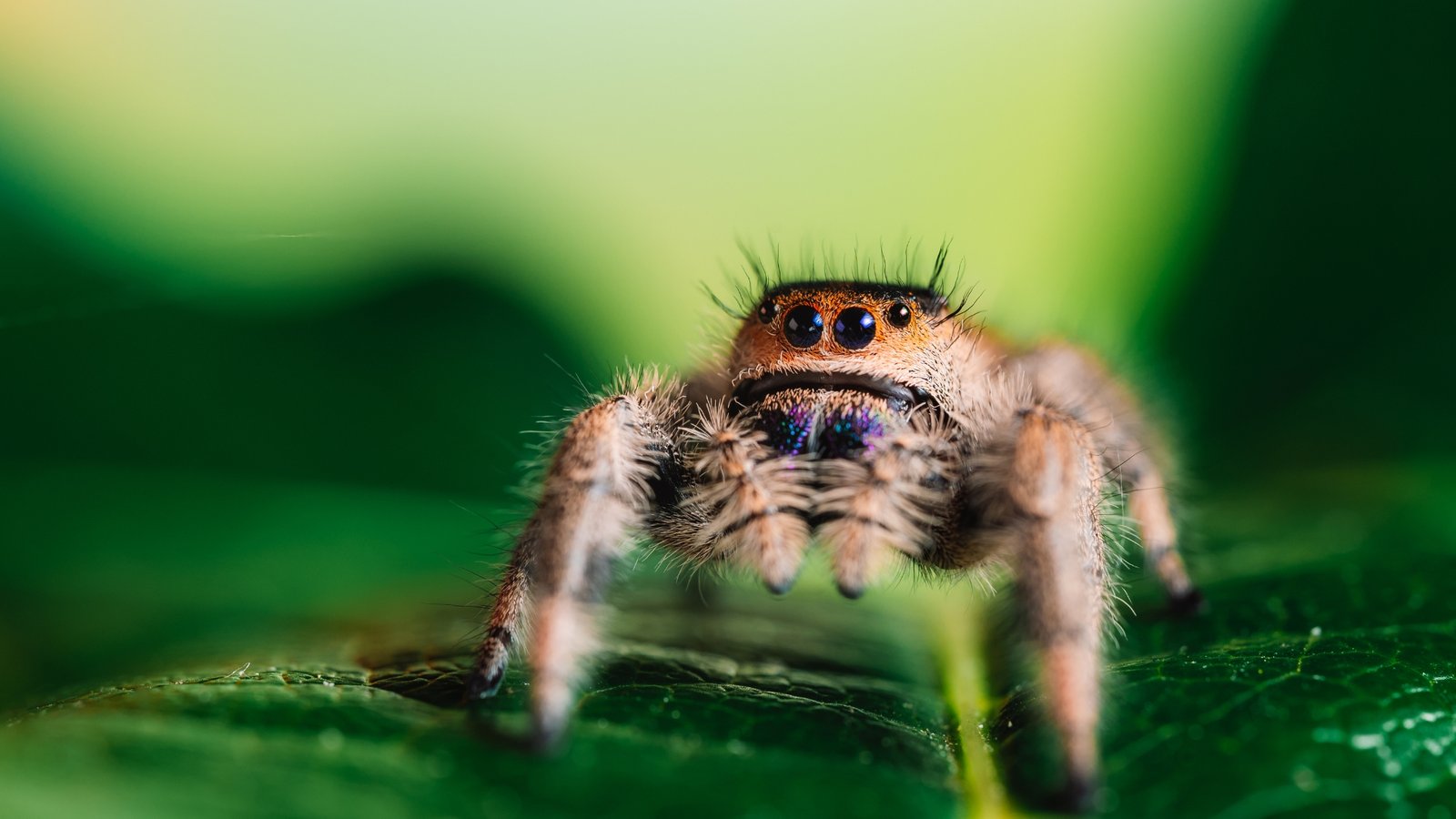
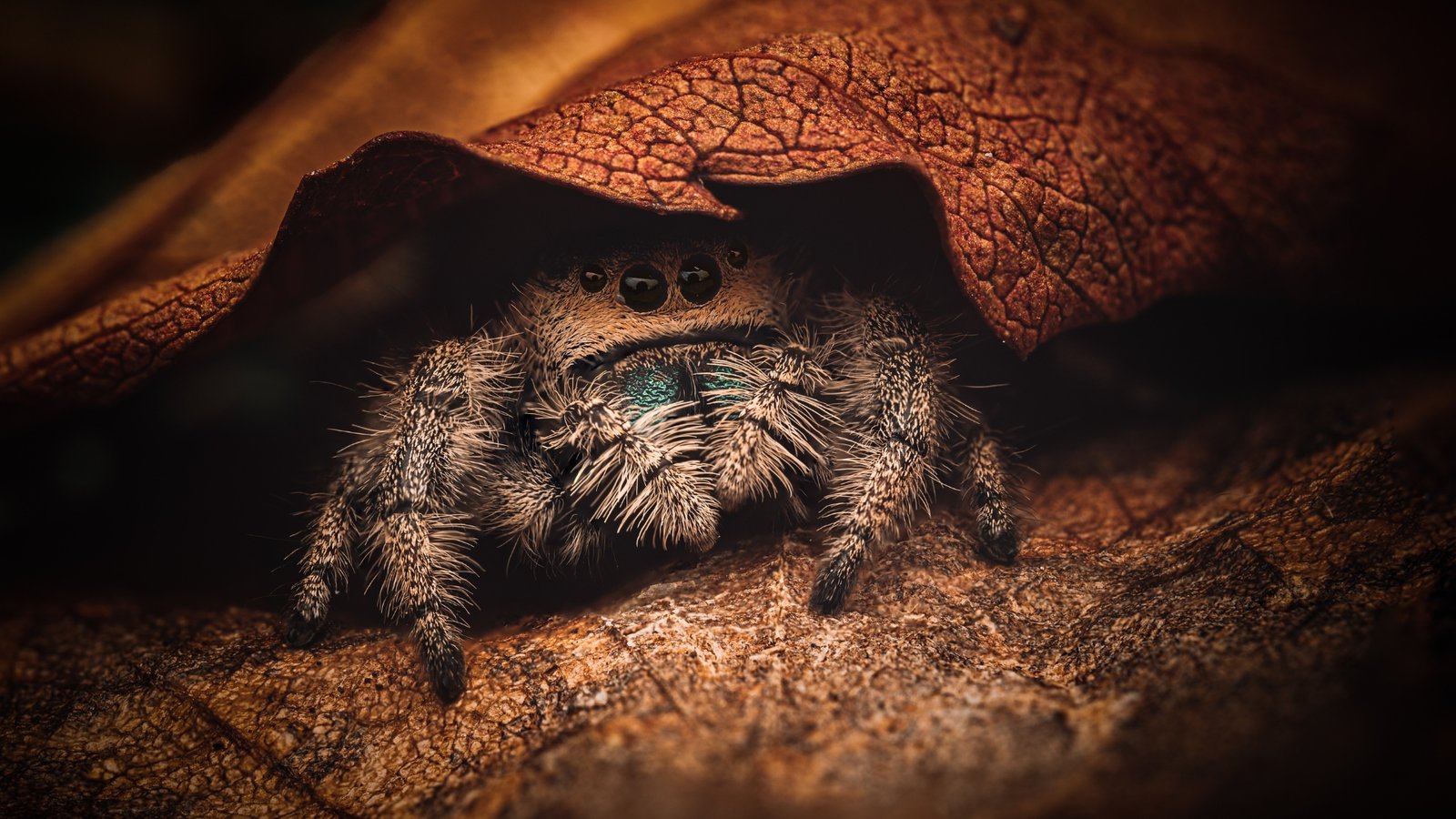
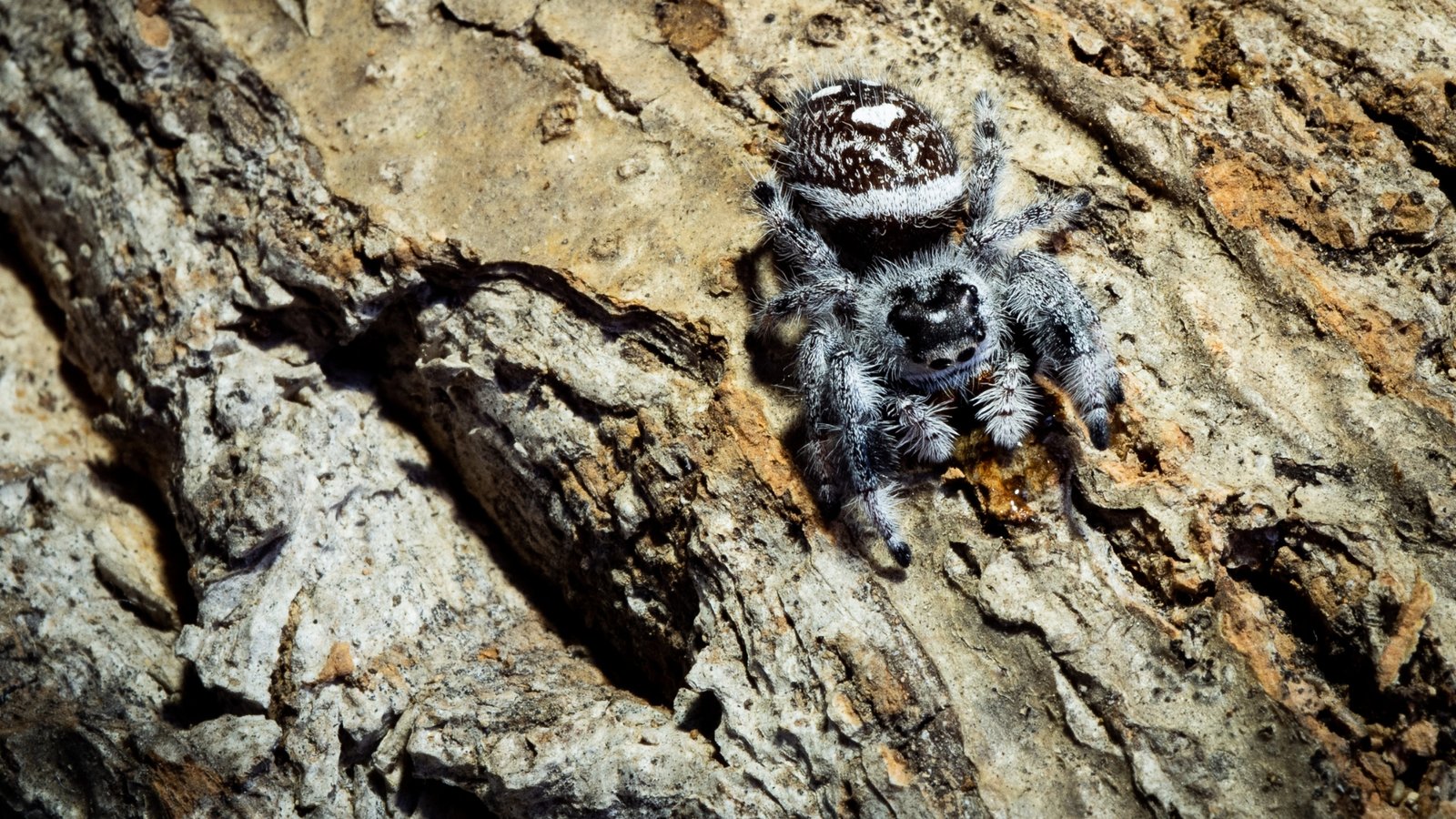
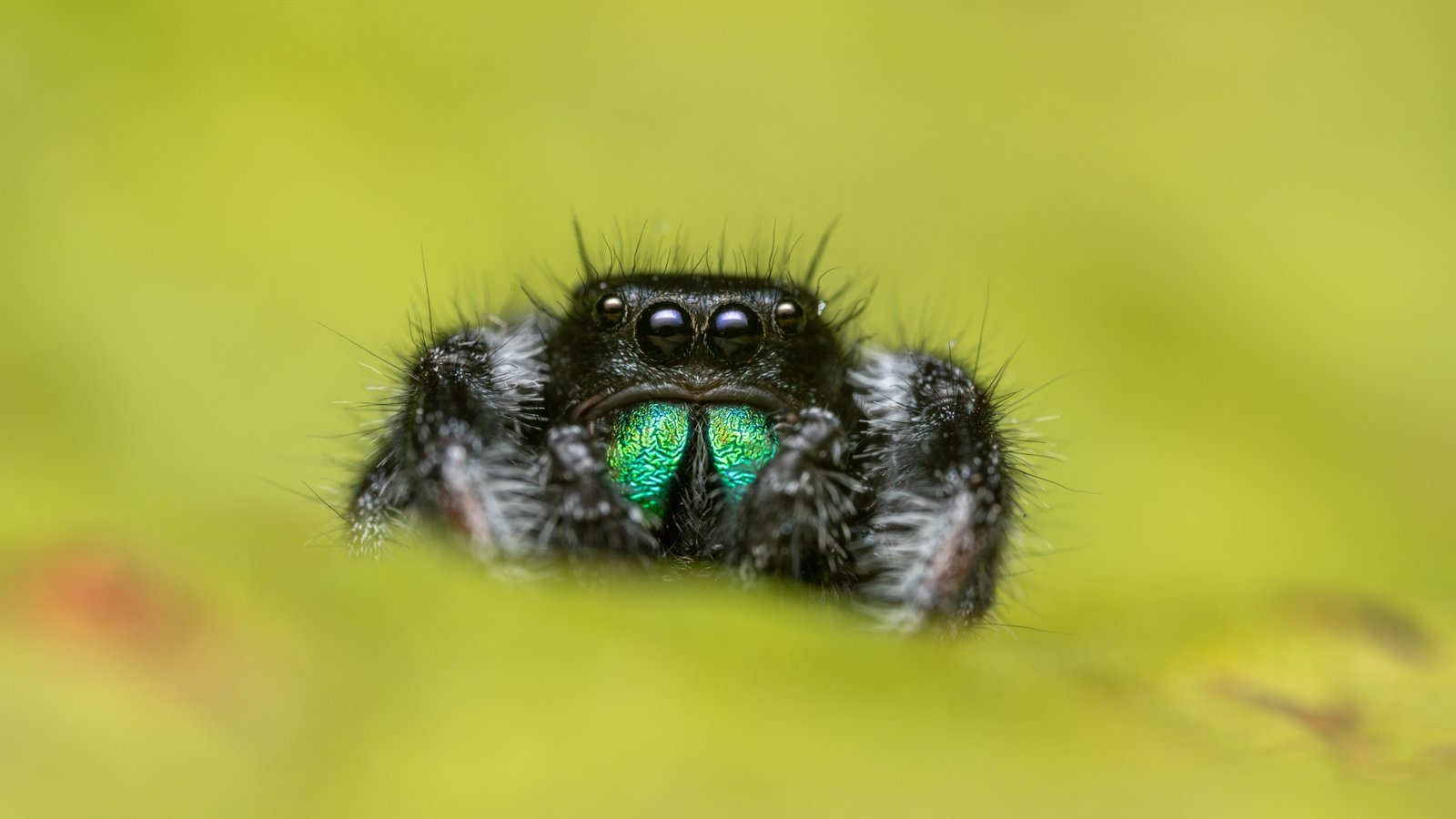
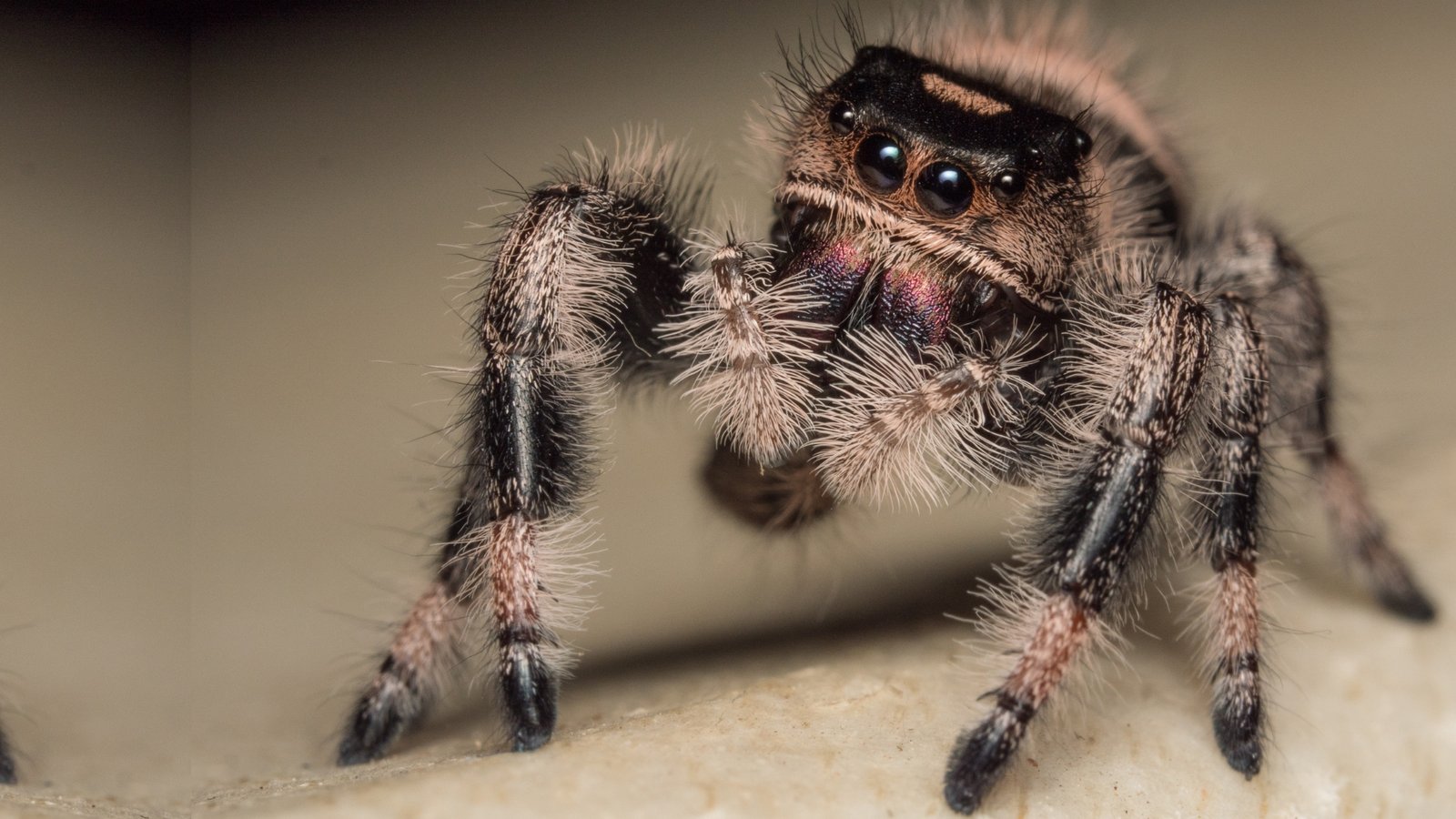
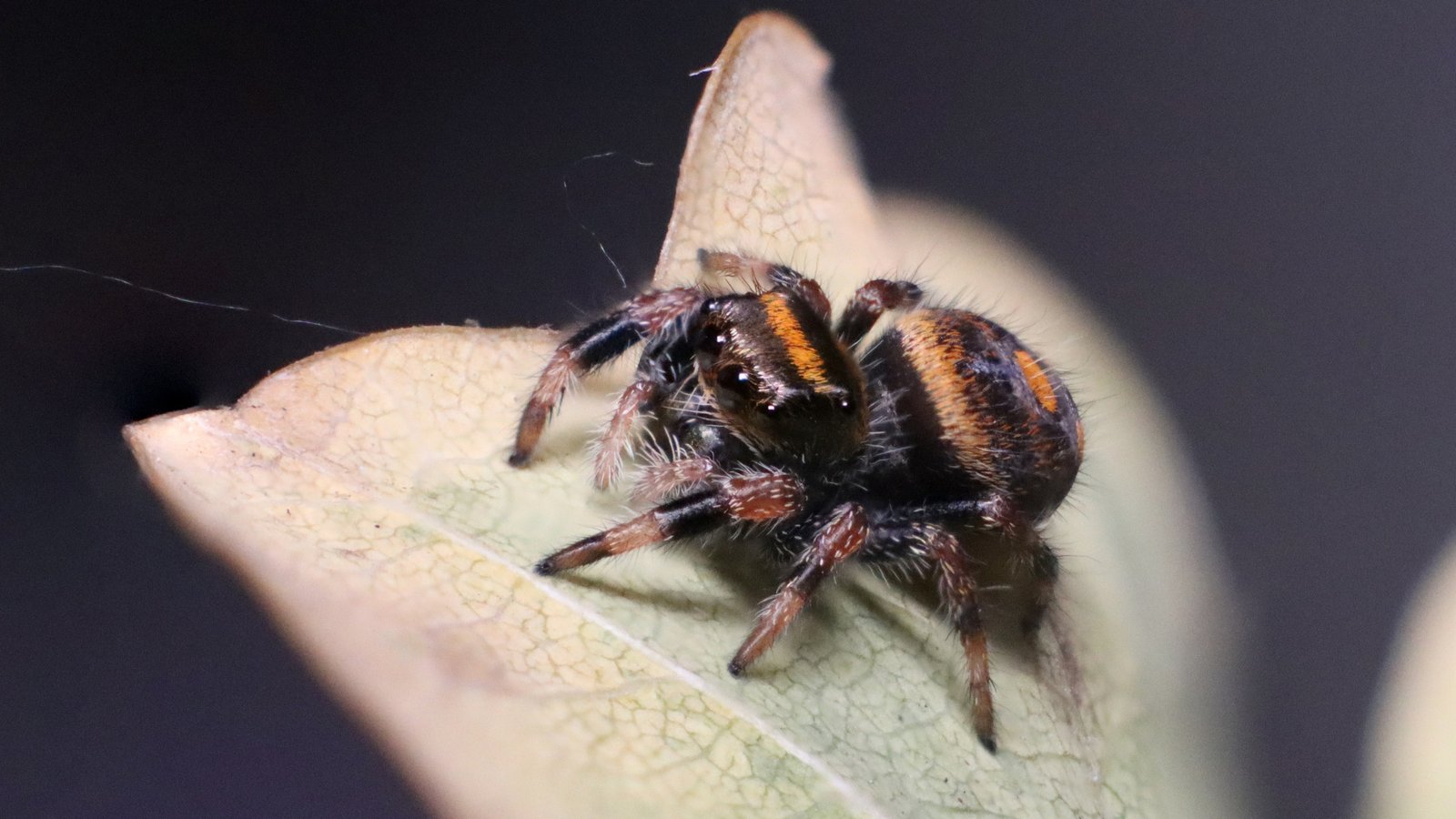
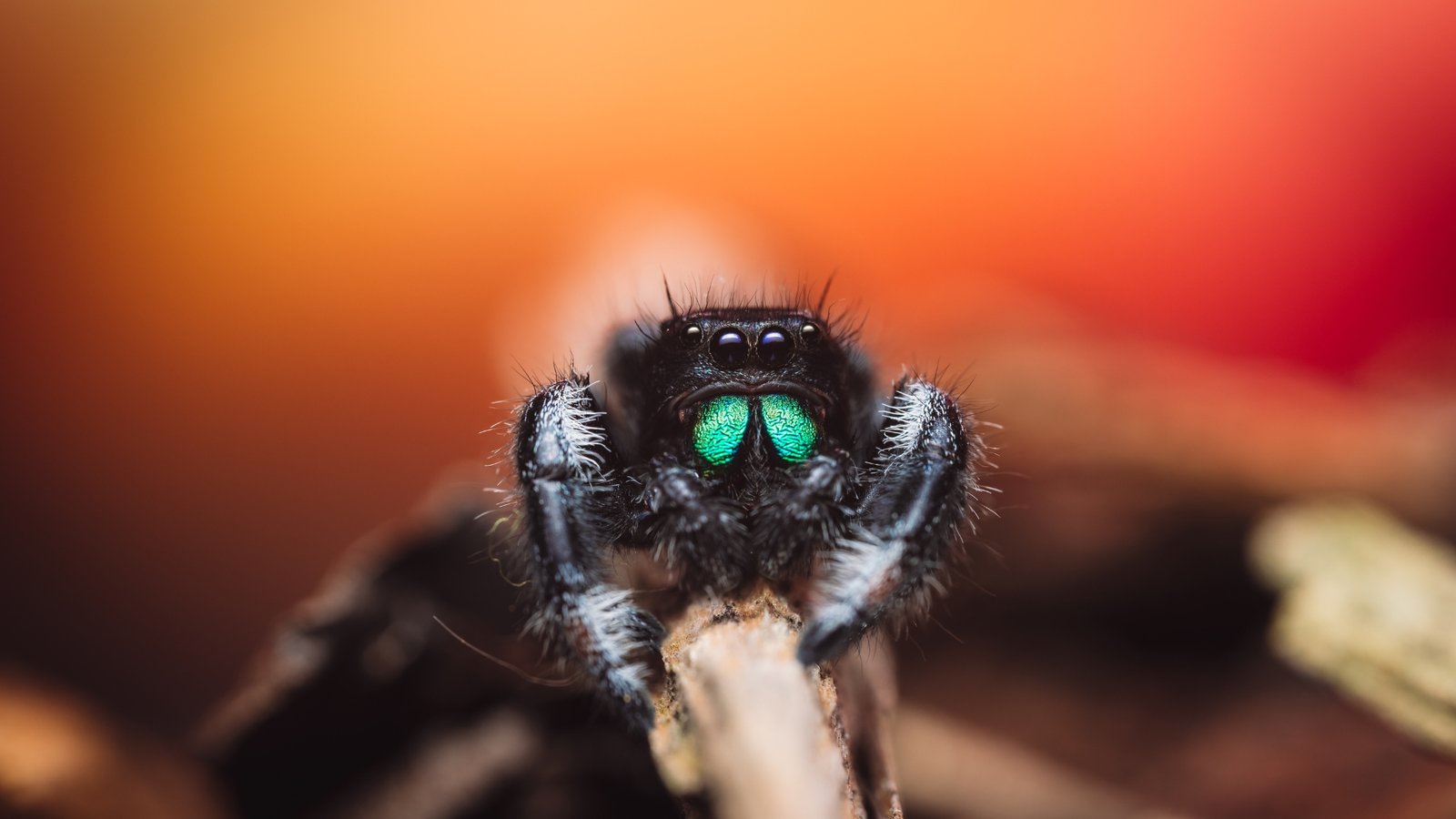
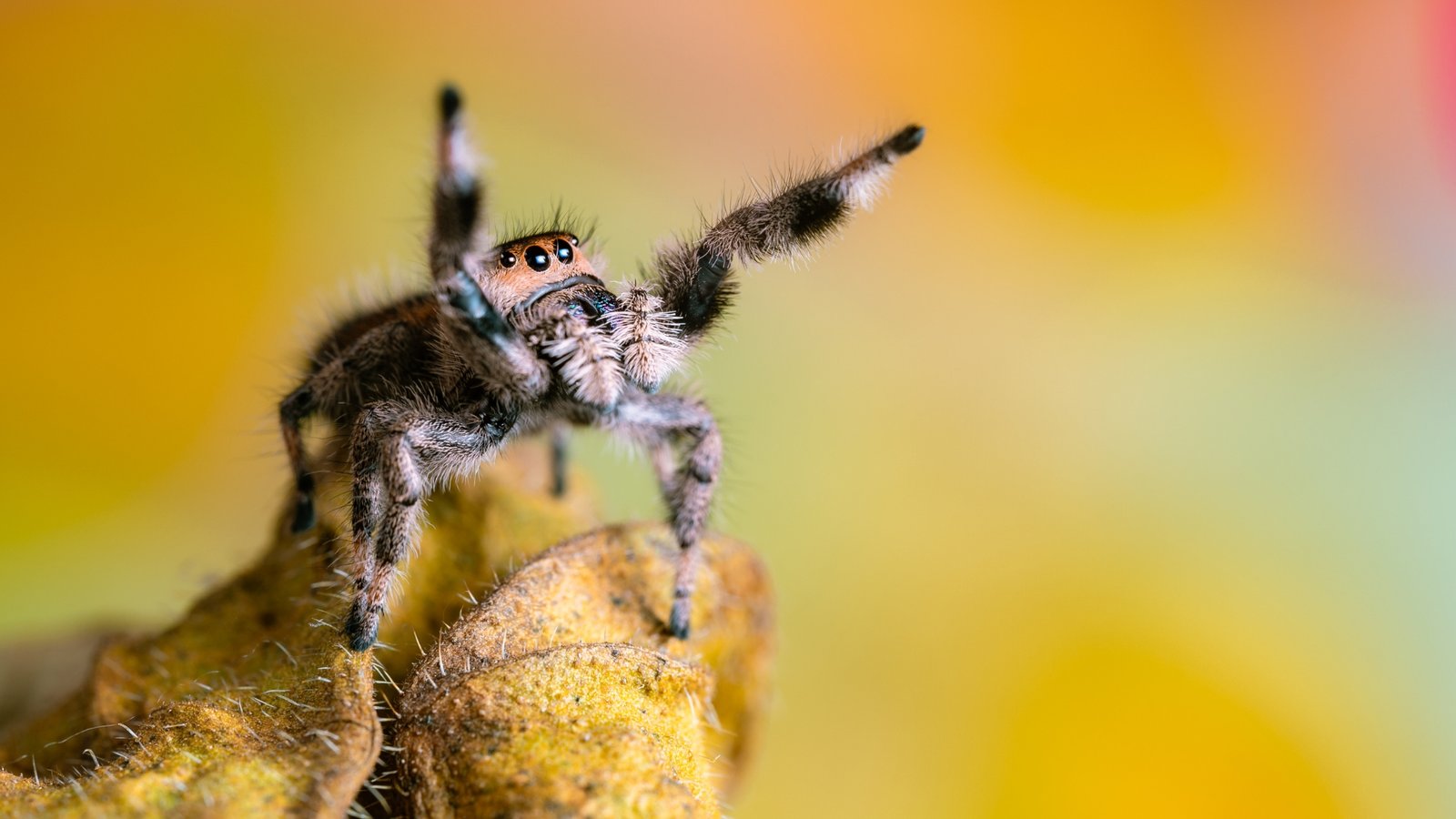
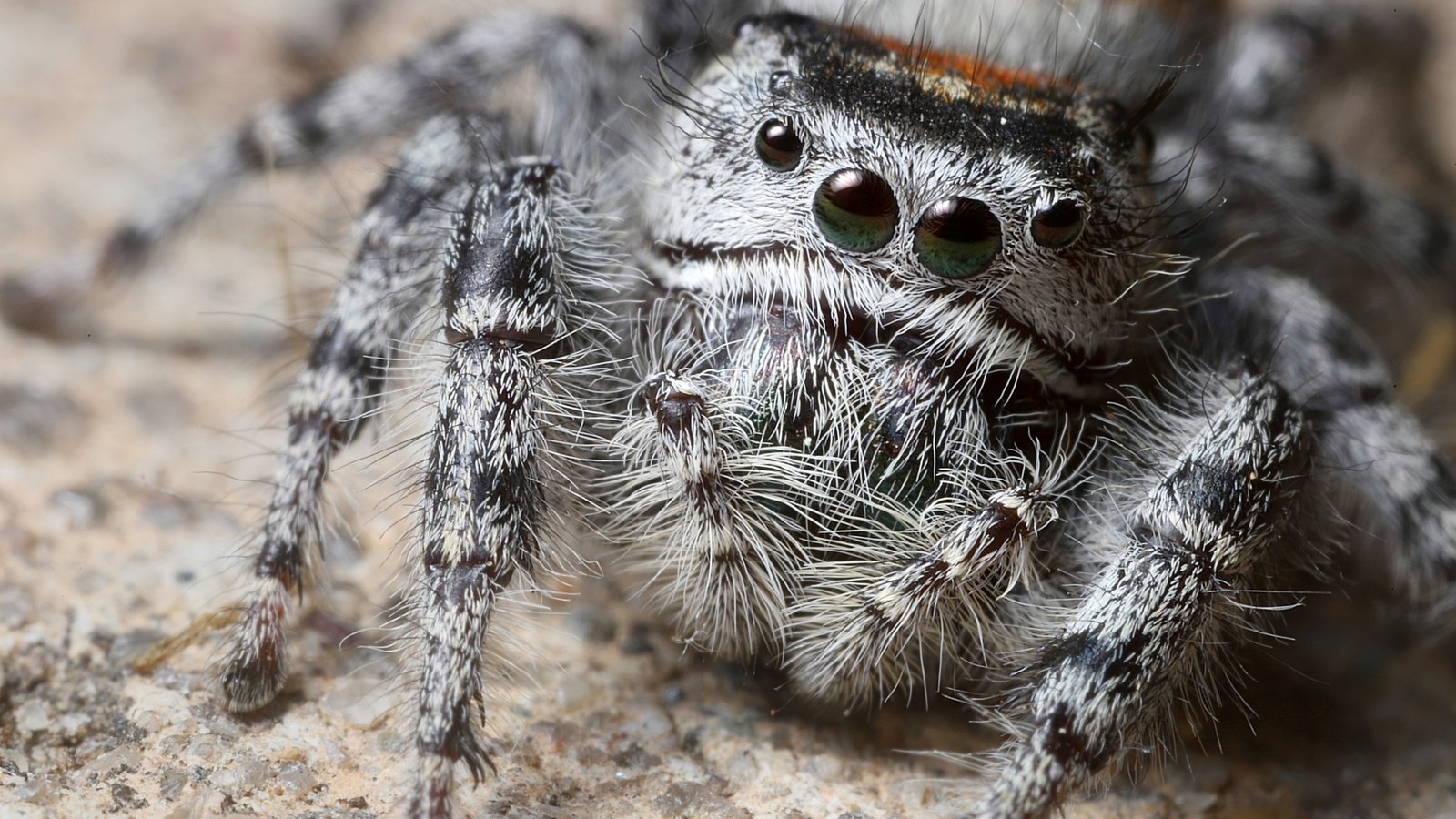
Electric eyes, confident curiosity, and acrobatic pounces—Phidippus jumpers are tiny extroverts with big personalities. From the iconic P. regius (Regal) to P. audax (Bold) and P. otiosus (Canopy), they flash metallic chelicerae, build neat silk hammocks, and quickly learn the “routes” across their perches. Expect engaging, daytime display animals that thrive at household temperatures with great airflow.
Why Keep This Genus
- Bold, diurnal display with endearing head-tilts and visual tracking
- Hardy at room temps; simple, well-ventilated arboreal setups
- Educational predators—clean, precise pounces; tidy hammock retreats
Keeper Profile
- Handling: minimal; gentle cup-transfers—brief, supervised hand walks optional
- Climate: ~72–80 °F (22–27 °C), 50–70% RH with strong cross-ventilation
- Habitat: vertical decor for perching; secure lid; allow dry-out cycles between light mists
Keeper’s Summary
House a single Phidippus in a well-ventilated, vertically oriented enclosure (e.g., 6×6×8″+; larger for display). Provide cork bark, twigs, and faux foliage for anchor points; a thin, cleanable substrate; and a snug retreat near the top for hammocking. Maintain room-temperature conditions with moderate humidity and excellent airflow; lightly mist 2–4×/week so droplets bead on leaves, allowing full dry-outs. Feed appropriate-size flies or small crickets 1–3×/week. Avoid direct handling when possible—guide with a catch cup and tools for stress-free care.
Species notes: Regal (P. regius) is typically bolder and larger; Bold (P. audax) shows crisp white spotting and is slightly smaller on average; Canopy (P. otiosus) often sports earthy bands. Care parameters below fit the group with minor size-based prey adjustments.
Find the jumper that fits your orbit.
Pick what matters to you most: visual style, personality, size, experience level, rarity, or even which sex tends to bring the look you want. Then we’ll build a flexible shortlist from the Phidippus species Myco-Emporium commonly works with.
Your top jumper has entered the spotlight.
Your #1 match gets the big reveal. Two close contenders sit beside it, followed by additional species that still fit your answers.
Still in the running
These may score a little lower, but they can become the better choice based on current stock, individual coloration, or the particular spider that catches your eye.
Compare male and female
🐾 Jumping Spiders — Phidippus spp.
- Common Name(s): Regal Jumping Spider, Bold Jumping Spider, Canopy Jumper
- Scientific Name: Phidippus spp.
- Native To: North America and the Caribbean — including the Southeastern USA (notably Florida), Bahamas, and Greater Antilles
- Adult Size: Females ~12–22 mm body length; males ~10–18 mm (legspan ~2.5–5 cm, species-dependent)
- Life Span: ~1–2 years typical (females often longer than males)
- Difficulty: Beginner–Intermediate (simple, but requires good ventilation and proper prey sizing)
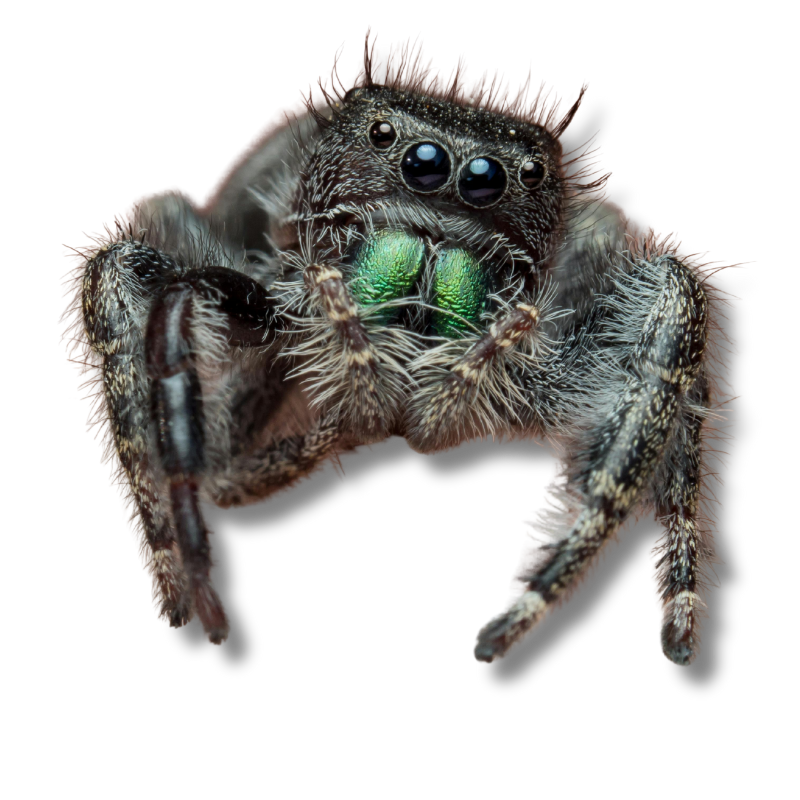
Meet the Phidippus Jumping Spiders
Explore the jumping spiders we commonly work with, compare males and females, and learn the visual clues that can help narrow an identification. Stock changes often, so think of this as a living field guide to the tiny eight-legged personalities you may meet at Myco-Emporium.
Compare jumping spiders

Characteristics & Temperament
Quick, observant, and surprisingly interactive, Phidippus jumpers are diurnal micro-predators that patrol, perch, and watch activity outside the enclosure. They make tidy silk hammocks for resting and molting and learn preferred routes between perches.
Appearance
- Coloration / Pattern: Species vary from bold black/gray with white banding (P. audax) to larger, often bolder patterning (P. regius), with metallic green-blue chelicerae typical across the genus.
- Build / Form: Compact, muscular cephalothorax; large anterior median eyes; strong legs adapted for pouncing and clinging.
- Light Response: Iridescent chelicerae pop in visible light; mild cuticle fluorescence under UV; reflective eye shine at angles.
Temperament
- Baseline: Bold and curious; routinely visible during the day.
- Response to Disturbance: Short repositioning bolts; prefers retreat to posturing.
- Feeding Style: Active hunters; take flies/crickets readily—best response in daytime to early evening.
Social Housing
Solitary. Do not cohouse—cannibalism risk remains high even in large enclosures.
Quick Traits
Keeper Notes
- Stress Signs: Persistent hiding outside molt, refusal to feed, frantic pacing, sagging hammock.
- Confidence Builders: Tight retreats near the top, cluttered vertical decor, predictable feeding schedule.
- Display Tips: Bright ambient room light; avoid harsh glare; use red/UV-safe night viewing if desired.
Species notes: Regal tends to be the largest and boldest on display; Bold is slightly smaller with crisp white spotting; Canopy often shows banded earthy tones. Individual personalities vary.
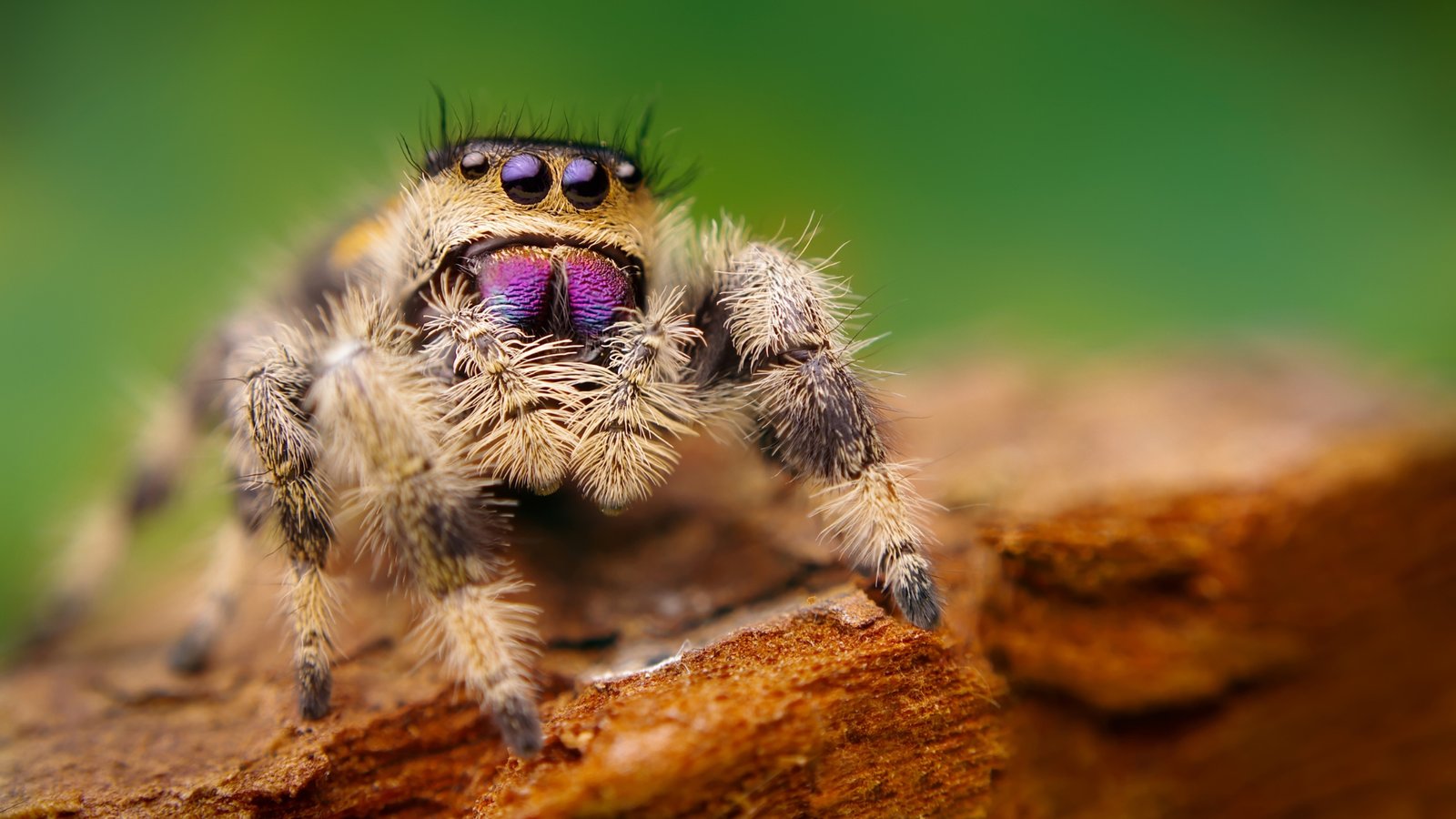
Care Requirements
Core setup and environmental targets to keep Phidippus species thriving.
Enclosure Setup
- Type: Arboreal display with strong cross-ventilation.
- Minimum Size: ~6″×6″×8″ (15×15×20 cm) for adults; larger (8×8×12″) enhances display and route-building.
- Safety: Tight-fitting lid/door; manage cables; no gaps a spider could squeeze through.
Furnishing
- Orientation: Vertical preferred.
- Lid: Secure mesh or locking front door with added venting.
- Hides: Cork slabs/tubes near the top for hammock building.
- Enrichment: Branches, twigs, faux leaves, and anchor points to traverse.
Substrate
- Blend: Thin layer of coco fiber or paper towel for easy cleaning.
- Depth: 0.5–1″ (1–2.5 cm) is sufficient; focus on vertical decor.
- Purpose: Clean footing, humidity buffering, and mold control with dry-out cycles.
Habitat
- Water: Light misting 2–4×/week so droplets form on leaves; allow full dry-outs.
- Décor: Cork, stems, and foliage for perching; avoid sticky adhesives inside.
- Behavior Fit: Climber / web-hammock builder preferring upper zones.
Environment Targets Set & Monitor
Lighting
Ambient room light is sufficient; no UVB required. Provide a 12L:12D photoperiod. Use red/UV-safe night viewing if desired.
Food & Water
- Juveniles: Flightless Drosophila or small blue bottle flies; pinhead to 1/8″ crickets, 2–3× weekly.
- Adults: Blue bottle/house flies, 1/4″ crickets, small dubia roaches, 1–2× weekly (prey ≤ body length).
- Hydration: Misting provides droplets; tiny water cap with mesh/cotton optional; refresh frequently.
- Timing: Daytime to early evening (when actively patrolling).
Cleaning
- Spot-Clean: Remove uneaten prey and mold after feedings; wipe viewing panels as needed.
- Deep Clean: Replace substrate and rinse décor every 4–8 weeks or after molts if hammocks are soiled (no chemicals).
Species notes: Adjust prey size to the individual—larger P. regius can take slightly bigger flies; smaller P. audax may prefer mid-sized flies more often.