When Caterpillars Turn to Goo: A Strange Discovery Beneath the Wood
An unsettling discovery from the natural world, explored by Myco-Emporium.
Nature doesn’t always deliver the graceful transformations we associate with butterflies and moths.
Sometimes, metamorphosis takes a very different turn.
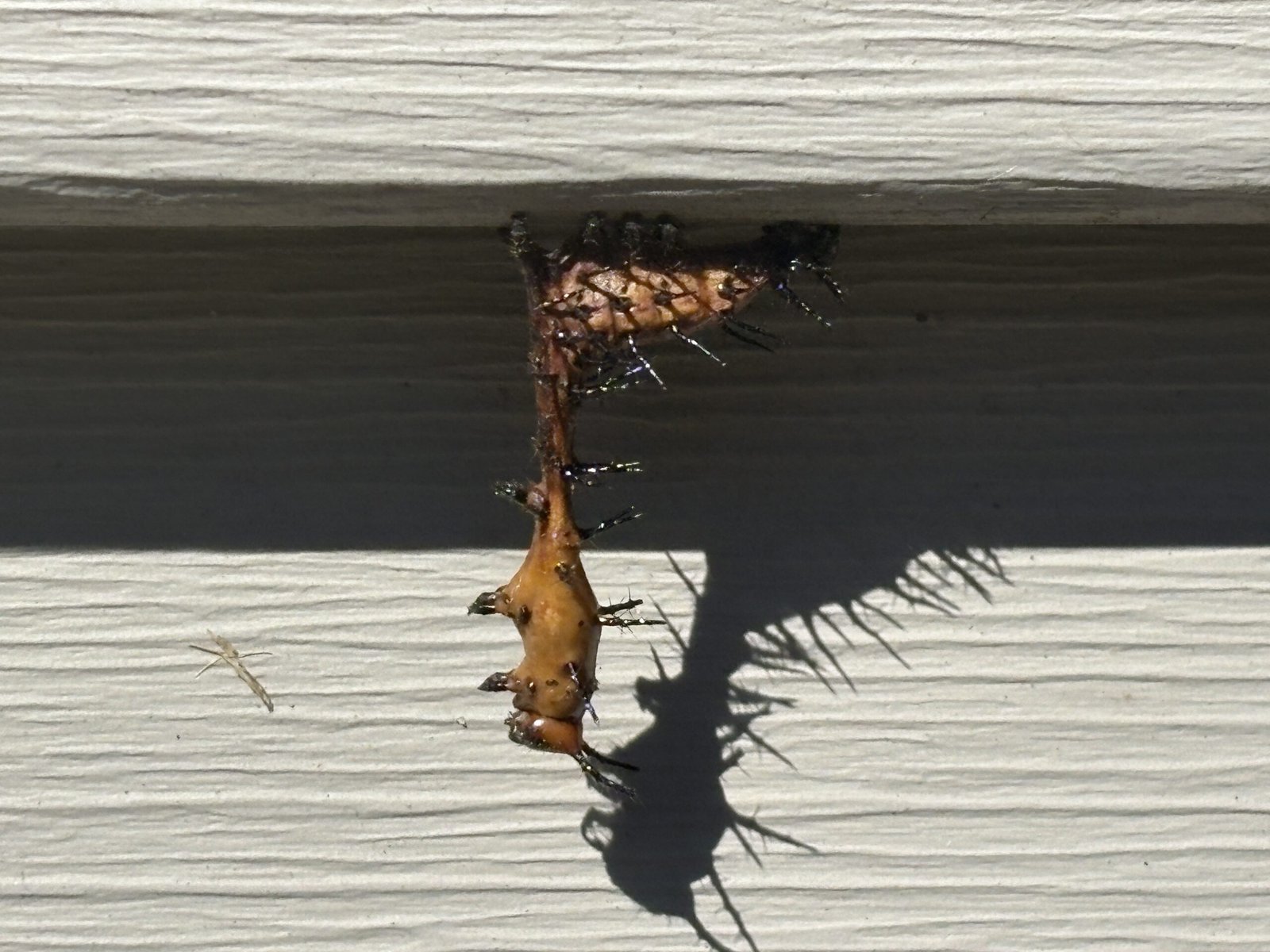
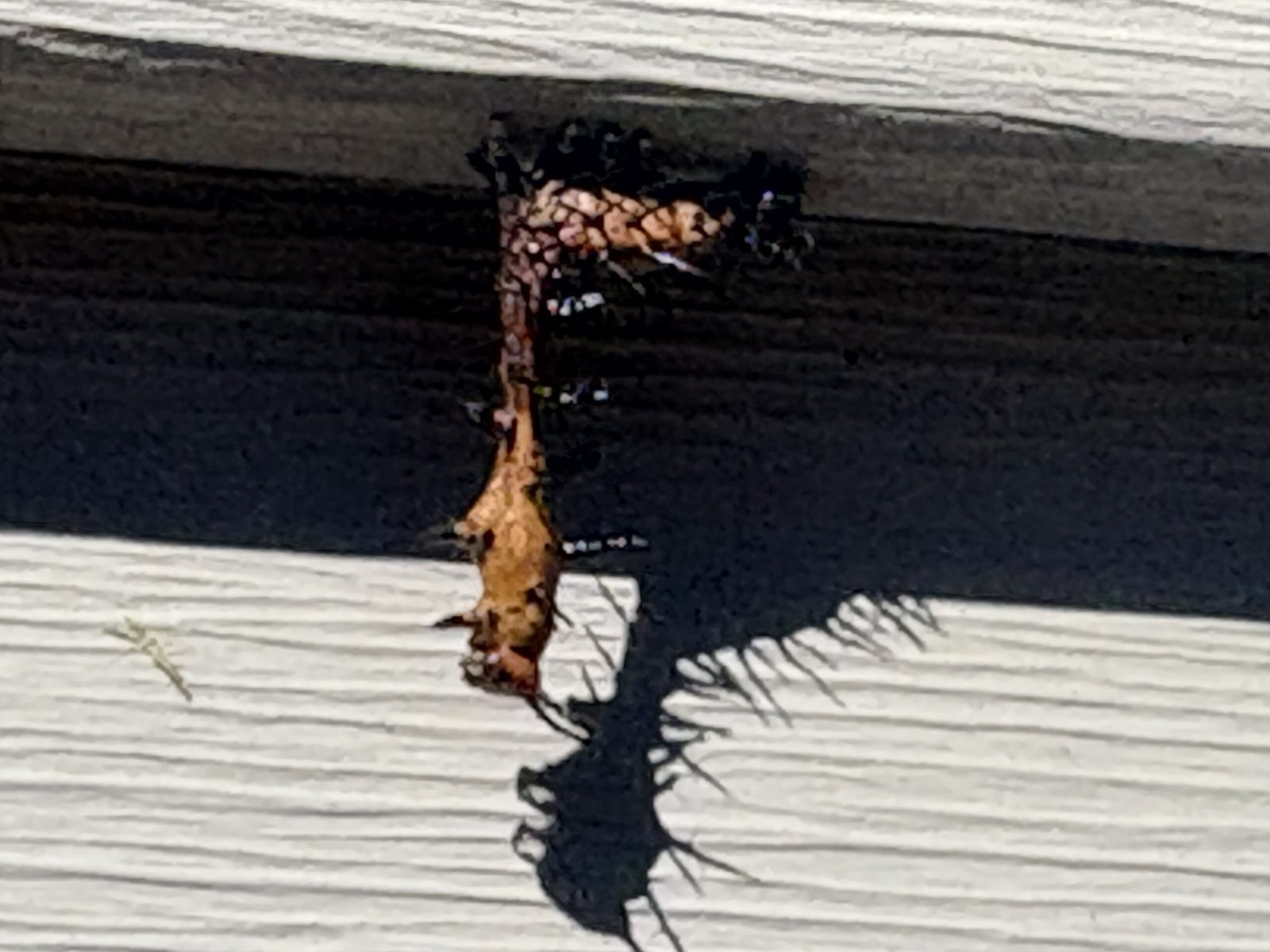
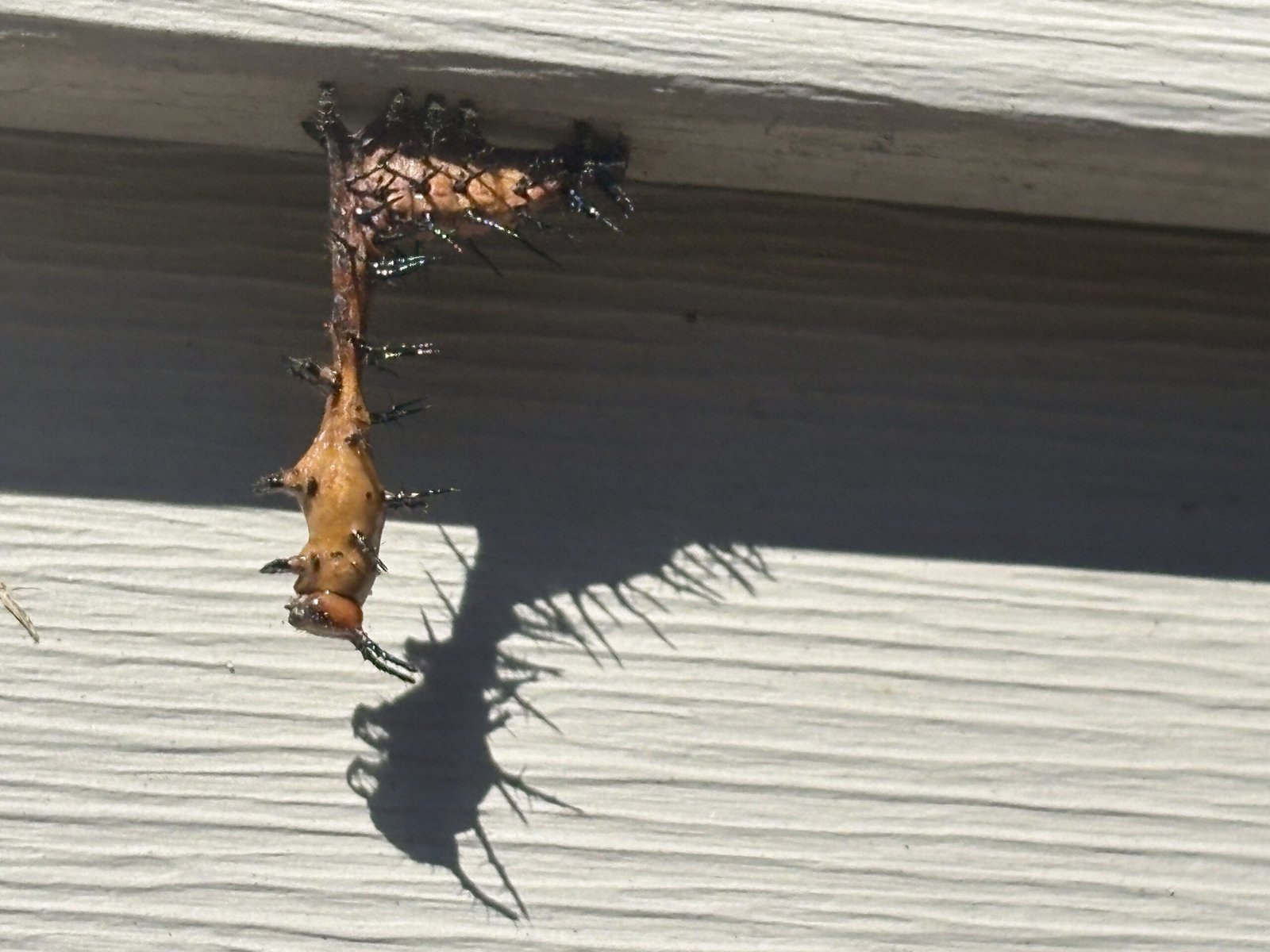
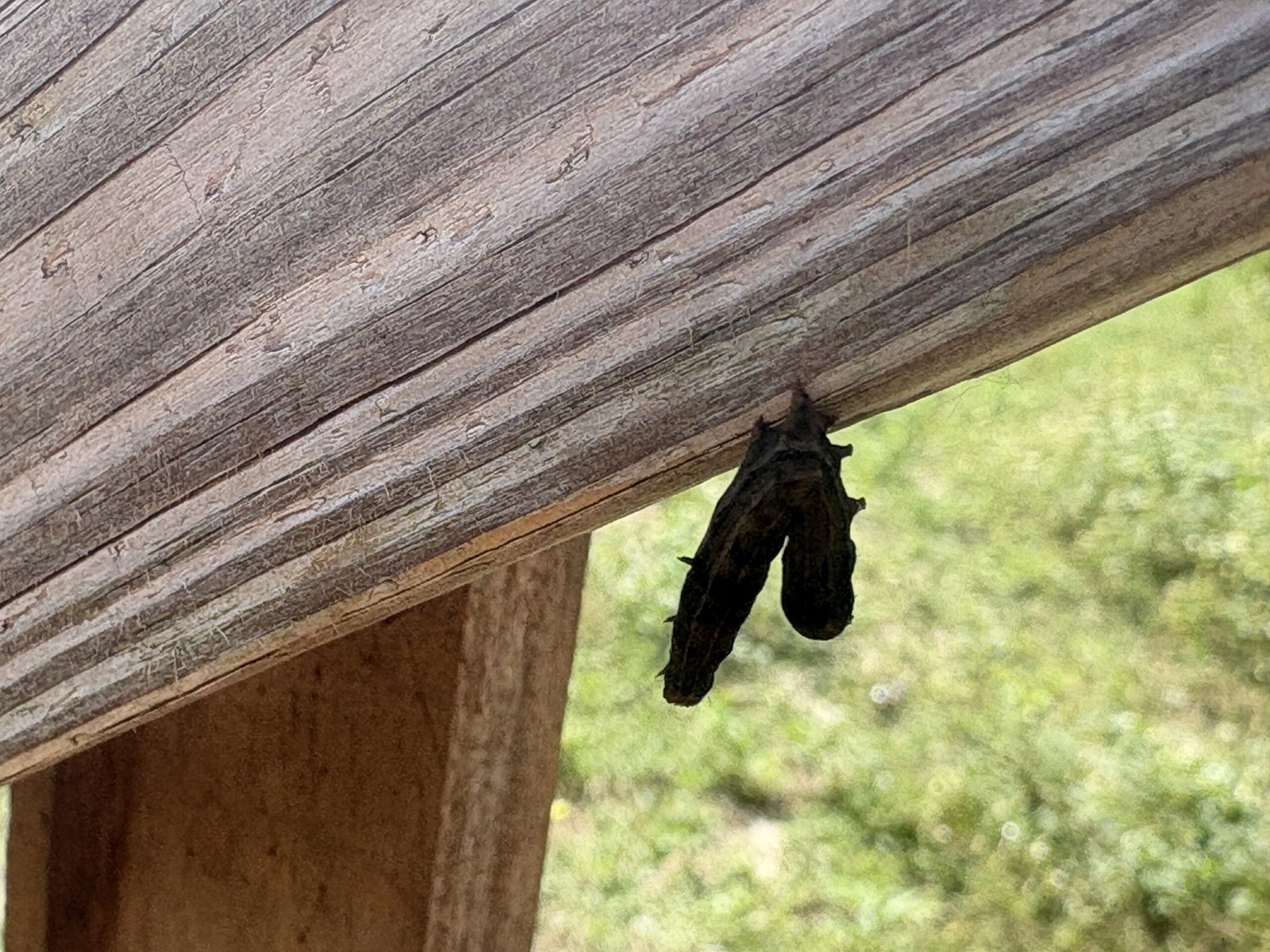
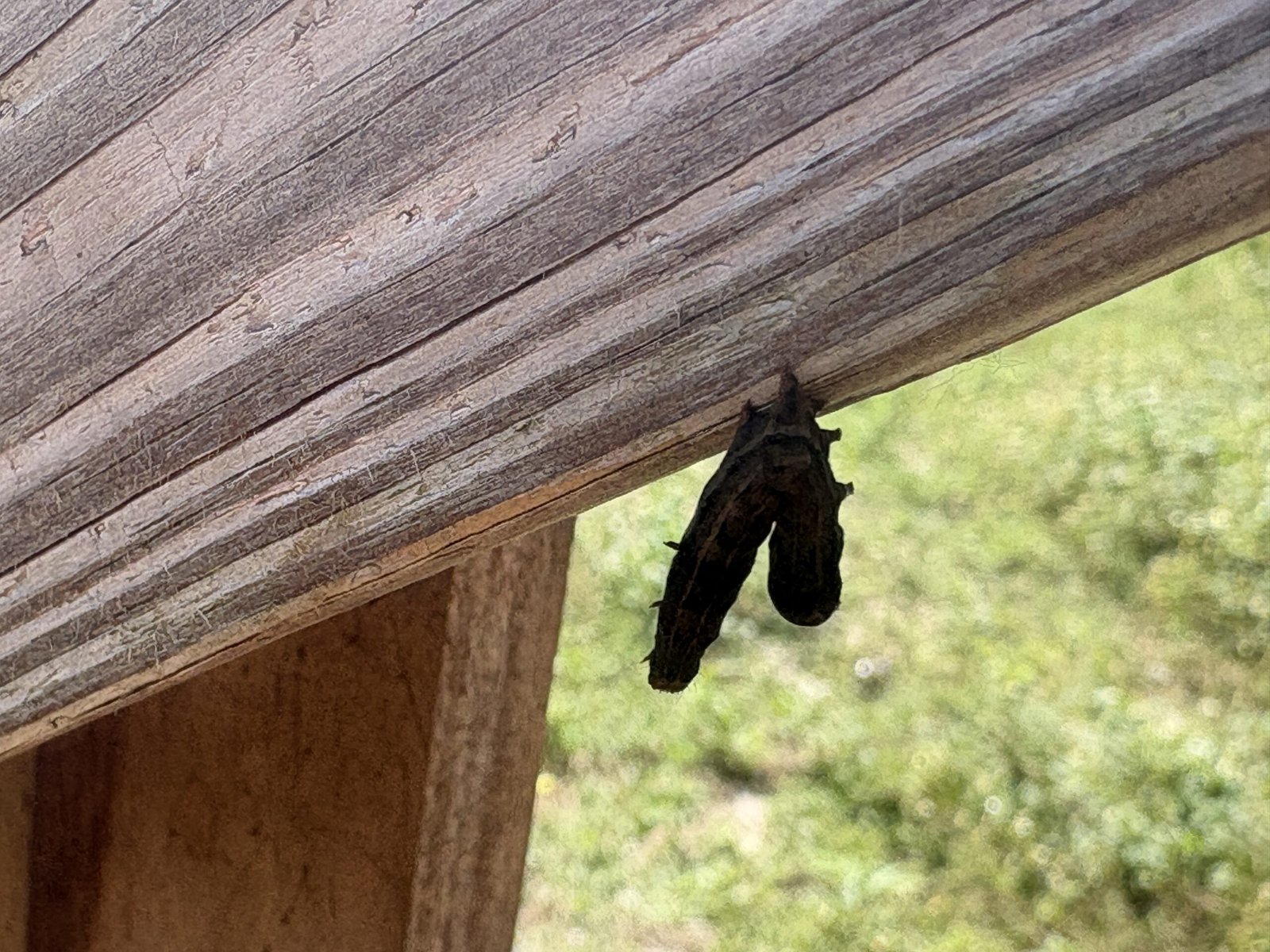
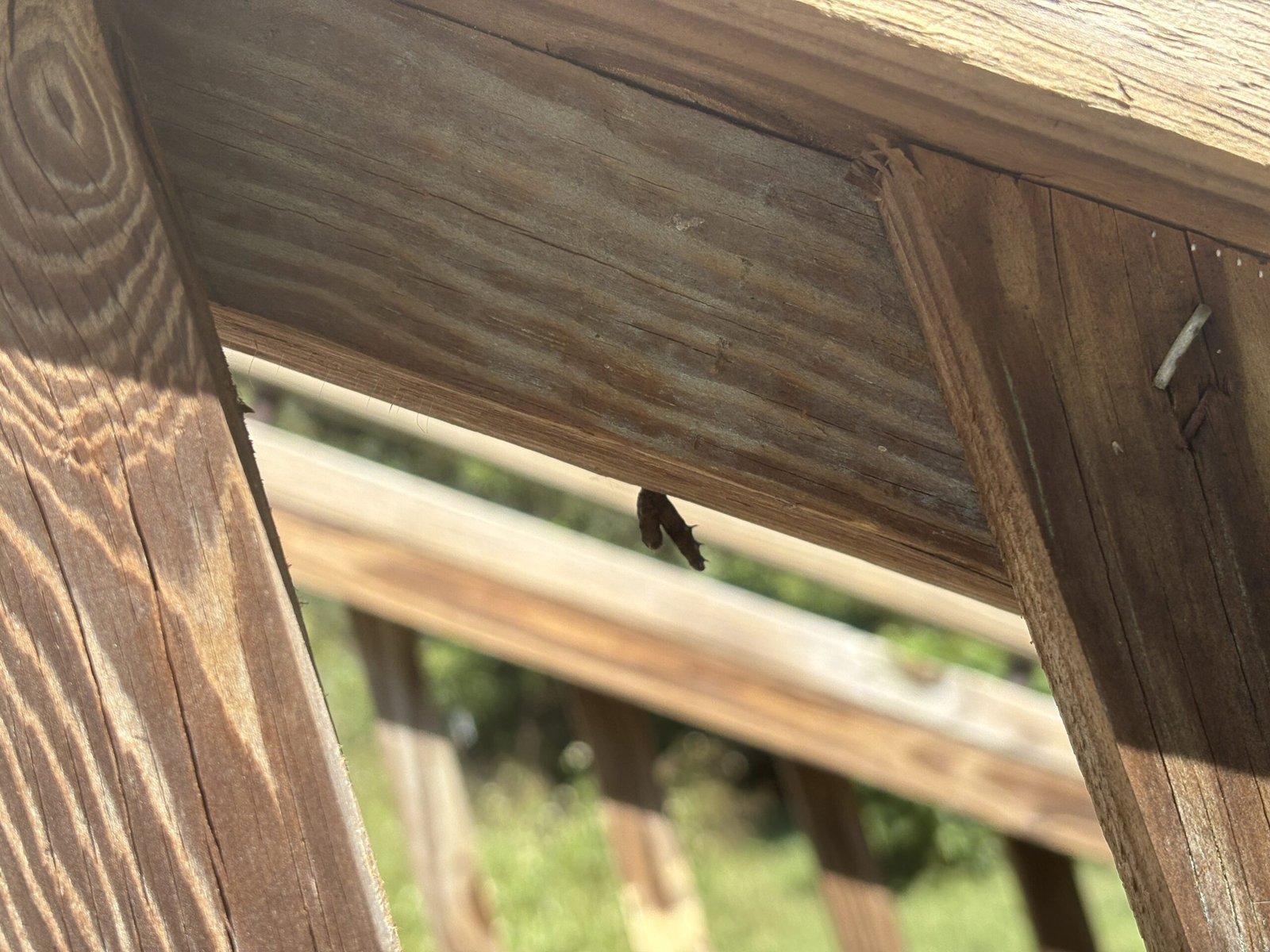
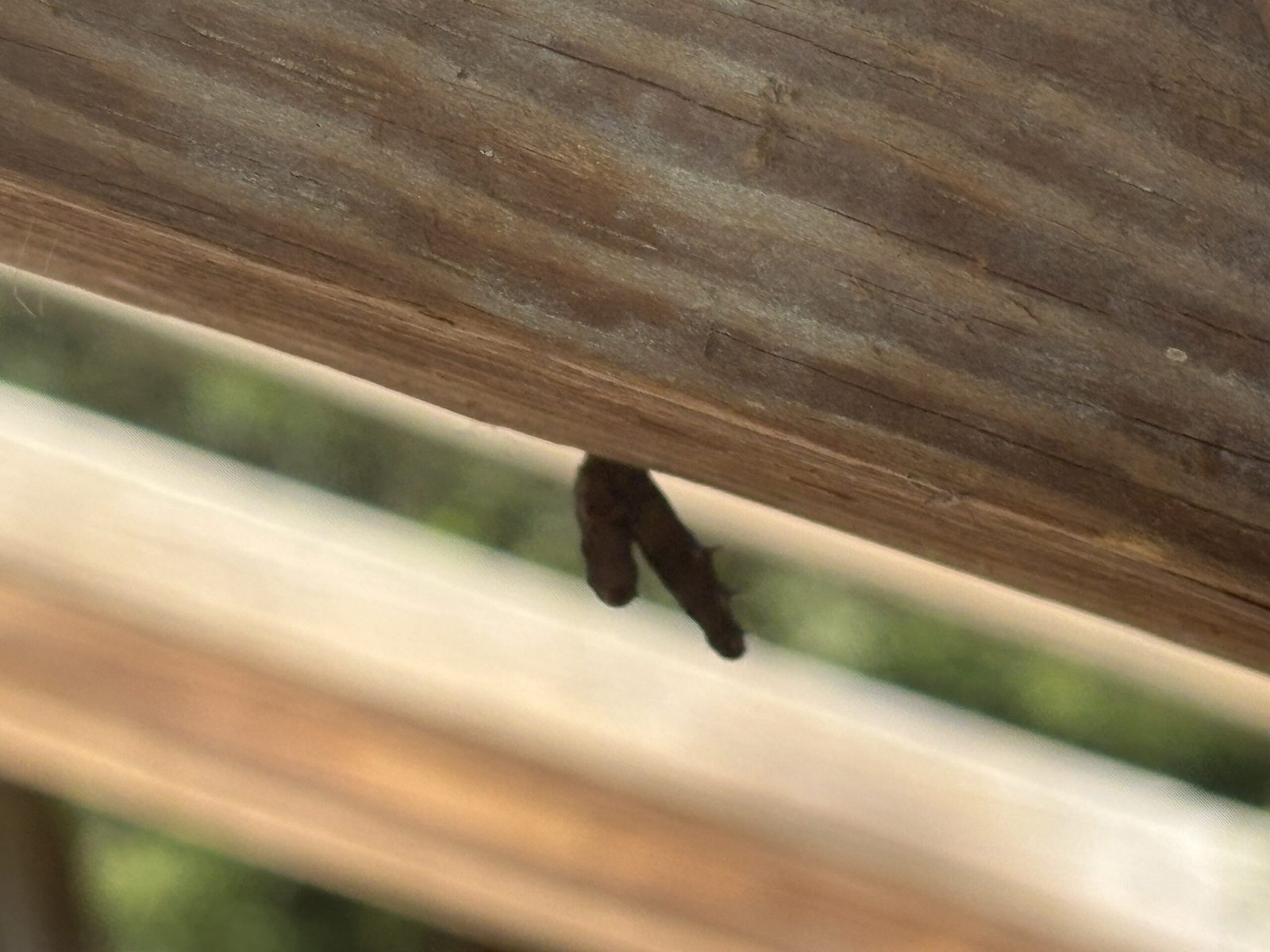
While examining the underside of a wooden structure, we encountered something strange: darkened, deteriorating caterpillar-like remains clinging to the wood. Their bodies appeared distorted, partially collapsed, and in places almost liquefied.
Instead of the familiar image of a caterpillar becoming a chrysalis and eventually emerging as a butterfly, these specimens appeared to have reached an abrupt and rather unpleasant ending.
Naturally, we wanted to know what happened.
Could a Virus Be Responsible?
One intriguing possibility involves a group of insect-infecting viruses known as baculoviruses.
Some of these viruses cause a condition commonly called caterpillar wilt or tree-top disease.
In affected caterpillars, the infection can cause dramatic physical changes. The larvae may stop feeding, become limp, darken, and eventually break down into liquefied remains.
Even stranger, certain baculoviruses can alter caterpillar behavior before death, causing infected larvae to climb to elevated locations. The breakdown of their bodies can then release infectious particles onto vegetation below.
It’s one of nature’s more unsettling examples of the relationship between a pathogen and its host.
But There’s Another Possibility
Not every caterpillar that deteriorates or fails to complete metamorphosis has a viral infection.
Bacteria, fungi, parasitic insects, environmental conditions, and physical injuries can also contribute to caterpillar mortality.
Some parasitic insects develop inside caterpillars, while particular microbial infections can cause their hosts to darken, soften, or decompose.
Without identifying the caterpillar species and examining the remains scientifically, we cannot establish the exact cause.
What we can say is that these photographs document an unusual outcome in the life of an insect, one that raises fascinating questions about the biological processes taking place around us.
A Different Side of Metamorphosis
We often celebrate the butterfly as a symbol of transformation, but the natural world is much more complicated.
Not every caterpillar survives to become a butterfly or moth. Disease, predation, environmental pressures, and parasites are all part of the ecological relationships that influence insect populations.
Even specimens that never complete their transformation have something to teach us.
These unusual remains remind us that the natural world contains remarkable biological stories, including those that are rarely photographed or discussed.
Have you encountered something similar beneath a deck, on a tree, or around your garden?
We’d love to hear what you’ve observed.
Explore more discoveries with Myco-Emporium, where the weird gets wonderful.
Specimen observation: The exact species and cause of deterioration have not been confirmed. The possible biological explanations discussed here are educational hypotheses rather than a diagnosis.