Beneath Every Thriving World,
They Are Already Working
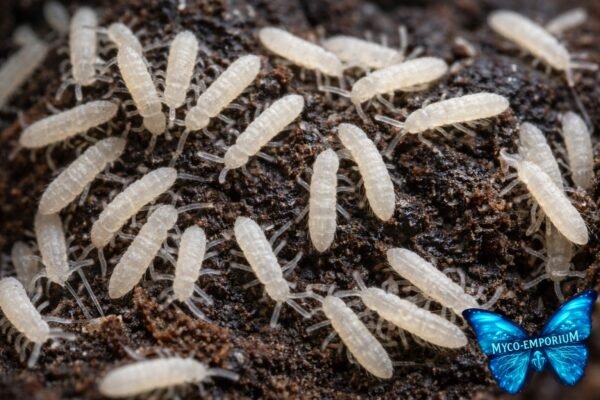
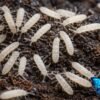
Before roots take hold, before mushrooms bloom, before moss carpets stone, there exists a microscopic civilization quietly engineering balance. They do not roar. They do not glow. They clean, regulate, and keep ecosystems alive.
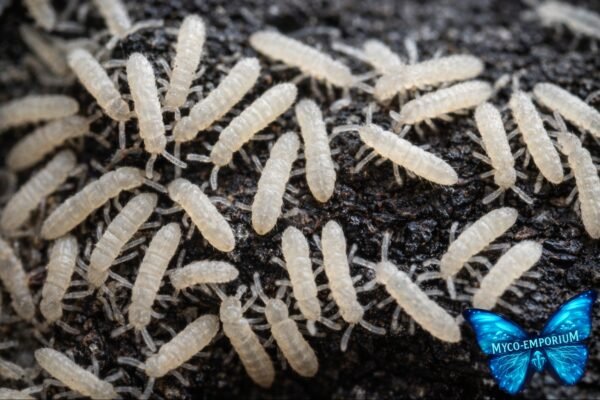
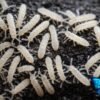
In forests, springtails patrol the unseen frontier, grazing on fungal films, recycling decay, and preventing any single organism from overrunning the system. They are not pests. They are regulators.
Most cultures reduce them to an afterthought. A scoop of charcoal. A sparse population. A waiting game. Myco-Emporium chose a different path.
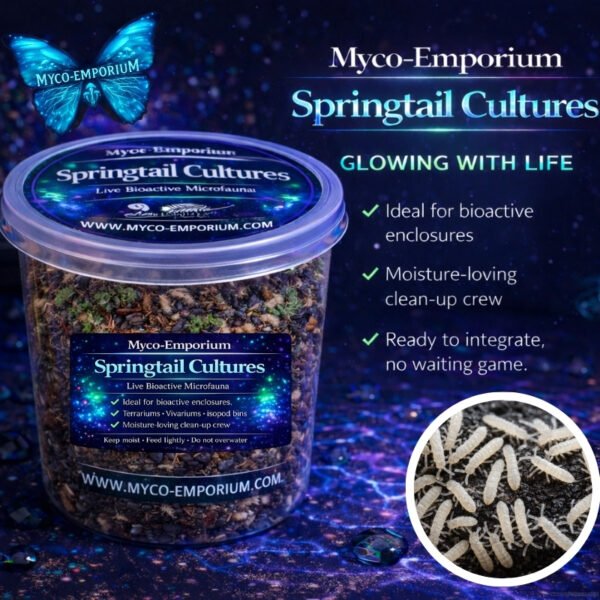
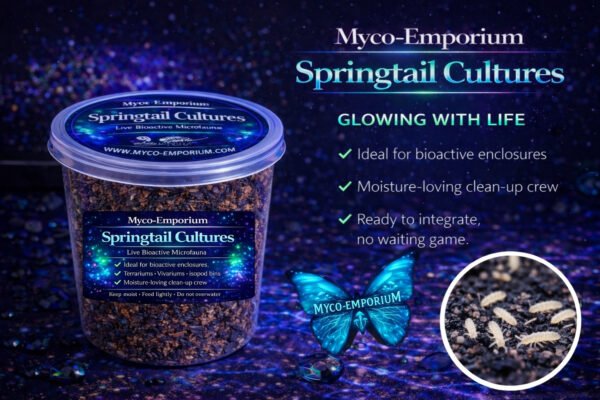
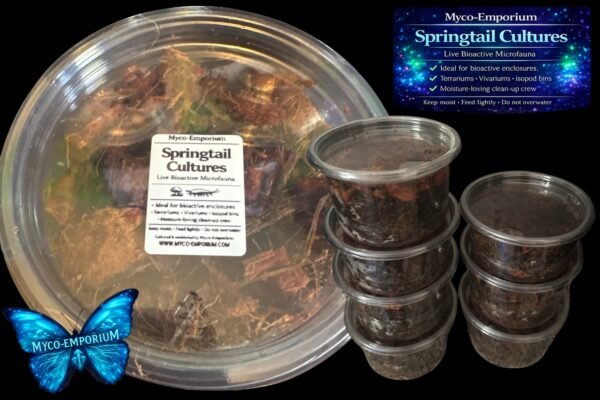
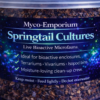
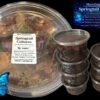
Your springtail culture was built as a living soil analog — layered substrates, pasteurized foundations, moisture gradients, and time allowed for real colonies to establish.
This is not a starter. This is not a gamble. This is a functioning micro-ecosystem, already in motion the moment it arrives in your hands.
Treat them well, and they will quietly serve every system you introduce them to, keeping mold in check, processing waste, and restoring balance where chaos tries to form.
Springtail Culture Care Guide
Your culture is a fully established, layered micro-ecosystem built for long-term stability, not a boring charcoal-only setup. Follow this guide to keep your colony thriving, expand it safely, and seed bioactive habitats with confidence.
What you have
- Established colony: active, reproducing, ready-to-work springtails.
- Layered substrate habitat: micro-zones that stabilize moisture and activity.
- Pasteurized base: substrates boiled for 45 minutes to reduce hitchhikers and contaminants.
- Bioactive-ready: designed to integrate into terrariums, vivariums, and culture bins.
Core Care keep it thriving
Moisture and humidity control
- Perfect: substrate looks dark and hydrated, container walls may show light condensation.
- Too dry: reduced movement, colony seems “invisible”, substrate looks pale and dusty.
- Too wet: puddles, sour smell, slime, sudden die-off, fungus gnat pressure.
Ventilation and airflow
- If your container is tightly sealed, “burp” it briefly 1–3x per week.
- If you notice persistent condensation dripping, increase airflow slightly.
- A clean, earthy smell is good. A sour smell means reduce moisture and increase airflow.
Temperature placement
- Avoid direct sunlight, hot windowsills, car interiors, heaters, and heat mats.
- Short cool dips are usually survivable, but prolonged cold slows reproduction.
- High heat can wipe a colony fast. If the container feels warm to the touch, relocate it.
Feeding Protocol tiny offerings
What to feed
- Nutritional yeast (top-tier option)
- Rice grain (one single grain can feed a lot)
- Fish flakes (crumb only, very sparingly)
- Powdered springtail food if you use commercial blends
- Tiny veggie scrap (micro-piece only, remove if it gets slimy)
How often to feed
- Light colony: every 7–10 days
- Established colony: every 5–7 days
- Heavy booming colony: every 3–5 days (only if food disappears cleanly)
Overfeeding signs and fixes
- Signs: sour smell, slime, heavy fuzzy mold mats, sudden population decline.
- Fix: remove excess food, slightly reduce moisture, add mild airflow.
- Recovery: feed nothing for 7–14 days, then resume with tiny amounts.
Harvesting and Seeding deploy the crew
Choose your target zone
Pick a damp corner of your terrarium, vivarium, isopod bin, or soil culture. Moist micro-areas help springtails establish instantly.
Scoop or tap a small portion
Using a clean spoon or utensil, move a small amount of substrate containing springtails into the target habitat. Start small, they reproduce fast.
Add a micro-food offering
Optionally add a microscopic amount of food near the seeded area. This encourages the colony to anchor and begin spreading without overwhelming the new environment.
Let them disappear
Springtails work best when left undisturbed. Within days, they will vanish into the substrate and quietly begin regulating micro-life.
Expansion & Splitting multiply safely
When to split a culture
- High surface activity when disturbed
- Visible movement along container walls
- No foul odors or slime buildup
How to create a new culture
- Never strip a parent culture completely
- Include both moist and semi-dry material
- Feed lightly after 48 hours
Troubleshooting read the signs
Culture crash symptoms
- Sharp sour or sulfur smell
- Sticky slime or anaerobic sheen
- Mass die-off with no visible movement
Emergency recovery protocol
- Stop feeding immediately
- Increase airflow slightly
- Remove visibly rotting material
- Allow partial drying for 24–48 hours
The Hidden Role why they matter
In natural ecosystems, springtails form one of the first regulatory layers beneath plant and fungal life. They do not compete for dominance. They prevent imbalance.
By grazing on microfungi and organic films, they suppress runaway mold, recycle nutrients, and keep decomposition moving forward instead of stagnating.