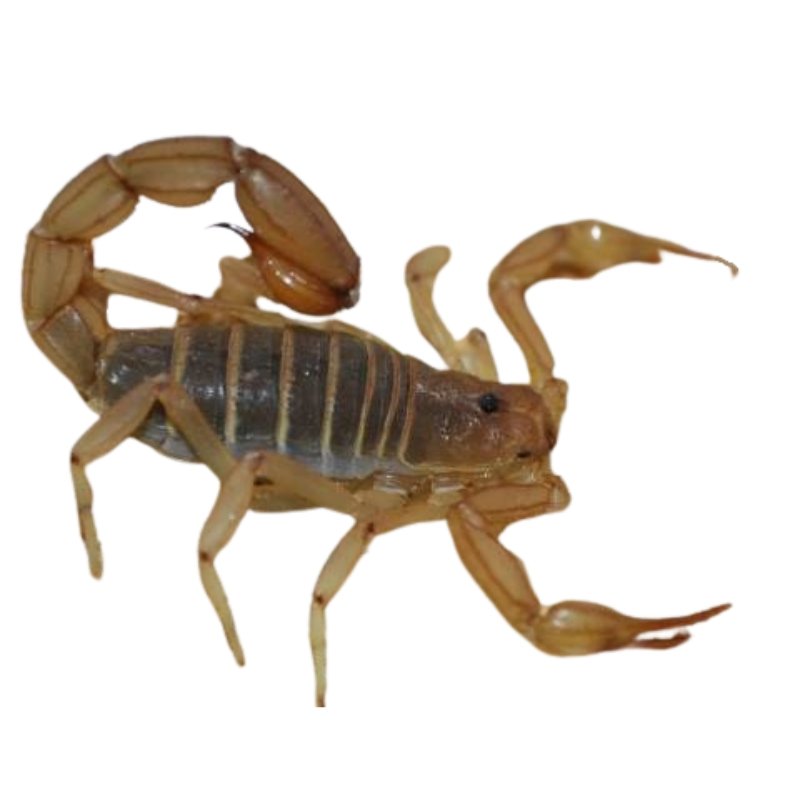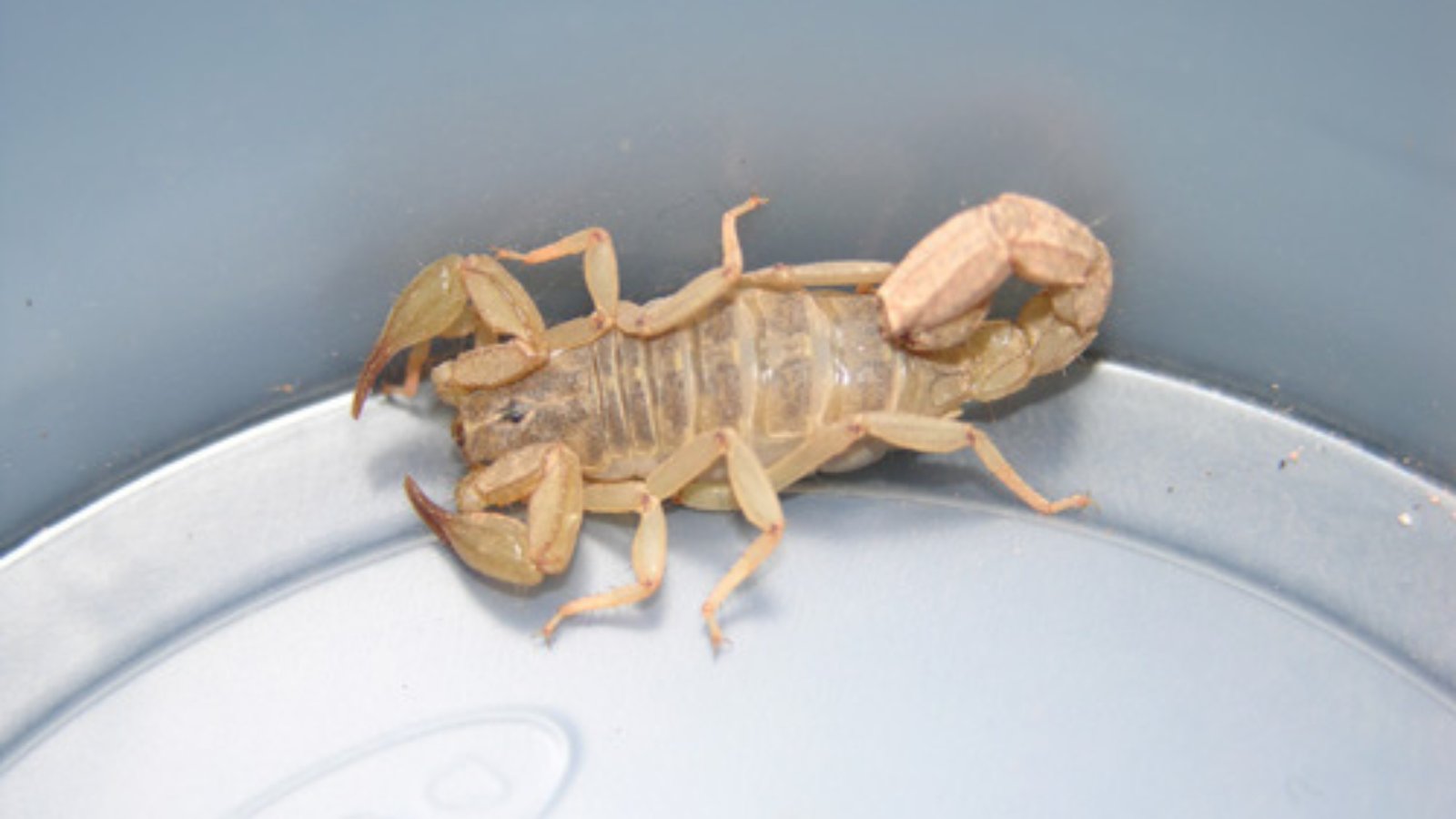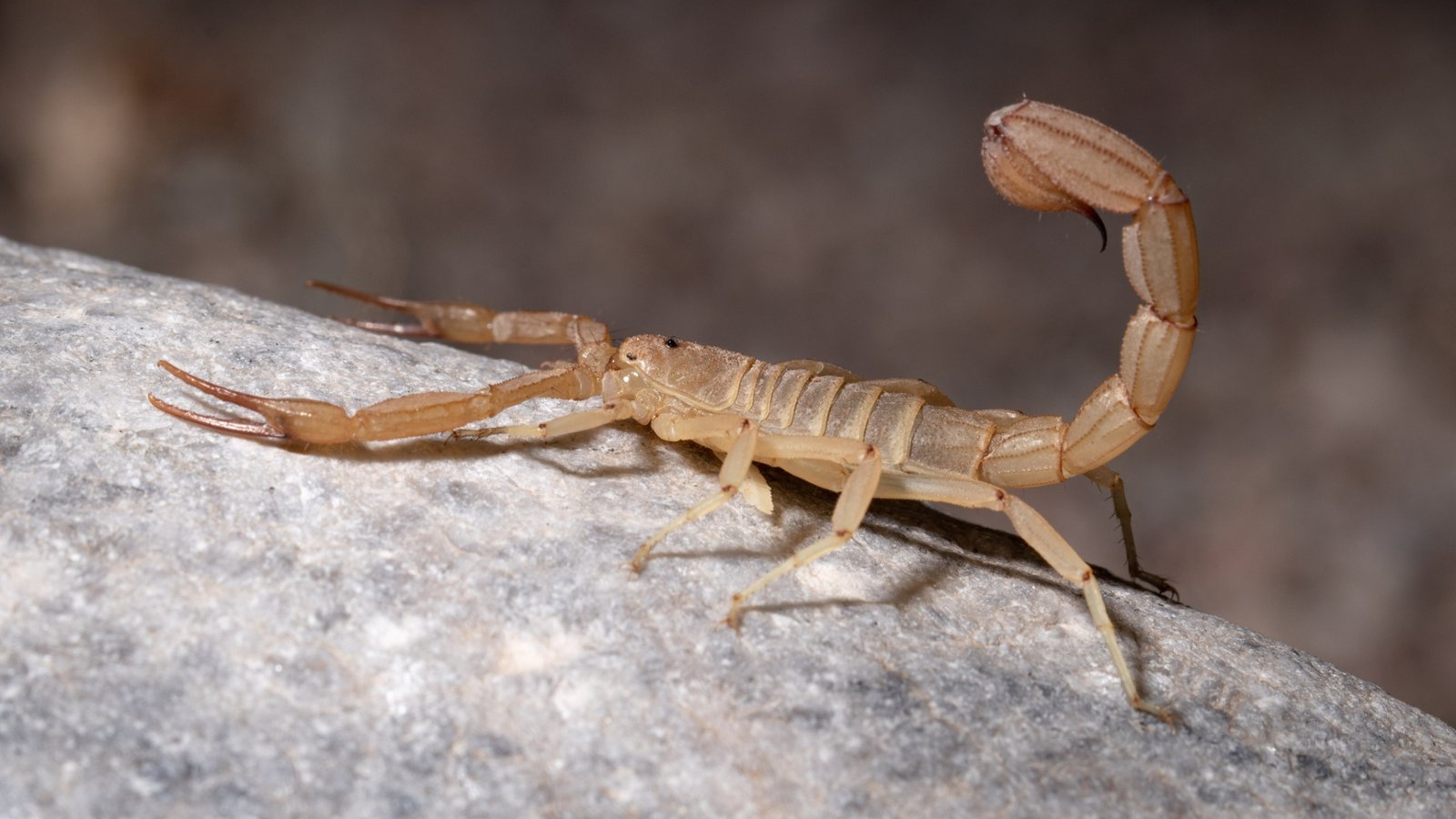
Yellow Devil Desert Scorpions — Paravaejovis confusus
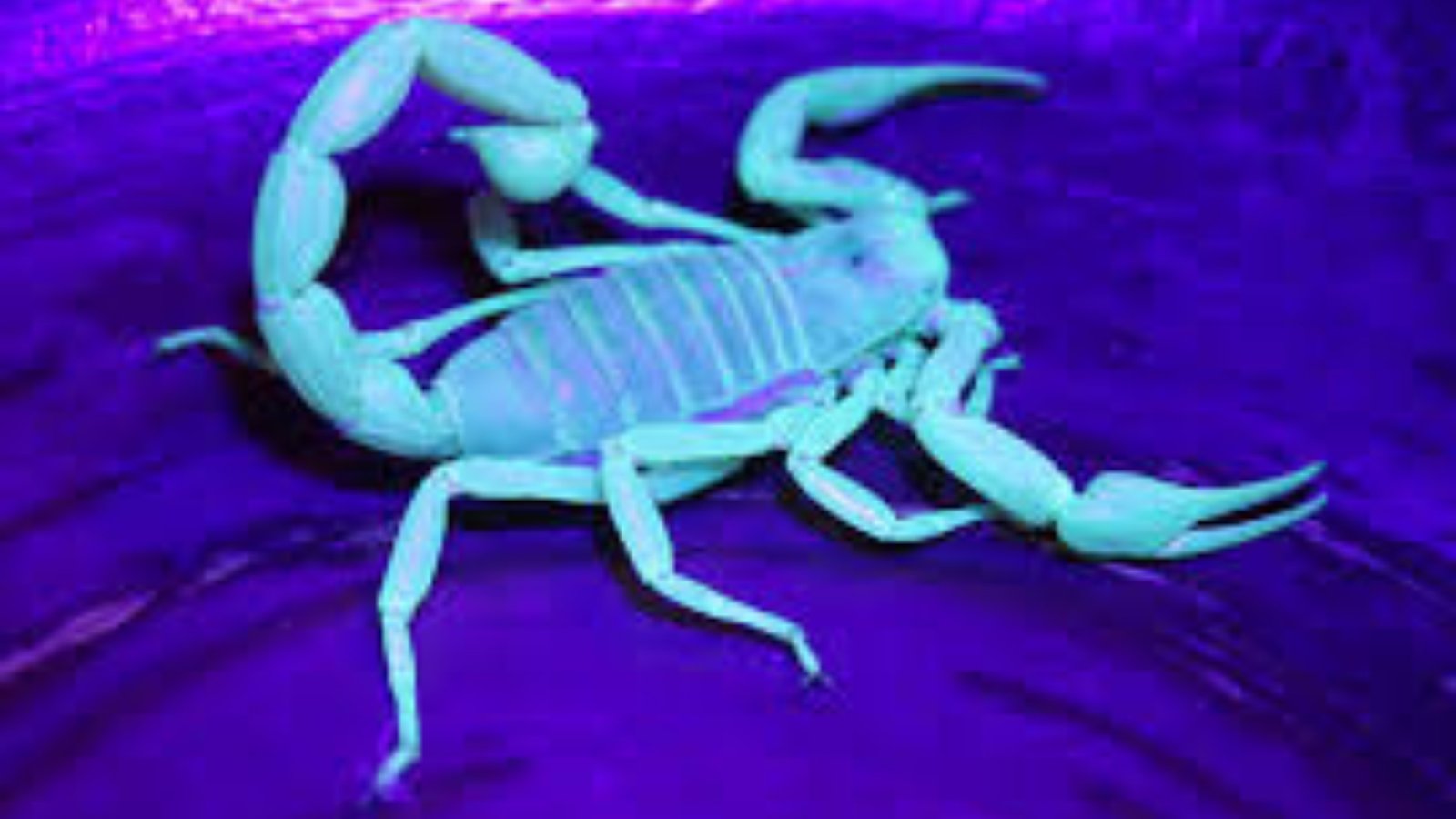
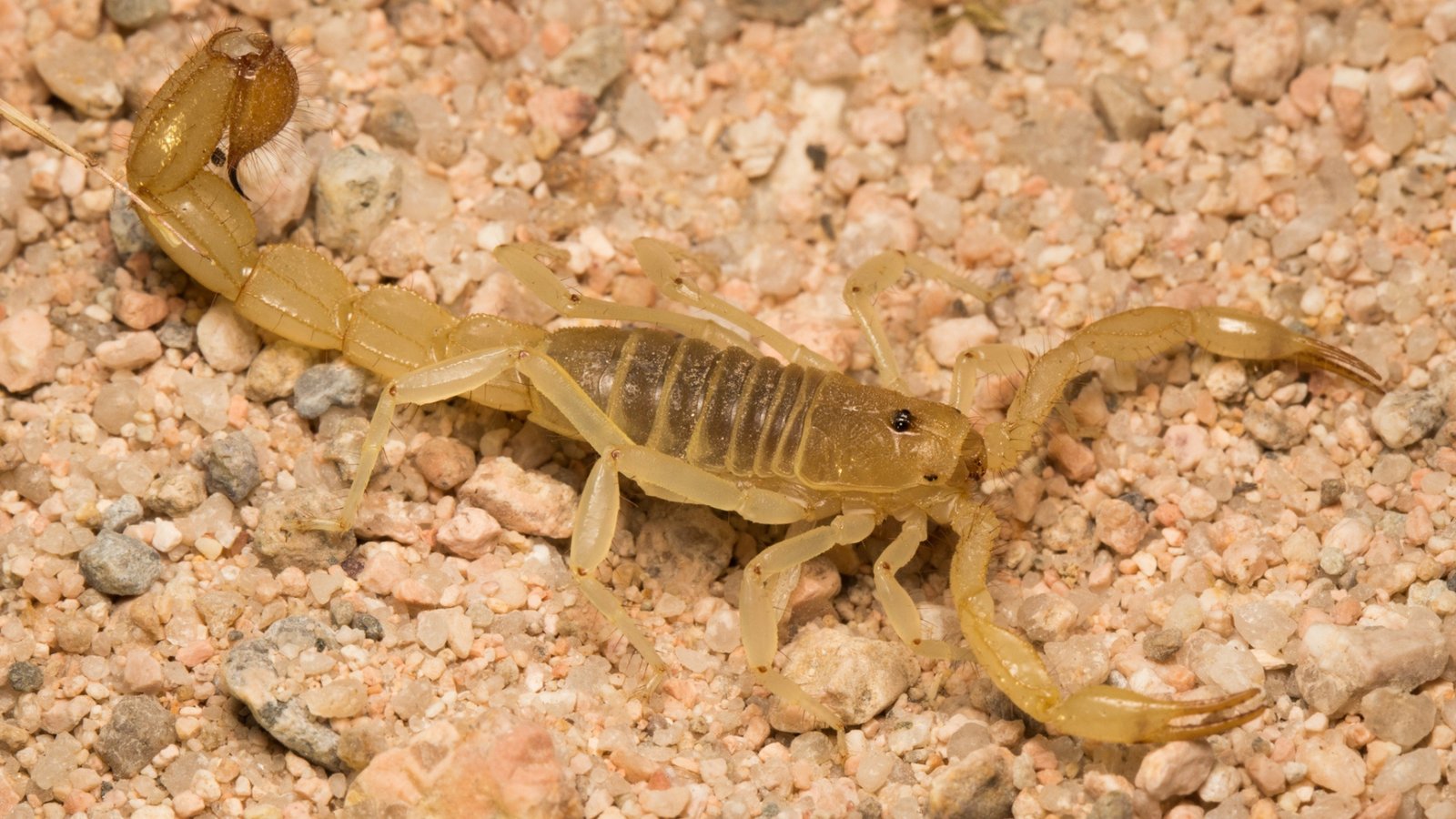
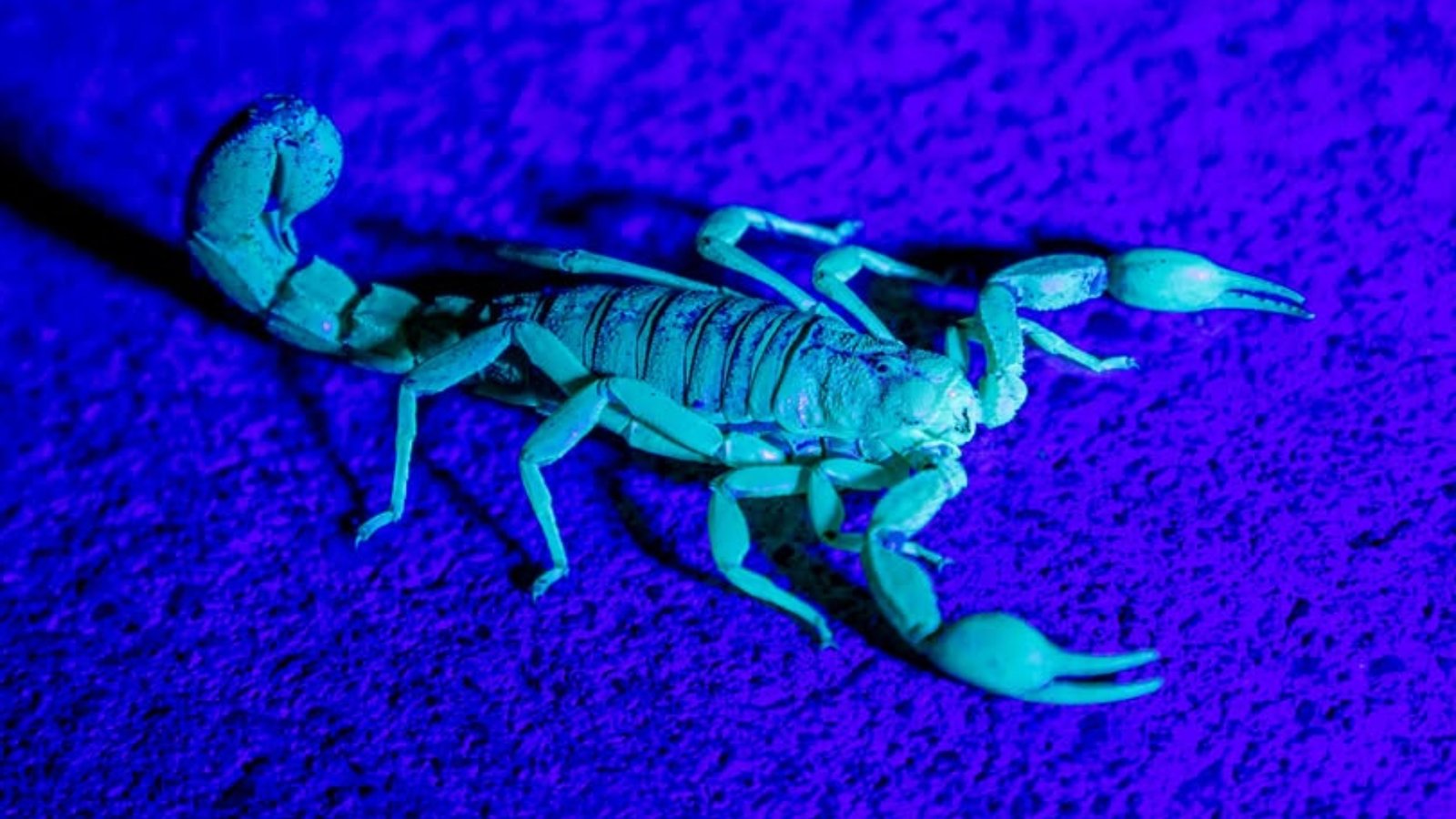
Sun-bleached gold by day, spectral blue-green under blacklight—Paravaejovis confusus pairs classic desert looks with vivid UV fluorescence. A compact, nocturnal burrower, it spends daylight tucked beneath rock plates and emerges after dusk to patrol and ambush prey. With a stable arid setup, this species offers low-maintenance care and high educational value for night-viewing displays.
Why Keep This Species
- Striking UV “glow” for dramatic blacklight demos
- Forgiving, arid-tolerant husbandry once dialed in
- Authentic behaviors—burrow engineering and crepuscular hunts
Keeper Profile
- Handling: hands-off; tongs/tools only—venomous
- Climate: ~75–85 °F (24–29 °C) ambient; warm spot ~90 °F (32 °C); ~25–45% RH
- Habitat: terrestrial/burrowing; deep compactable sand-loam; secure, well-ventilated lid
Keeper’s Summary
House a single Yellow Devil in an escape-proof enclosure with 3–5″ (7.5–12.5 cm) of compactable sand mixed with clay/soil to hold tunnels. Anchor burrows with flat stones/cork, heat one side to create a gradient, and keep surface layers dry (a lightly moistened deep corner can aid stability). Provide a shallow water cap; feed 1–2 appropriately sized roaches/crickets weekly at dusk. Use long tongs and catch cups for all service—no cohabitation or free-handling.
🐾 Yellow Devil Desert Scorpion — Paravaejovis confusus
- Common Name(s): Yellow Devil Desert Scorpion
- Scientific Name: Paravaejovis confusus (syn. Vaejovis confusus)
- Native To: Sonoran Desert region (SW USA & NW Mexico); arid rocky flats, sandy foothills
- Adult Size: ~45–60 mm total length (≈1.8–2.4″)
- Life Span: ~3–6+ years in captivity (females often longer)
- Difficulty: Beginner–Intermediate (arid setup; strictly hands-off)

Characteristics & Temperament
A small, sturdy vaejovid adapted to hot, dry landscapes. P. confusus spends days in compact burrows or under rocks, then emerges after dusk to patrol. Under UV, the exoskeleton fluoresces brilliantly—great for short, controlled viewing.
Appearance
- Coloration / Pattern: Yellow-tan to sandy ochre with subtle banding; darker pedipalps/segments add contrast.
- Build / Form: Compact body, sturdy digging legs, proportionate chelae; optimized for tight, stable burrows.
- Light Response: Strong blue-green fluorescence under UV/blacklight; limit duration to reduce stress.
Temperament
- Baseline: Shy/cryptic; primarily hidden by day, active at night.
- Response to Disturbance: Rapid retreat into cover; defensive posture if cornered.
- Feeding Style: Ambush/pounce predator; most responsive shortly after lights out.
Social Housing
Solitary. Cohousing risks injury or cannibalism. House singly; introduce only prey.
Quick Traits
Keeper Notes
- Stress Signs: Persistent surface pacing, refusal to feed, collapsed burrows.
- Confidence Builders: Deep compactable substrate, stable rock cover, minimal vibration, consistent night feeding.
- Display Tips: View with red light; keep UV demos brief and infrequent.
Care Requirements
Core setup and environmental targets to keep Paravaejovis confusus thriving.
Enclosure Setup
- Type: Terrestrial burrower (arid/desert).
- Minimum Size: ~12″×12″×12″ (30×30×30 cm) or ~5–10 gal for a single adult.
- Safety: Escape-proof lid/locking front; fine mesh vents; secure, cable-managed heat sources.
Furnishing
- Size: Footprint that allows warm/cool zones.
- Lid: Tight mesh or locking top with generous ventilation.
- Hides: Flat rocks/cork slabs to anchor burrows; provide 2–3 shelters.
- Enrichment: Sand slopes, small rock clusters, sparse desert décor for natural routes.
Substrate
- Blend: 70–90% clean play sand mixed with 10–30% clay/soil (e.g., excavator clay) for compaction.
- Depth: 3–5″ (7.5–12.5 cm); deeper supports stable, natural tunnels.
- Purpose: Burrowing, micro-humidity buffering inside tunnels, secure footing.
Habitat
- Water: Shallow bottle-cap dish refreshed 2–3×/week; keep surface layers dry.
- Décor: Arid rocks and cork; avoid unstable stacks and sharp edges.
- Behavior Fit: Nocturnal ambush hunter; mainly subterranean by day.
Environment Targets Set & Monitor
Lighting
Ambient room light; no UVB required. Night viewing via red light; limit UV to brief fluorescence demos.
Food & Water
- Juveniles: Small crickets/roaches 2–3× weekly; remove uneaten prey by morning.
- Adults: Appropriately sized crickets or roaches 1× weekly (1–2 items); adjust by body condition.
- Hydration: Keep a shallow water dish; avoid misting the surface—maintain arid conditions.
- Best Time to Feed: Dusk to night when naturally active.
Cleaning
- Spot-Clean: Remove prey remains and waste after feedings; wipe panels as needed.
- Deep Clean: Replace part/all substrate every 4–6 months or if fouled; rinse décor with hot water only.