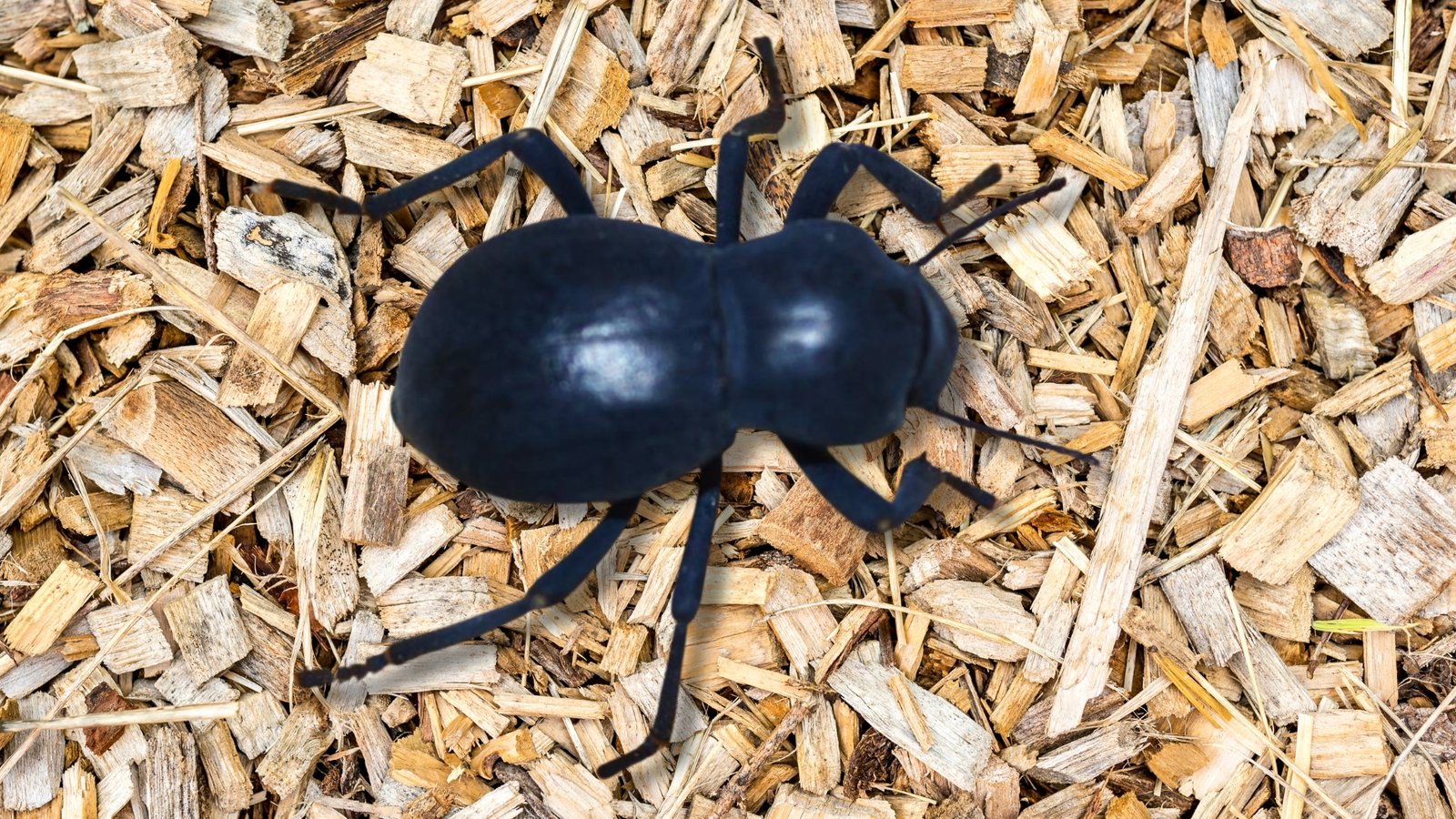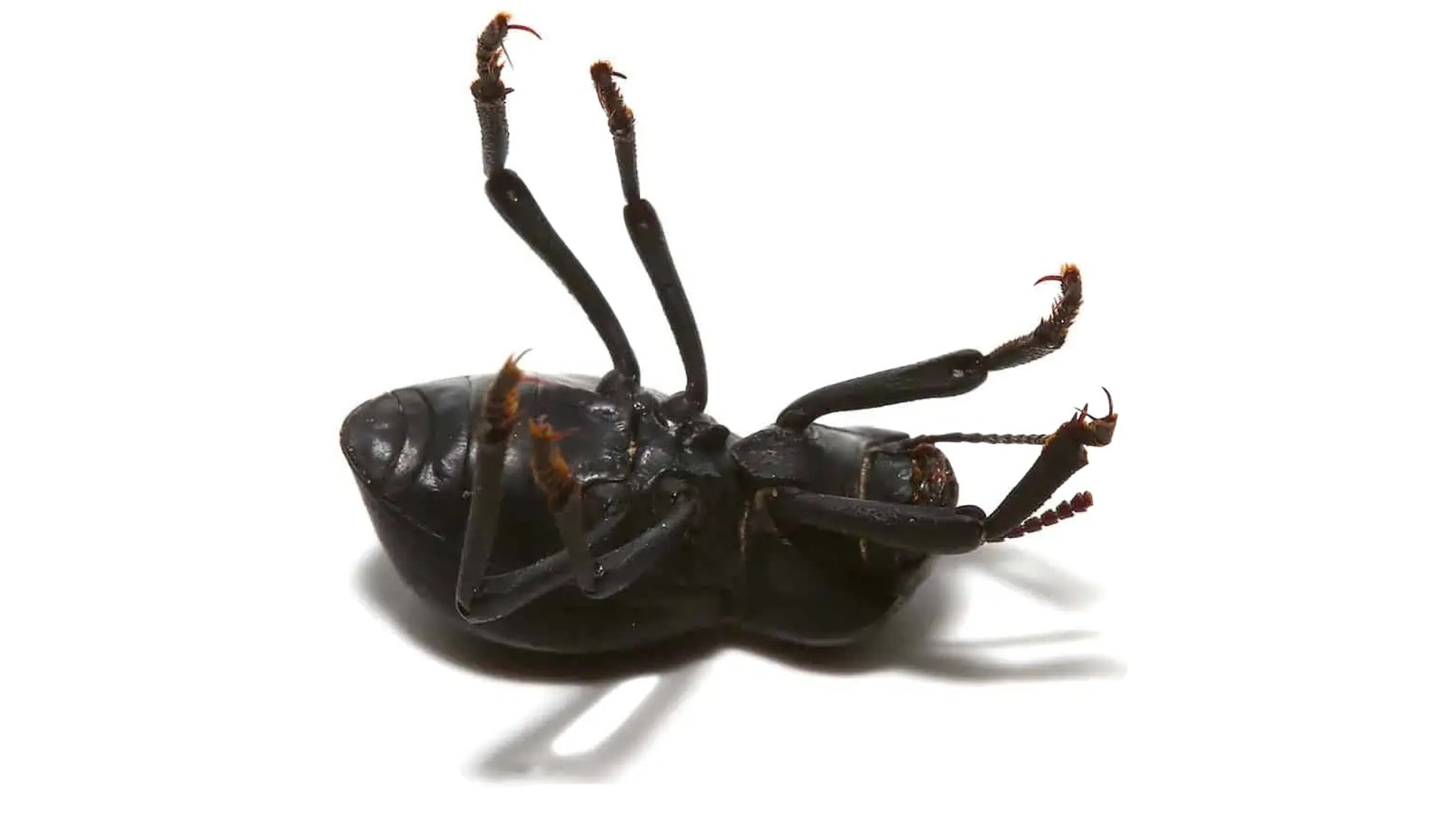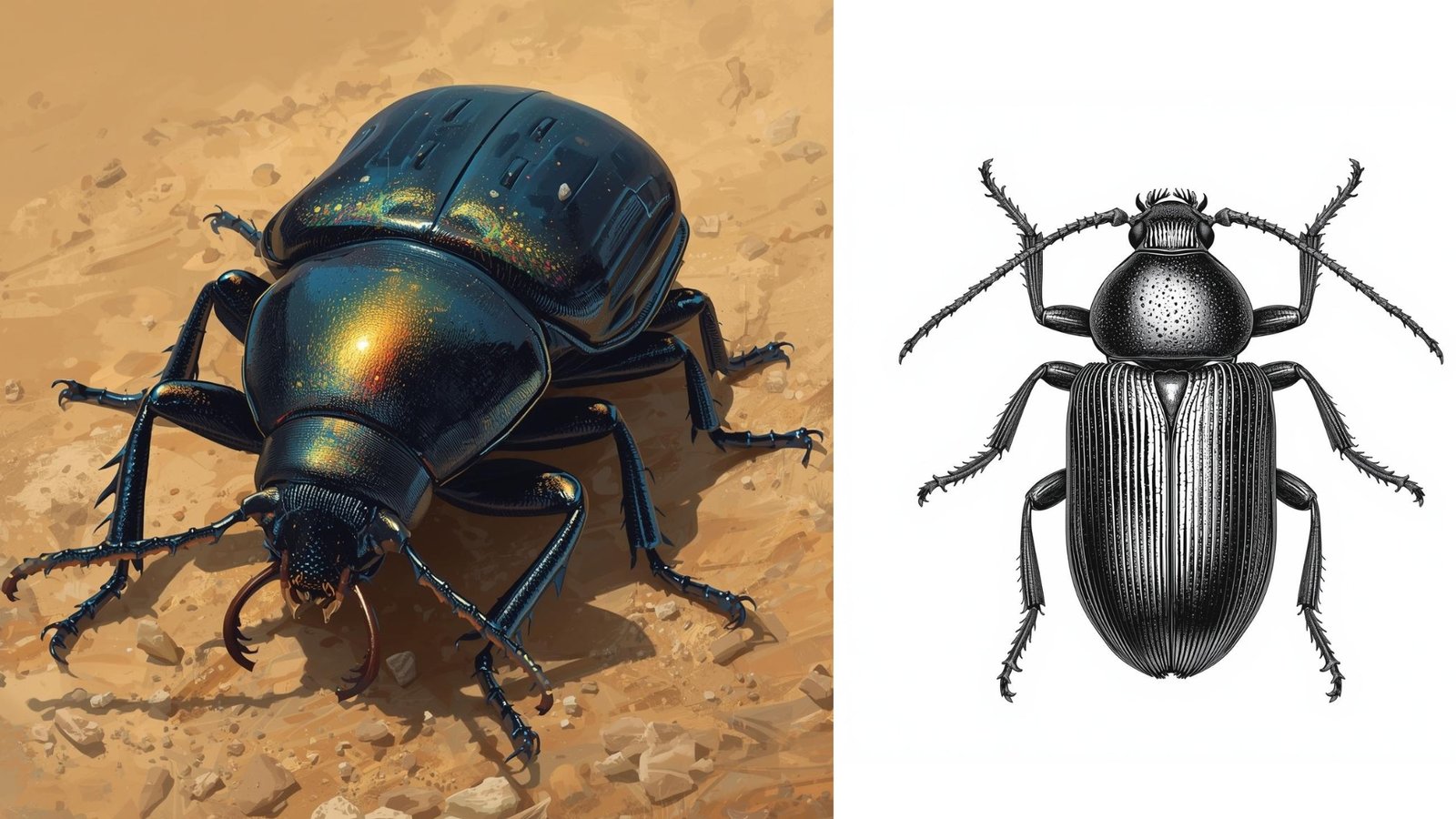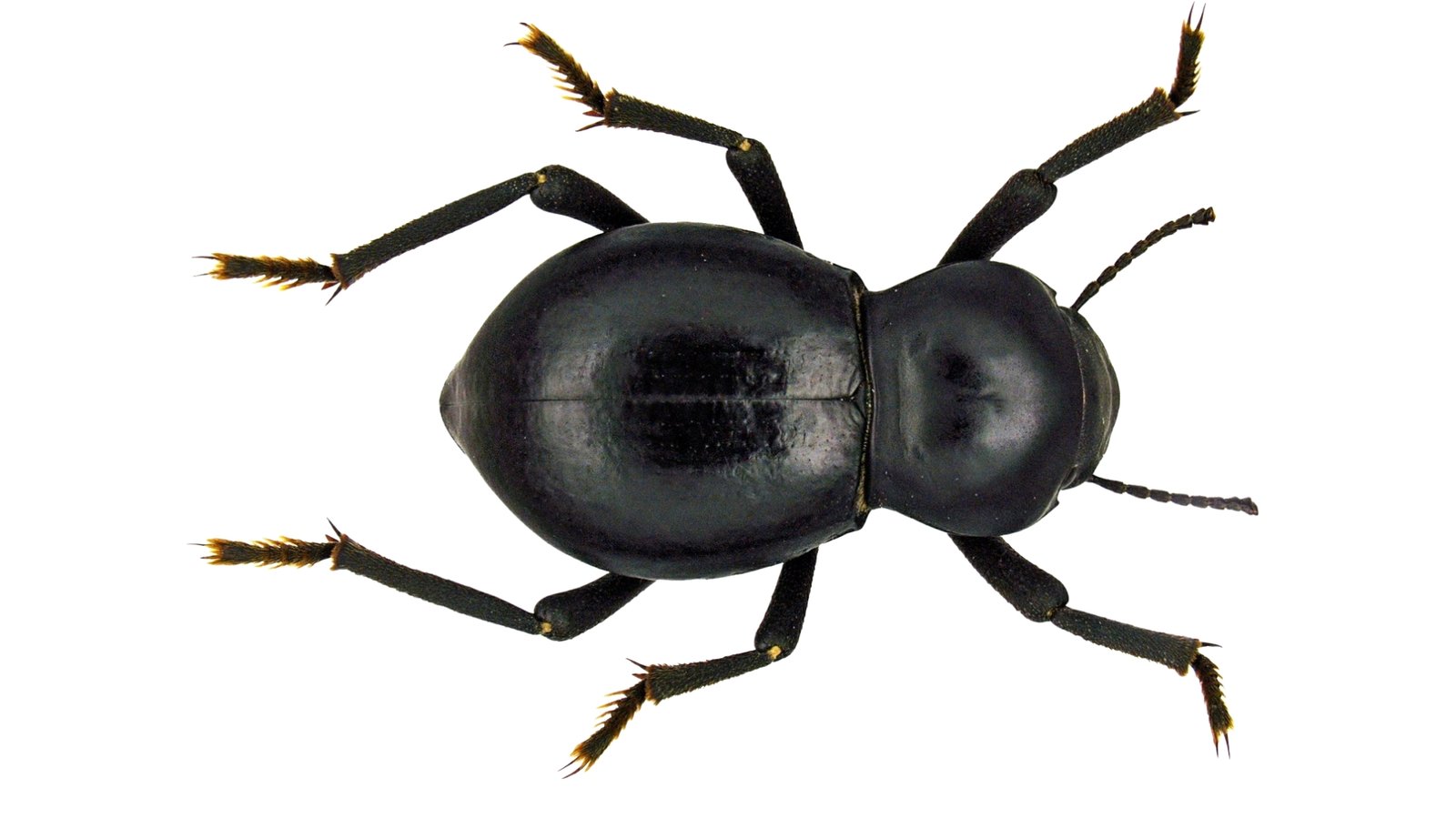
Smooth Black Death Feigning Beetle — Asbolus laevis
A glossy, jet-black desert tenebrionid with a famous “play dead” trick, the Smooth Black Death Feigning Beetle is a hardy, low-maintenance Myco-Pet that thrives in simple arid enclosures. Unlike its powder-blue cousin, this species keeps a sleek ebony finish and shows best under warm, natural-tone lighting. Expect calm, methodical foraging at dusk and night, occasional stillness when startled, and excellent educational value for all ages.
Why Keep This Species
- Striking, mirror-sleek black cuticle and classic “death-feigning” behavior.
- Very tolerant of beginner-friendly desert setups; low odor and easy feeding.
- Great for observation: cleans up leftover foods and showcases desert ecology.
Keeper Profile
- Handling stance: mostly hands-off; gentle cup transfers preferred.
- Climate targets: ~75–82 °F (24–28 °C) with a 72–85 °F range; low humidity ~20–40% RH.
- Habitat approach: terrestrial desert with deep, firm substrate, tight hides, and strong ventilation.
Keeper’s Summary
Provide a secure terrestrial enclosure with a dry, compactable sand-soil mix (2–3″/5–8 cm) and multiple snug hides. Maintain room-warmth with a gentle day/night dip and keep overall humidity low while offering one slightly humid micro-hide to aid molts. Feed a rotating mix of high-quality insectivore chow, fish flakes, fresh veg bits, and occasional dried proteins; offer a shallow water dish with pebbles or hydration gel and refresh often. Use tongs and collection cups for maintenance—minimal direct handling preserves the beetle’s finish and reduces stress.
🐾 Smooth Black Death Feigning Beetle — Asbolus laevis
- Common Name(s): Smooth Black Death-Feigning Beetle, Smooth Death-Feigning Beetle
- Scientific Name: Asbolus laevis (Tenebrionidae)
- Native To: Arid Southwest North America (Sonoran/Chihuahuan desert regions: AZ/NM/adjacent MX)
- Adult Size: ~1.0–1.2″ (2.5–3.0 cm)
- Life Span: Typically 5–8+ years in captivity with stable care
- Difficulty: Beginner-friendly (low humidity, simple diet, hardy disposition)
Characteristics & Temperament
Appearance
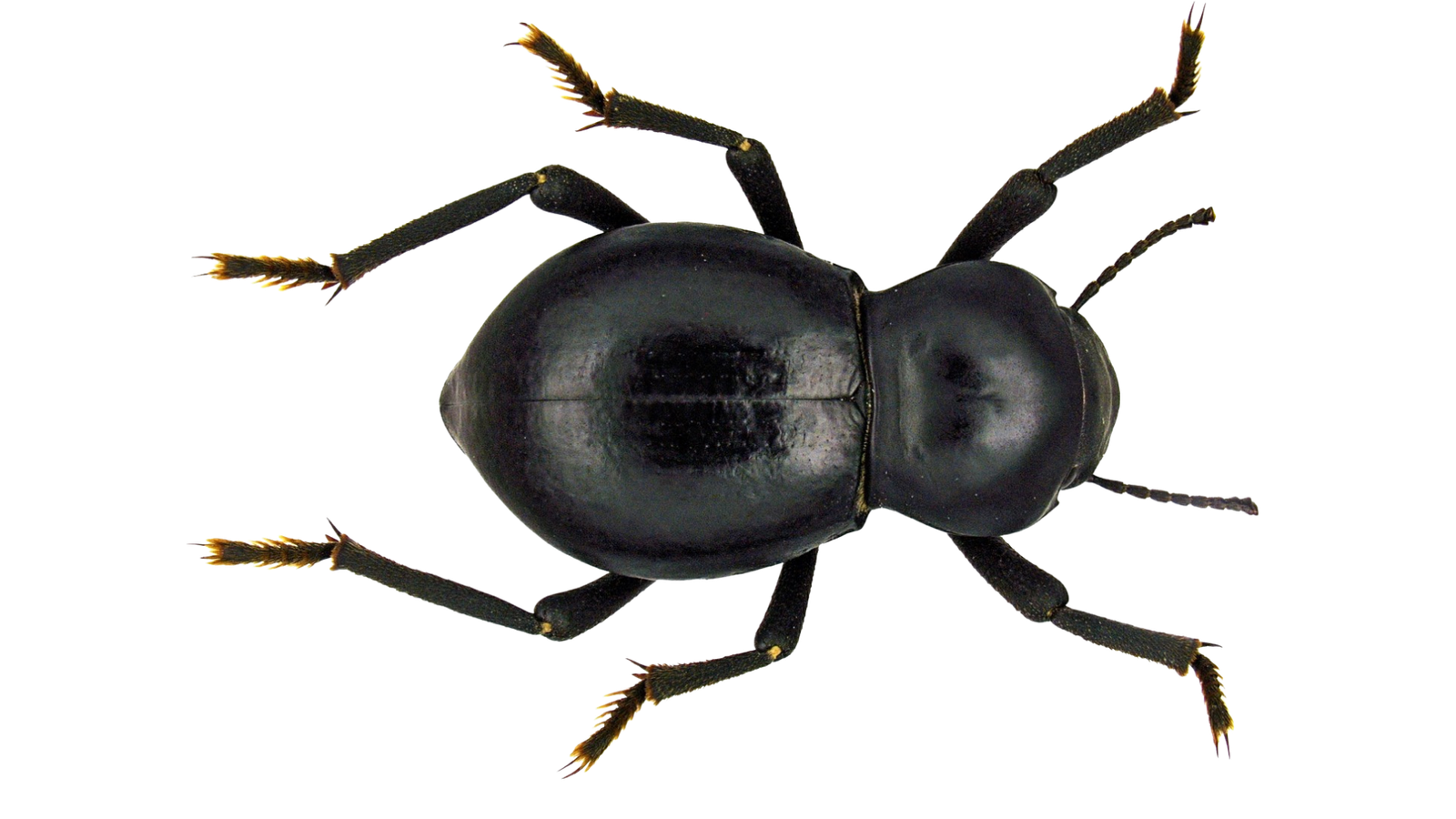
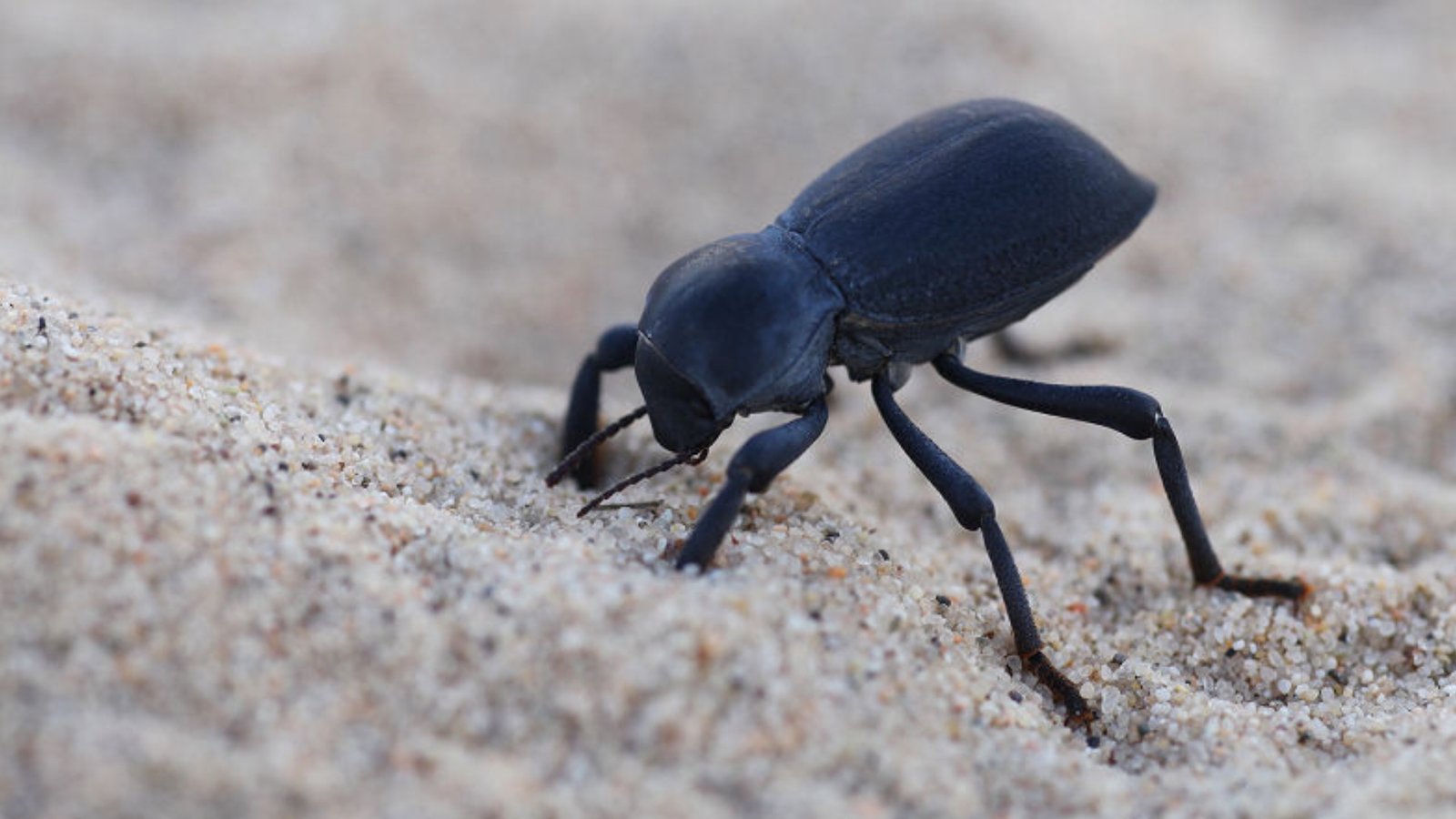
- Coloration / Pattern: Deep, uniform ebony black with a satin sheen; minimal sculpturing compared to the bumpy “blue” cousin.
- Build / Form: Oval, slightly domed body; sturdy legs for roaming firm desert floors; short antennae typical of darkling beetles.
- Light Response: Non-iridescent, low UV reflectance; best display under soft white or warm LEDs rather than blacklight.
Temperament
- Baseline: Calm and deliberate; primarily nocturnal forager that shelters by day.
- Response to Disturbance: May freeze or “play dead” (thanatosis); otherwise slowly backs away to cover.
- Feeding Style: Opportunistic omnivore/detritivore; most responsive at dusk and evening.
Social Housing
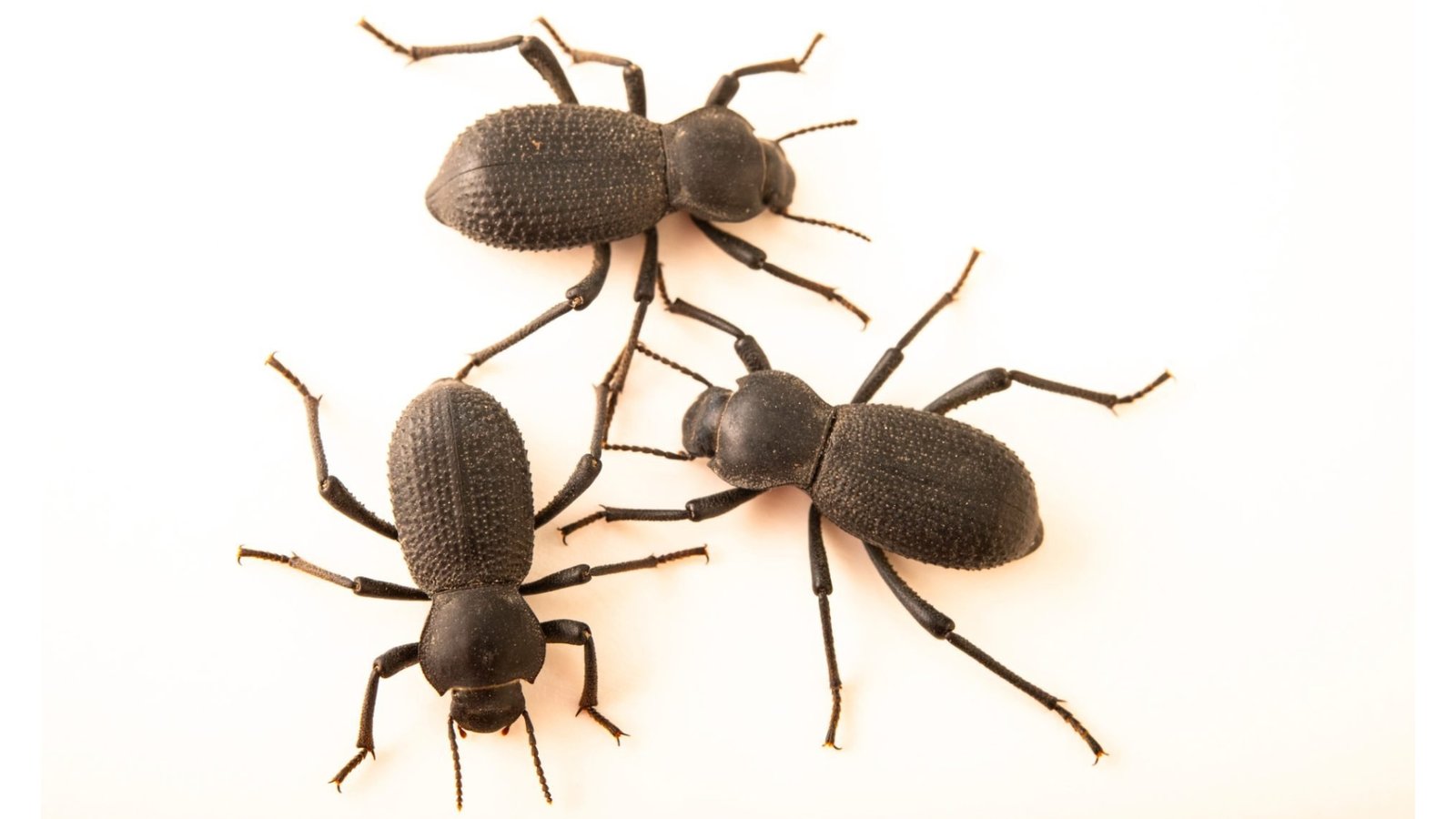
Generally tolerant in groups when space, hides, and food are plentiful. Provide multiple tight refuges and scattered feeding spots to prevent resource guarding. Default recommendation: house singly or in small, well-provisioned groups and monitor after each feeding.
Care Requirements Smooth Black Death Feigning Beetle — Asbolus laevis
Core setup and environmental targets to keep Asbolus laevis thriving. Replace the bracketed fields with species-accurate values.
Enclosure Setup
- Type: Terrestrial desert.
- Minimum Size: Single beetle: ≥6-qt (shoebox) or ~10″×7″ footprint; small group (3–5): ≥10–15 L or 12″×12″×8″.
- Safety: Tight-fitting lid with cross-ventilation; secure cables; no gaps around doors.
- Size: Example display: 10–20-gallon long for small colony.
- Lid: Fine metal mesh or locking front; strong airflow is essential.
- Hides: Cork rounds, snug slate stacks, half-buried bark, leaf-litter pockets.
- Enrichment: Branch fragments, textured rock, scattered anchor points for climbing and cover.
Substrate
- Blend: 50% play sand, 40% sifted topsoil, 10% clay/silt; optional crushed limestone or fine gravel for firmness.
- Depth: 2–3″ (5–8 cm) compacted to hold shallow burrows and tunnels.
- Purpose: Stable footing, humidity buffering at depth, and natural digging behavior.
Habitat
- Water: Shallow dish with pebbles or hydration gel; refresh 3–4× weekly. Keep surfaces dry.
- Décor: Desert wood, cork, rock plates; hardy live plants optional if kept dry-tolerant.
- Behavior Fit: Surface dweller/occasional digger; provide dark, tight refuges for security.