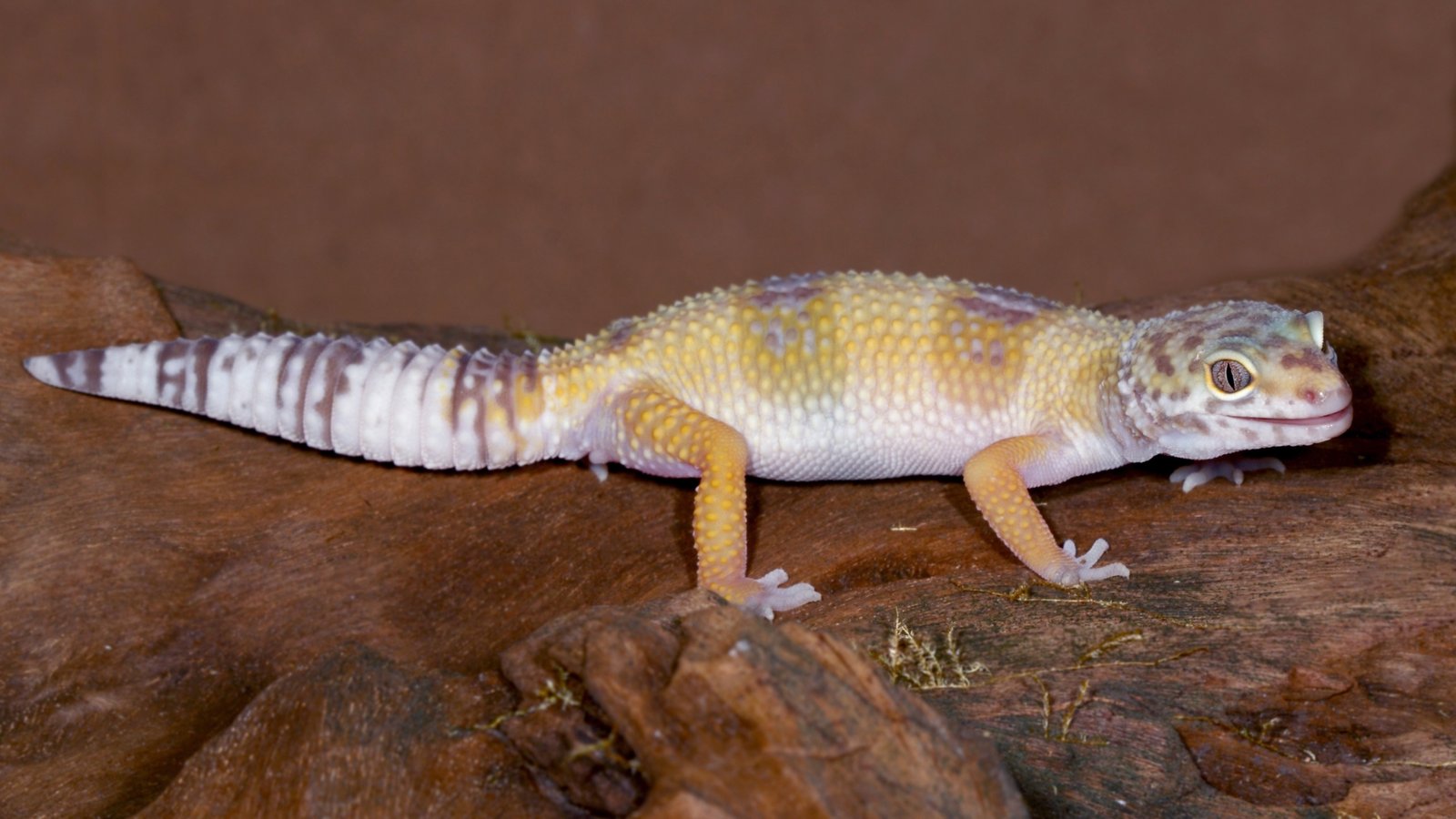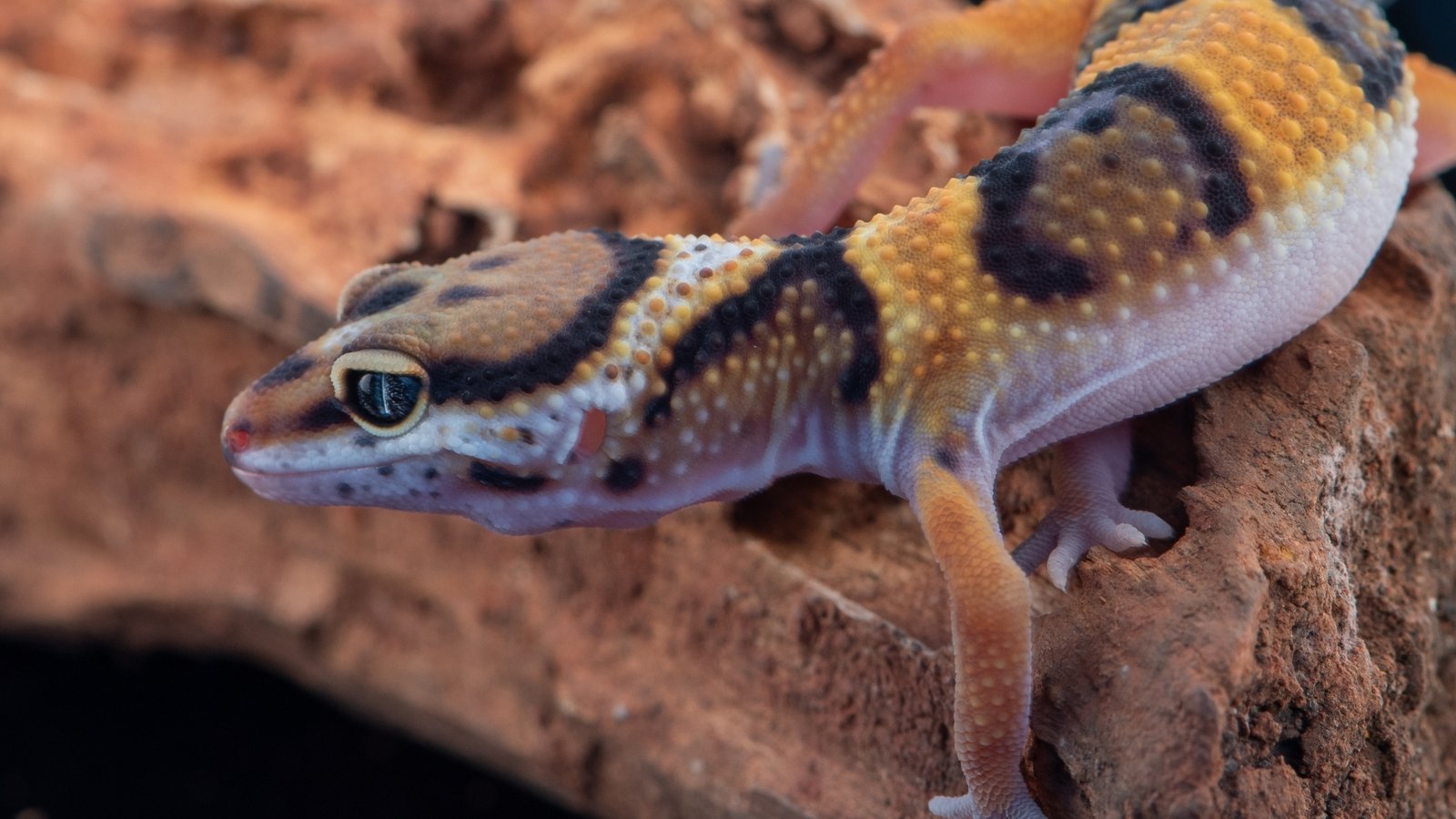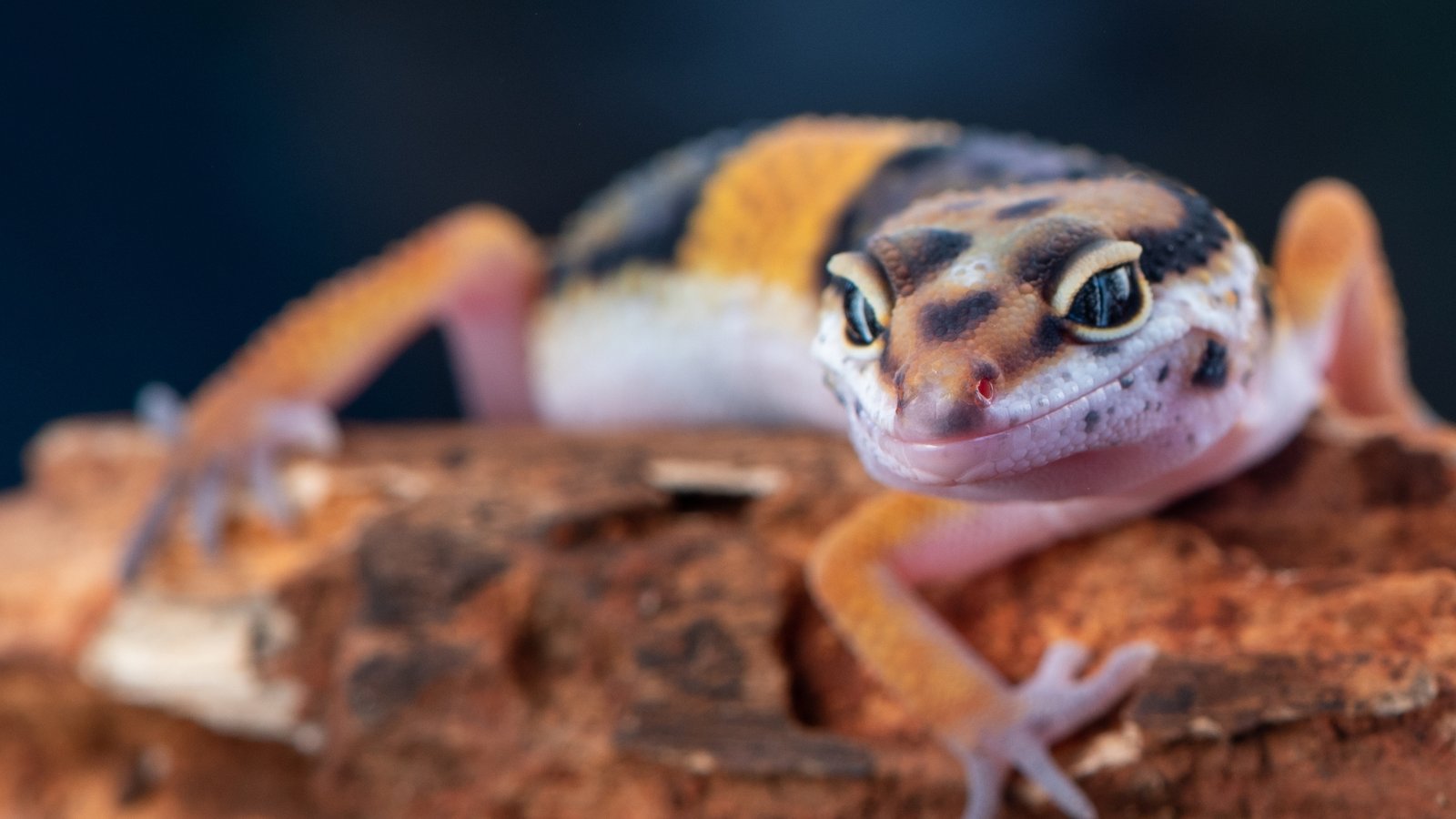
Leopard Geckos — Eublepharis macularius
Leopard Geckos are desert ground-dwellers with calm curiosity and bold, spotted patterns. Crepuscular by nature, they shine in evening displays, readily take tong-offered insects, and reward consistent, warm, low-humidity care with steady, visible routines.
Why Keep This Species
- Relaxed temperament and excellent visibility at dusk
- Hardy with straightforward arid husbandry and clear benchmarks
- Educational feeding response and easy health tracking
Keeper Profile
- Handling: gentle, brief sessions after acclimation; support the body
- Climate: warm spot 88–92 °F (31–33 °C); cool side 75–80 °F (24–27 °C); ~30–45% RH
- Habitat: terrestrial; secure lid; three-hides system (warm/dry, warm/moist, cool)
Keeper’s Summary
Juveniles can start in 5–10 gal grow-outs, but adults flourish in a 20 gal long (30″×12″) minimum; a 40 breeder (36″×18″) is ideal. Provide a belly-warm hotspot at 88–92 °F with a reliable thermostat and a cool retreat at 75–80 °F. Use solid substrates (tile/slate/paper) or, for experienced keepers, firmly packed soil/sand blends. Maintain ~30–45% RH with a dedicated moist hide, offer fresh water daily, and feed varied, gut-loaded insects 2–4×/week with appropriate calcium and vitamins. Handle calmly and briefly—never by the tail.
🐾 Leopard Gecko — Eublepharis macularius
- Common Name(s): Leopard Gecko
- Scientific Name: Eublepharis macularius
- Native To: Rocky deserts & semi-arid grasslands of Pakistan, India, Afghanistan, and Iran
- Adult Size: 7–10″ (18–25 cm); 45–80 g typical (morph/sex dependent)
- Life Span: 10–20+ years with proper care
- Difficulty: Beginner–Intermediate (clear thermal targets; simple maintenance)
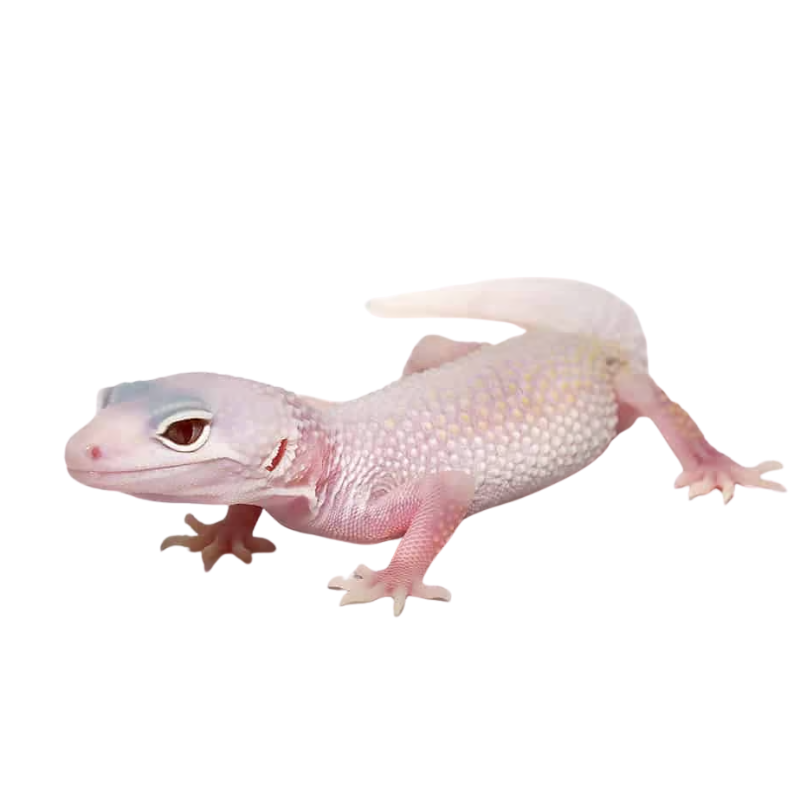
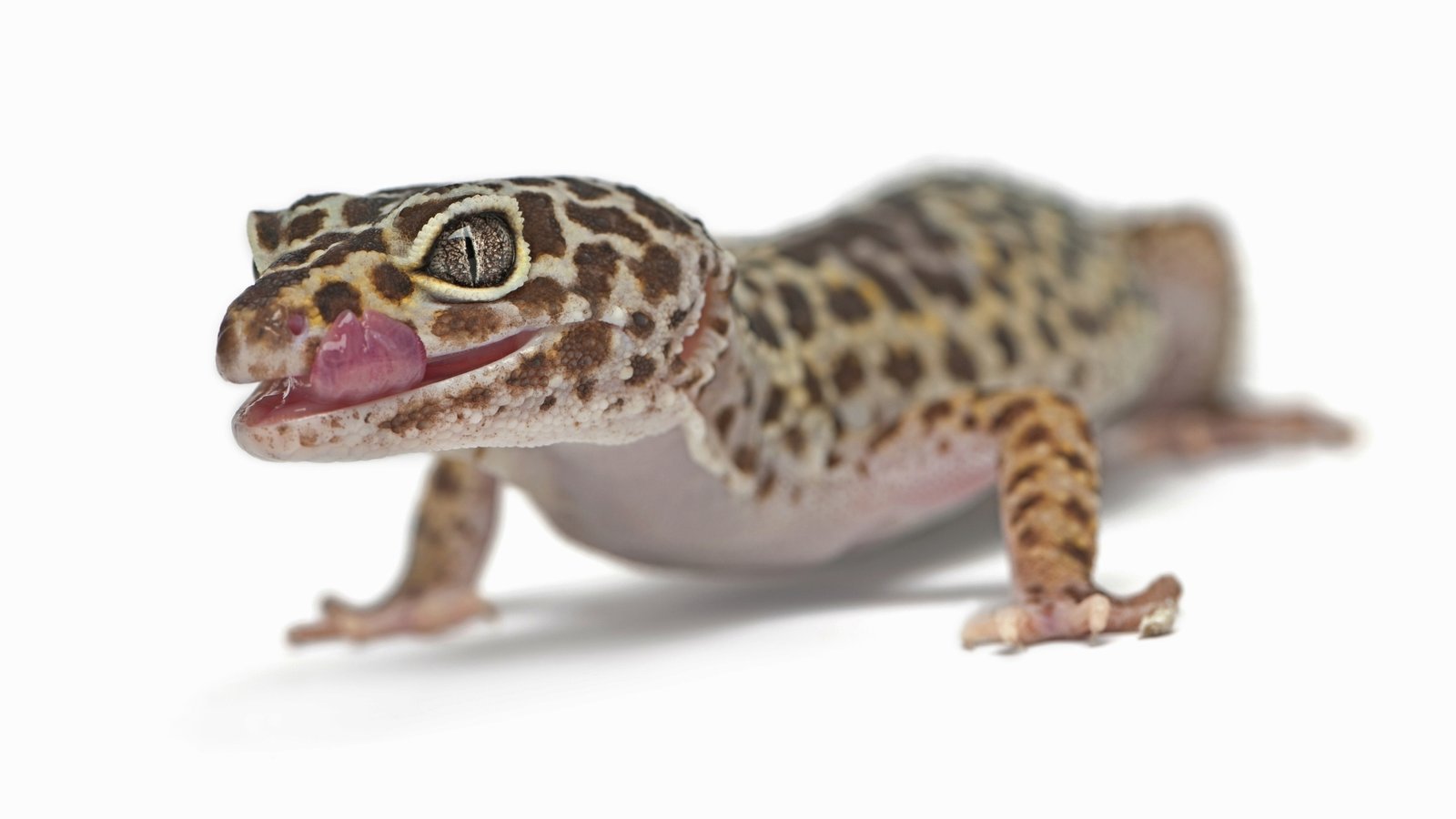
Characteristics & Temperament
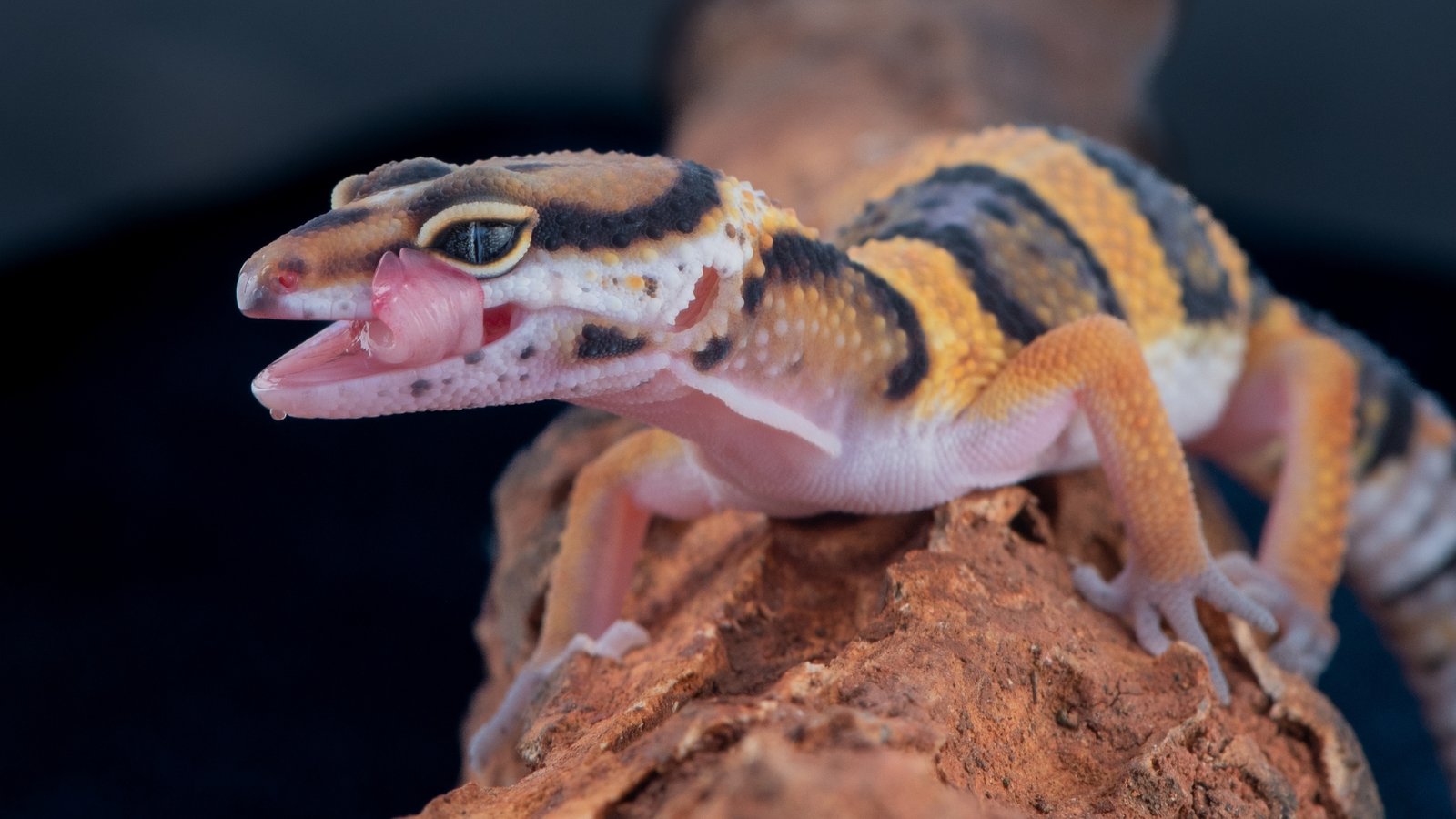
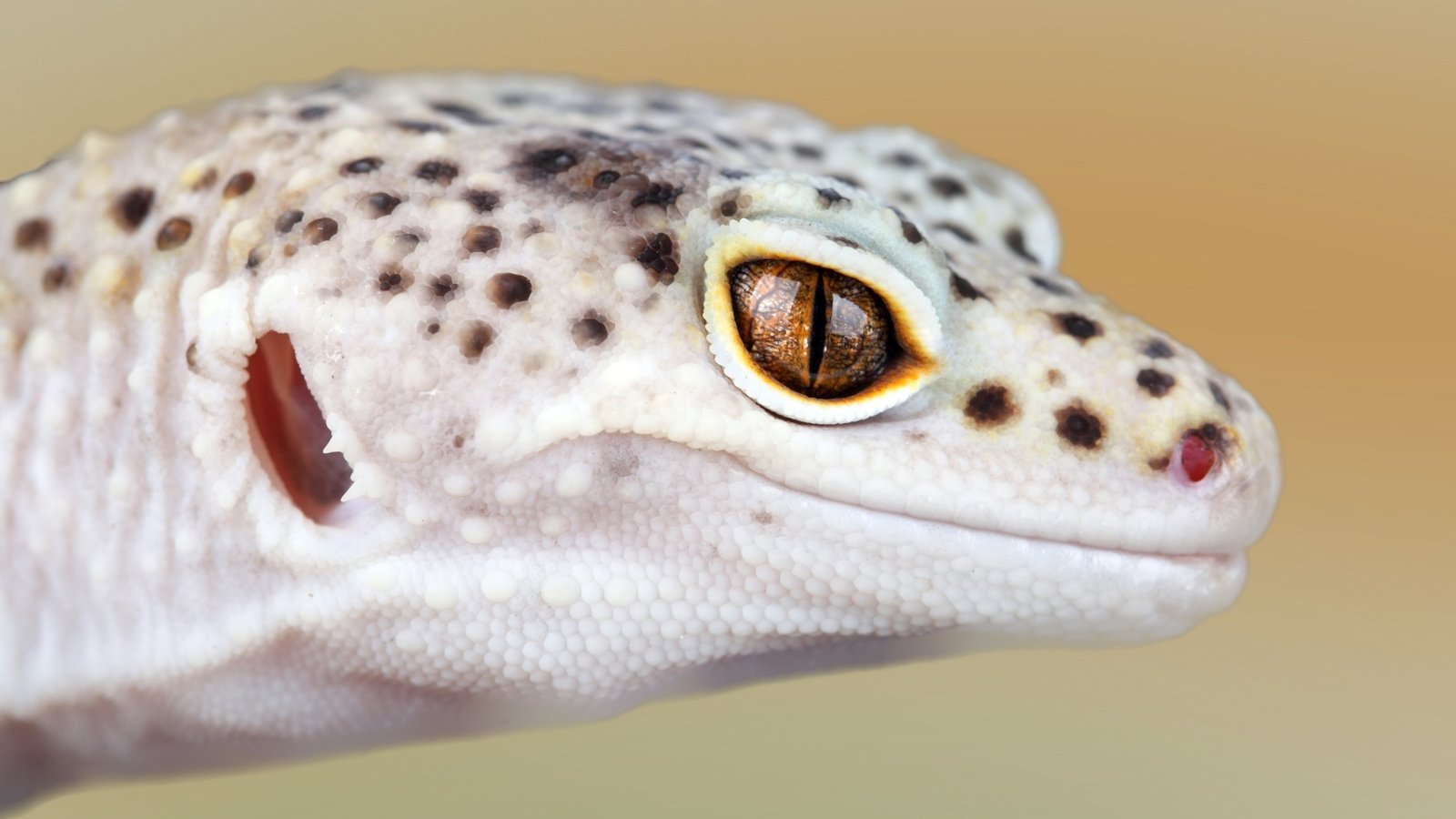
Ground-dwelling, thick-tailed geckos with movable eyelids and a calm, inquisitive demeanor. Best observed at dusk when they patrol, tongue-flick, and hunt.
Appearance
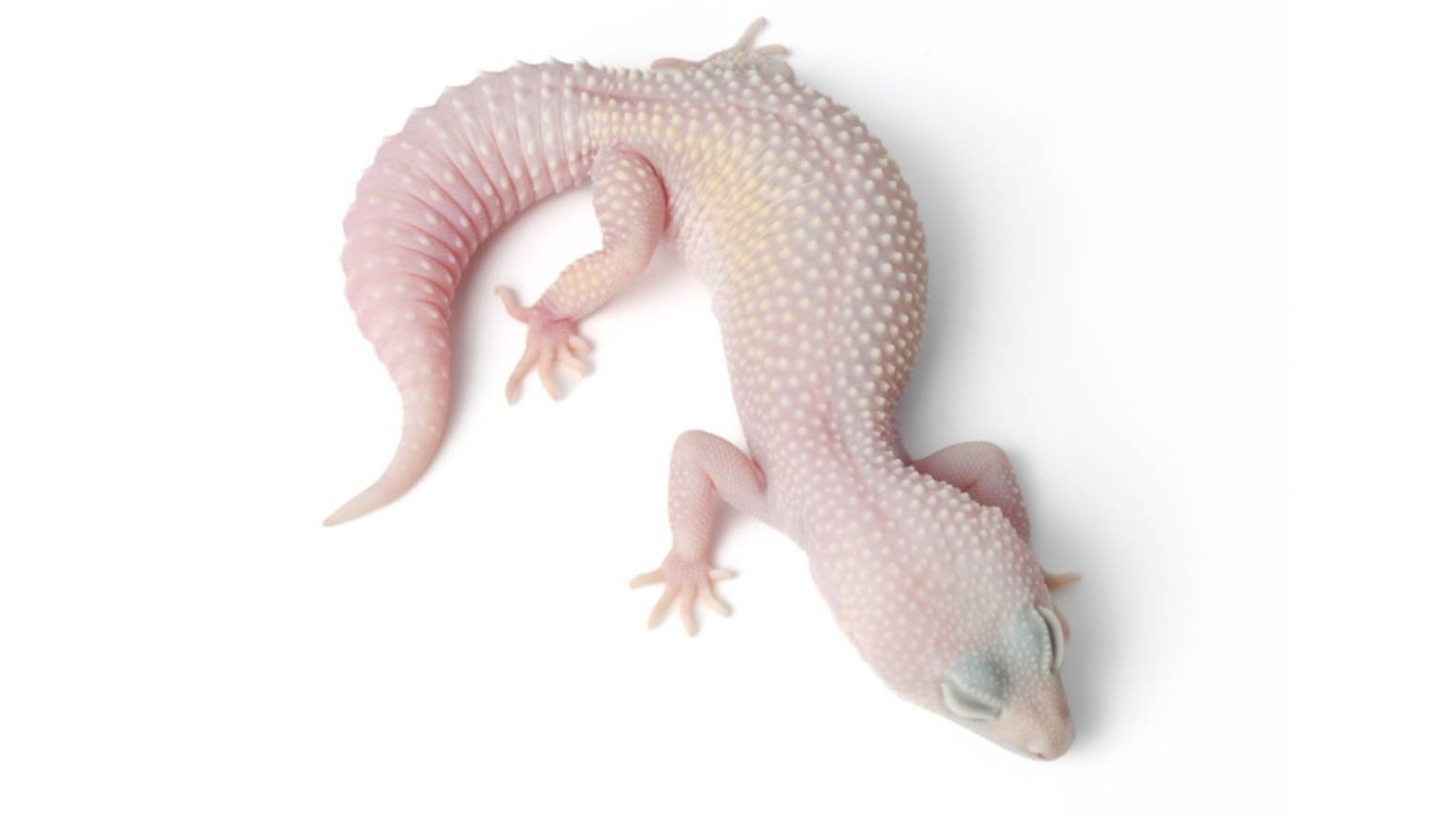
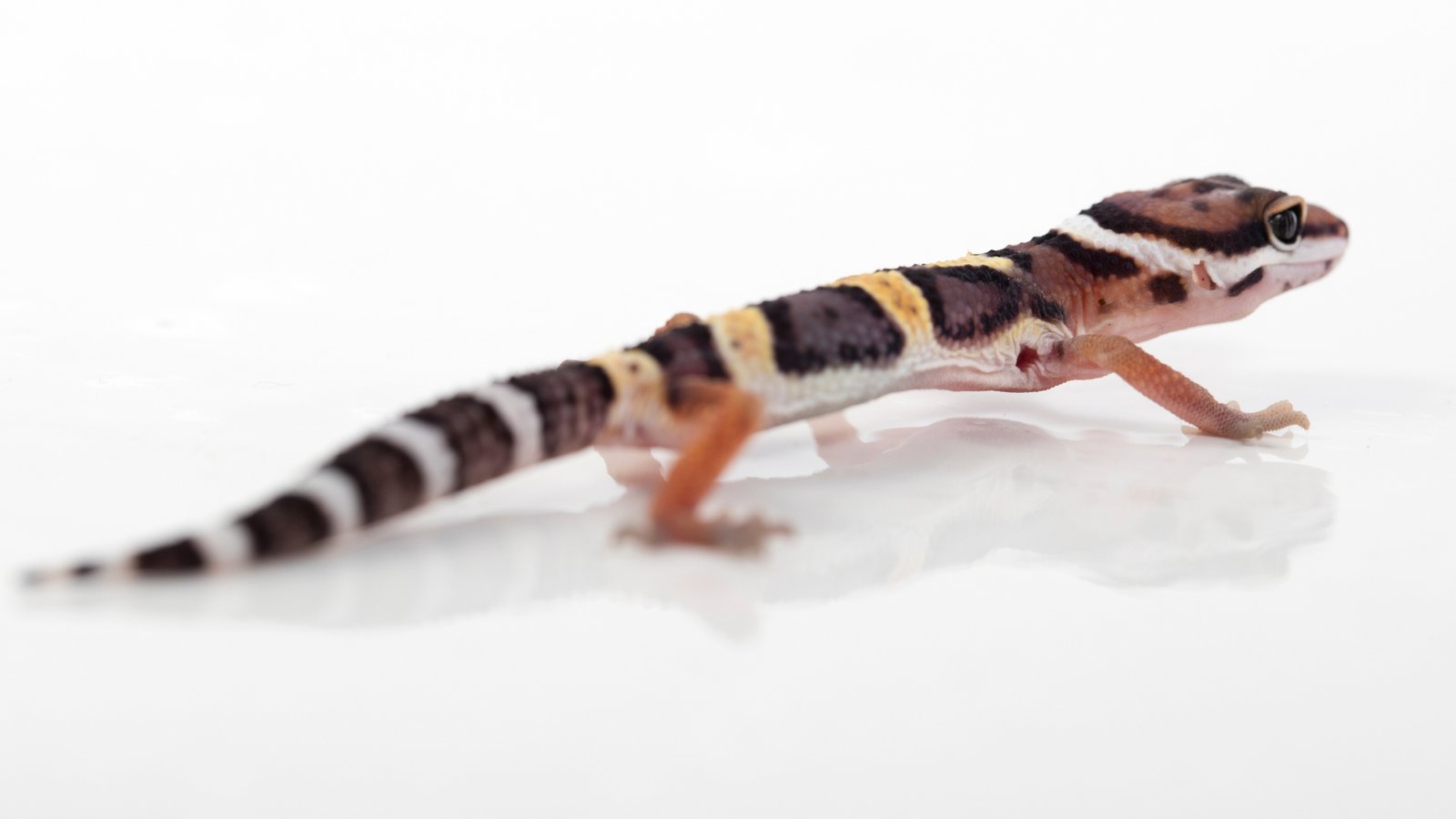
- Coloration / Pattern: Yellow/tan base with dark rosettes; extensive morph diversity (tangerine, albino lines, patternless, etc.).
- Build / Form: Robust body, broad head, fat-storage tail; non-adhesive feet suited for terrestrial traction.
- Light Response: Not UV-fluorescent; tolerates low-output UVB if provided with shade.
Temperament
- Baseline: Calm and tolerant once settled; ideal for gentle handling.
- Response to Disturbance: Freezes or slowly retreats; may tail-rattle or chirp if stressed.
- Feeding Style: Opportunistic insectivore; strongest response at dusk/night.
Social Housing
Primarily solitary. Keep one per enclosure. Experienced keepers may attempt compatible female pairs only in large setups (36″×18″+) with duplicate resources; never house males together.
Quick Traits
Keeper Notes
- Stress Signs: Persistent hiding, tail thinning, stuck shed (toes/eyes), refusal to feed.
- Confidence Builders: Three-hides layout, predictable dusk feedings, low daytime disturbance.
- Display Tips: Dim ambient light; observe with warm-white or red-toned evening lighting.
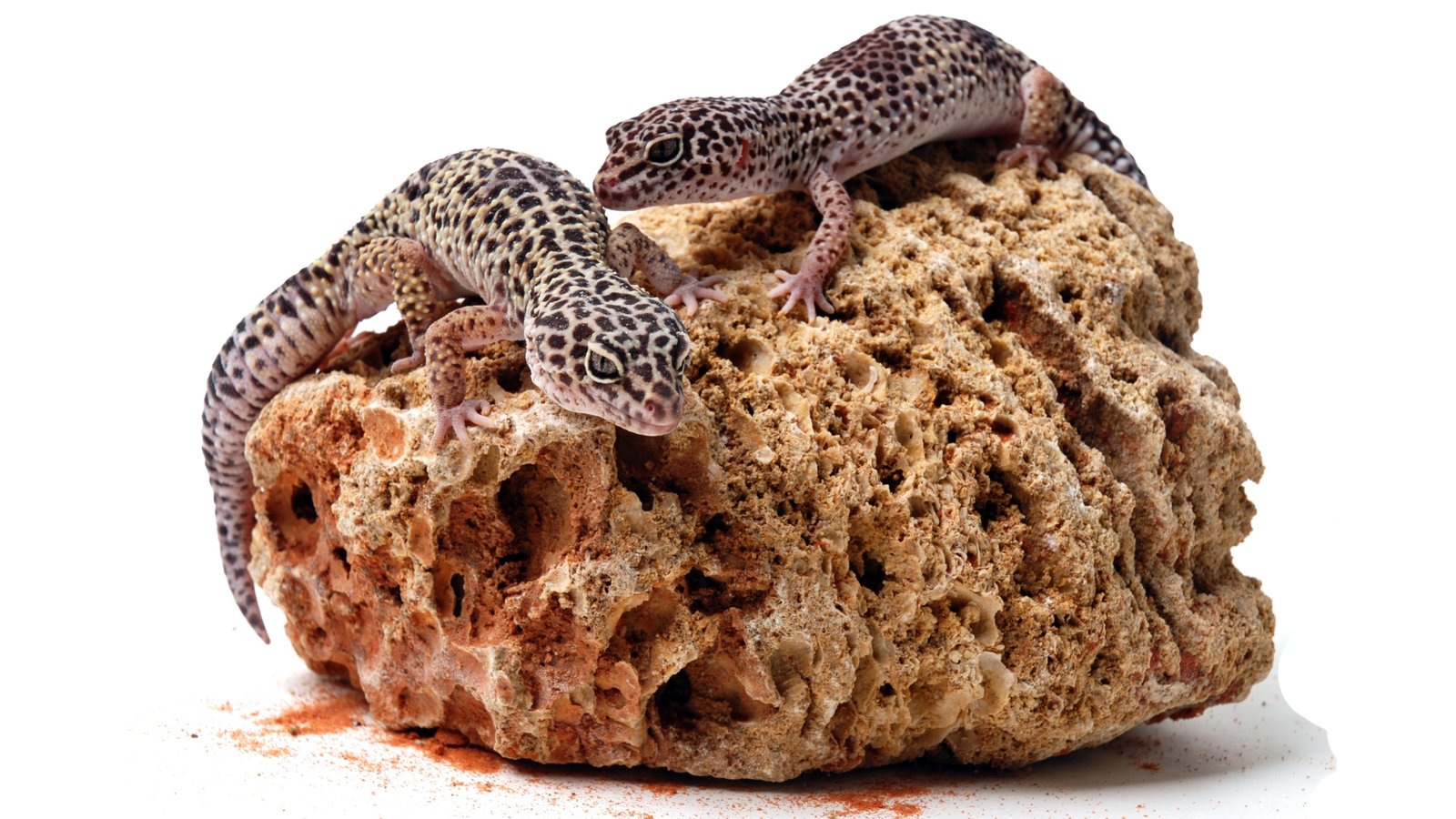
Care Requirements
Core setup and environmental targets to keep Eublepharis macularius thriving.
Enclosure Setup
- Type: Terrestrial ground-dweller.
- Minimum Size: 20 gal long (30″×12″×12″) for one adult; 40 breeder (36″×18″) preferred.
- Juveniles: 5–10 gal short-term grow-outs (<~6 months or <30 g) with planned upgrade.
- Safety: Escape-proof lid; thermostat-controlled heat; probe + IR thermometer for surface temps.
Furnishing
- Size: Horizontal floor space prioritized.
- Lid: Tight mesh/top with ample ventilation.
- Hides: Three-hides system—warm/dry, warm/moist (damp moss), and cool hide.
- Enrichment: Slate/tile for traction, low rocks/logs, secure tunnels.
Substrate
- Preferred: Solid surfaces (tile, slate, paper, PVC liner) for easy cleaning and stable belly heat.
- Alternative (experienced keepers): Firmly packed soil/sand mixes that hold form; avoid loose, dusty particulates for young/naive feeders.
- Depth: Thin bedding for solids; 1–2″ (2.5–5 cm) for packed mixes.
Habitat
- Water: Shallow dish refreshed daily; maintain a moist hide to prevent stuck shed.
- Décor: Flat stones over heat zone (use spacers), cork flats, low ledges.
- Behavior Fit: Crepuscular patrols; post-meal basking on warm surface.
Environment Targets Set & Monitor
Lighting
Provide a 12L:12D cycle. Low-output UVB (2–7%) is optional but beneficial if shade is available; heat is still essential for digestion.
Food & Water
- Juveniles: Daily or every-other-day insects (crickets, dubia, mealworms, BSFL); prey size ≈ space between eyes.
- Adults: 2–4 insect meals/week; vary species; gut-load 24–48 h prior.
- Supplements: Calcium + D3 dust 1–2×/week; multivitamin 1×/week; offer plain calcium access.
- Hydration: Fresh water daily; re-wet moist hide as needed.
Cleaning
- Spot-Clean: Remove feces/urates daily; wipe feeding areas.
- Deep Clean: Replace liners or sanitize hardscape every 2–4 weeks; rinse décor with hot water only.