Heterometrus longimanus — Introduction & Overview
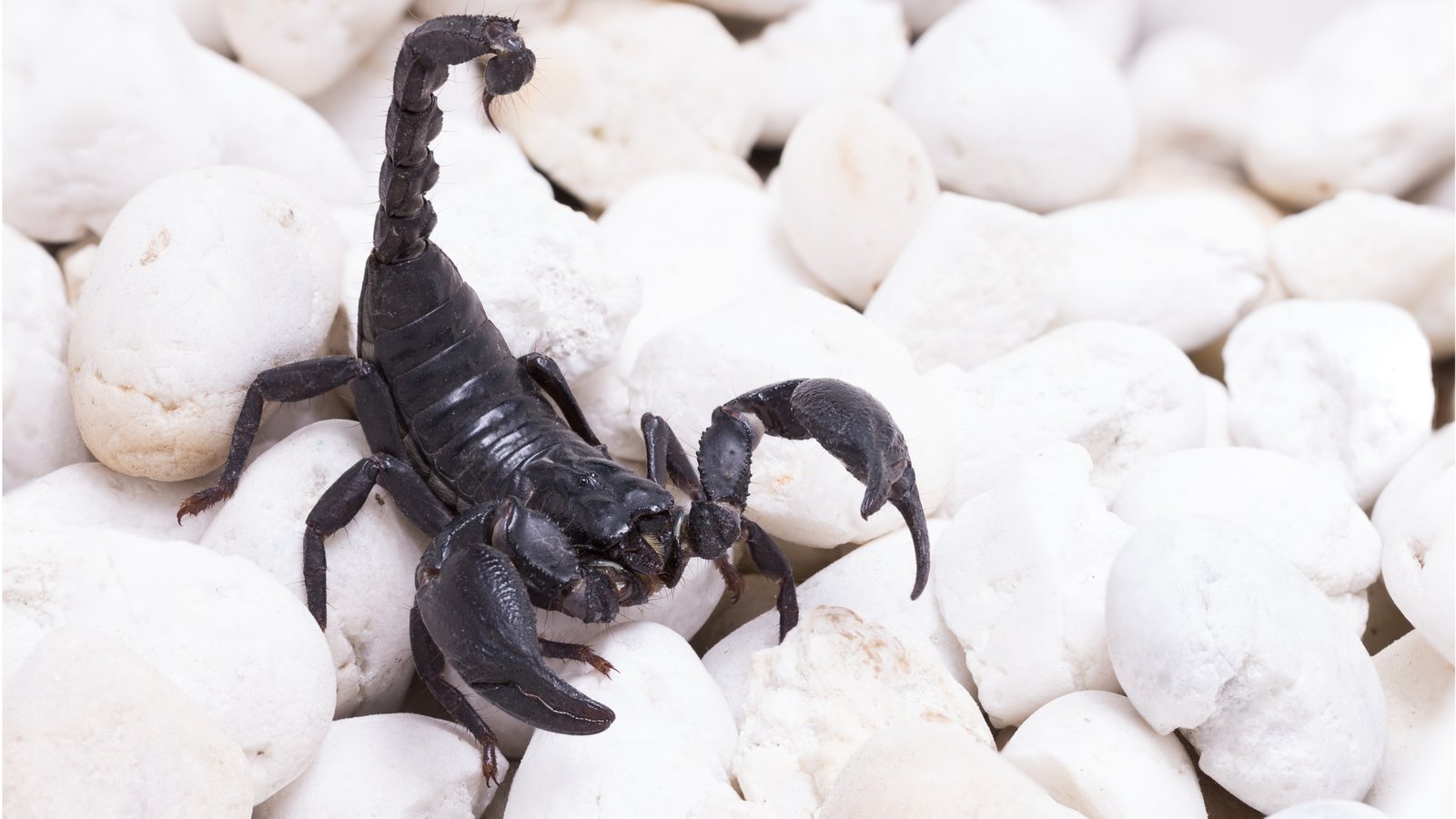
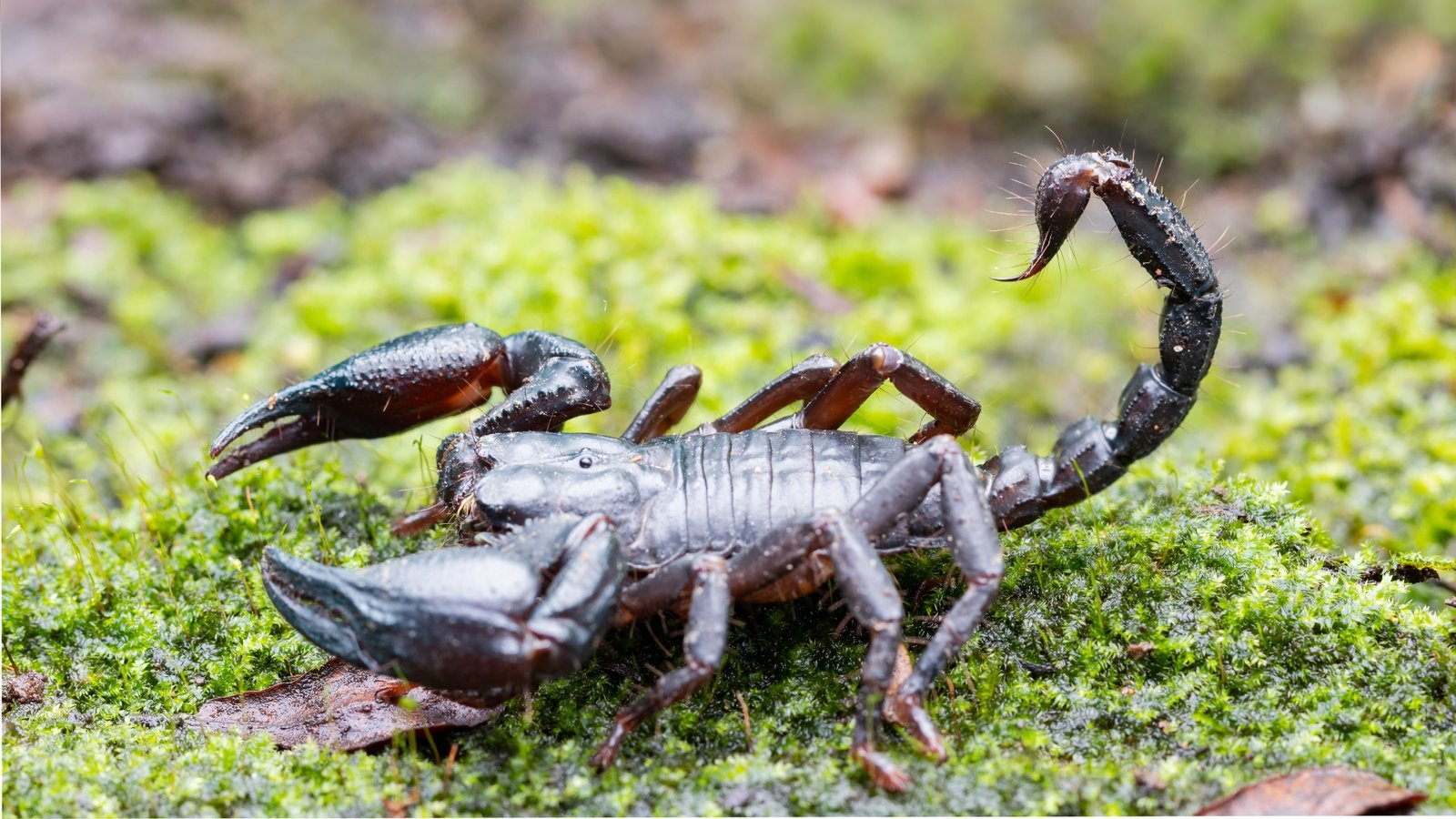
The Asian Forest Scorpion (Heterometrus longimanus) is a glossy, jet-black forest dweller from Southeast Asia that commands attention under normal light and glows an ethereal turquoise under UV. It’s a classic display scorpion—robust, secretive, and nocturnal—rewarding patient observation with powerful feeding strikes and methodical patrols. For Myco-Patrons who value naturalistic setups and low-handling husbandry, this species offers dramatic presence with manageable care.
Why Keep This Species
- Striking display: mirror-black armor that fluoresces under blacklight.
- Hardy when kept warm, humid, and provided deep, tight hides.
- Educational behaviors: burrow maintenance, nocturnal foraging, threat postures.
Keeper Profile
- Handling: hands-off; use tools (tongs/catch cups) only.
- Climate: ~76–82 °F (24–28 °C), humidity 70–85% RH.
- Habitat: deep, slightly compactable substrate; snug cork-bark hides; good ventilation to prevent mold.
Keeper’s Summary
House a single adult in a terrestrial, front-opening enclosure with a secure lid and cross-ventilation. Provide 4–6″ (10–15 cm) of moist coco-fiber/topsoil mix for burrowing, a snug cork hide, and a shallow water dish refreshed often. Maintain warm, humid forest conditions with a thermostat-controlled side heat source; avoid hot rocks. Feed appropriately sized roaches or crickets at dusk (adults ~1× weekly; juveniles 2–3× weekly). Minimize disturbance; admire nocturnal activity under red or UV-safe viewing light.
🐾 Asian Forest Scorpion — Heterometrus longimanus
- Common Name(s): Asian Forest Scorpion, Asian Black Scorpion
- Scientific Name: Heterometrus longimanus
- Native To: Tropical Southeast Asia (Indonesia, Malaysia, Thailand, Singapore)
- Adult Size: 4–5.5 in (10–14 cm)
- Life Span: ~5–8 years in captivity (occasionally longer)
- Difficulty: Intermediate (hands-off, humidity-dependent)
Characteristics & Temperament
What to expect from Heterometrus longimanus in day-to-day care: bold looks, UV fluorescence, and mostly secretive, nocturnal habits.
Appearance
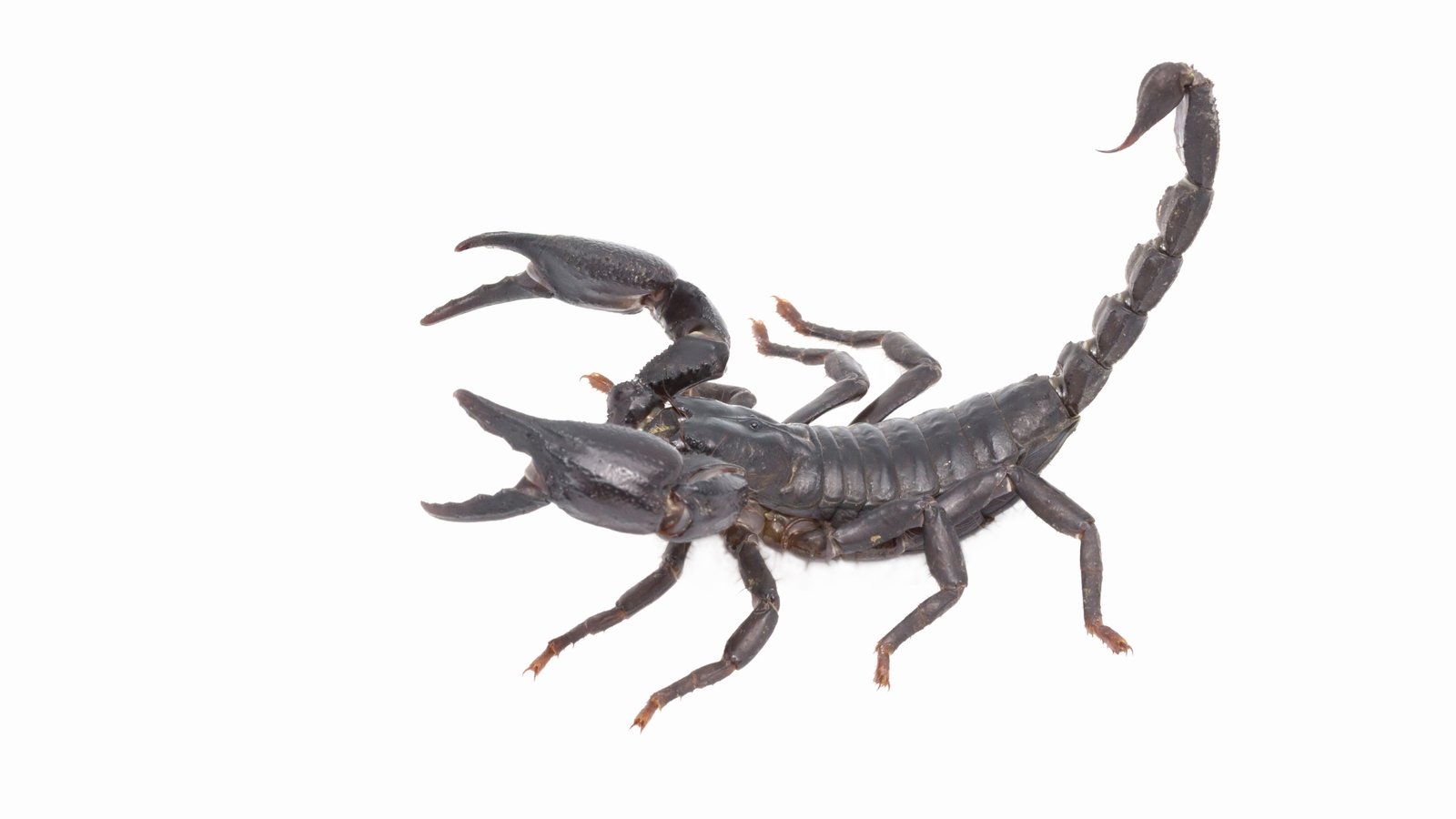
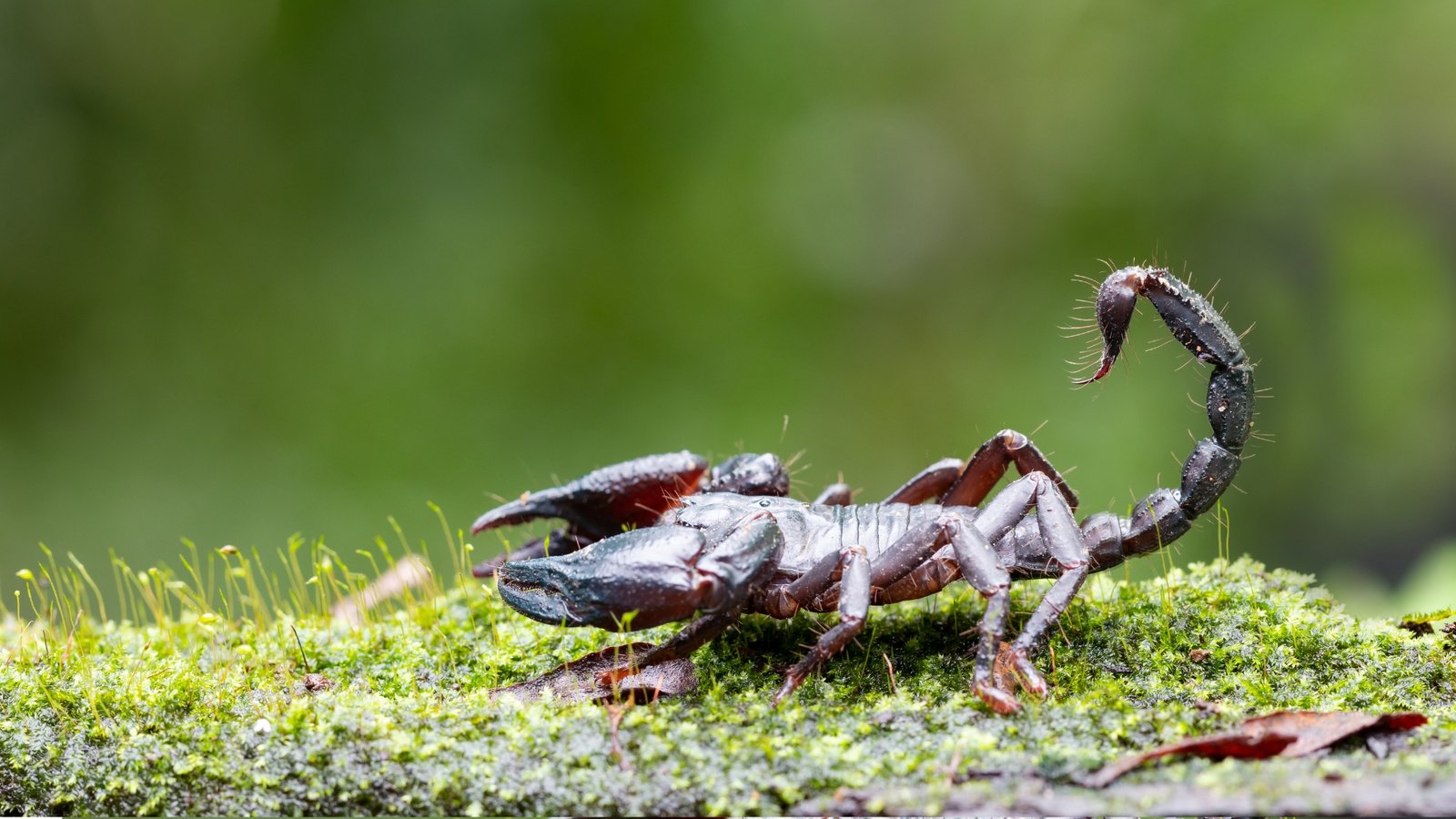
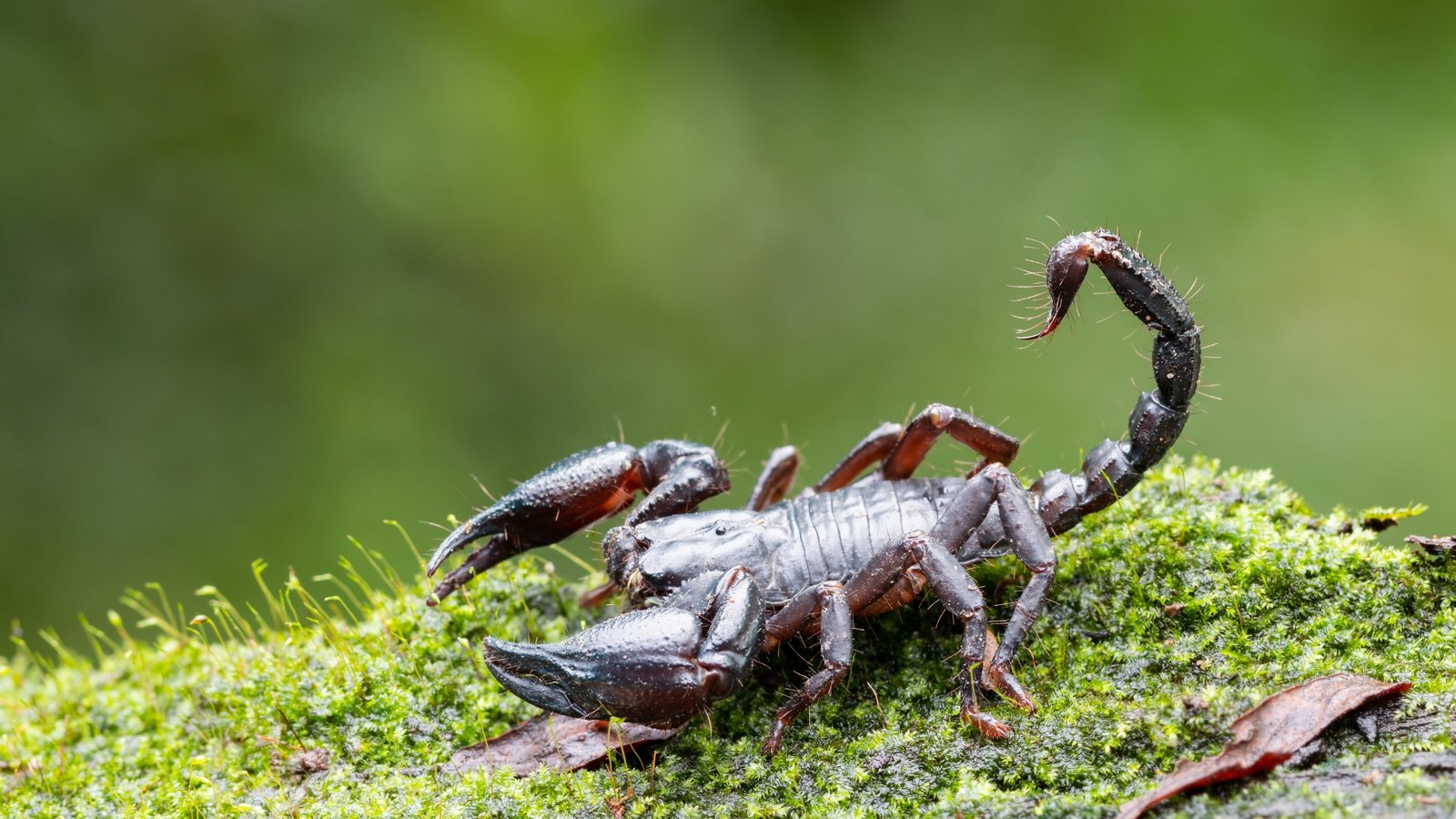
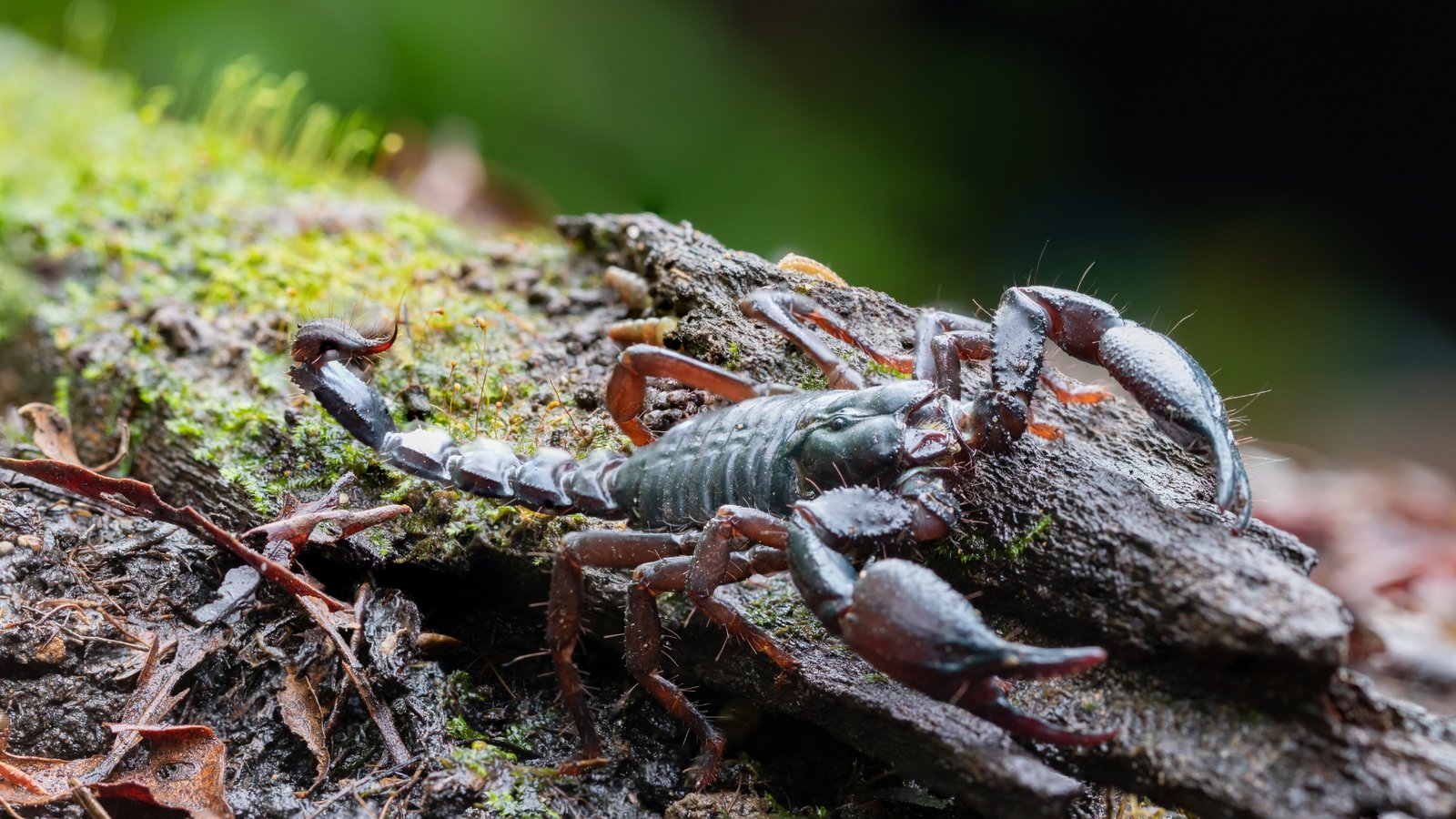
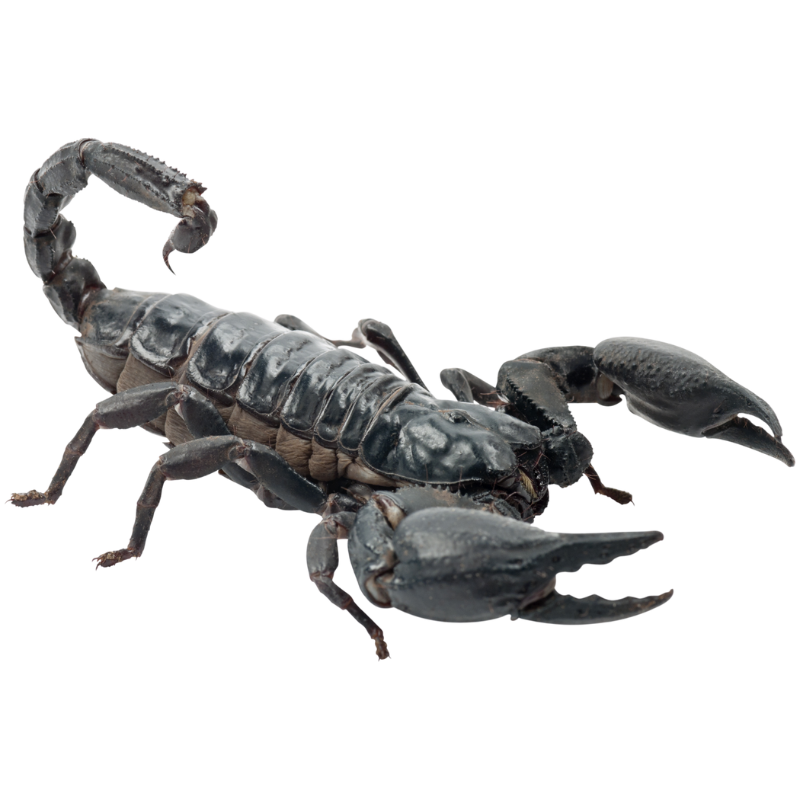
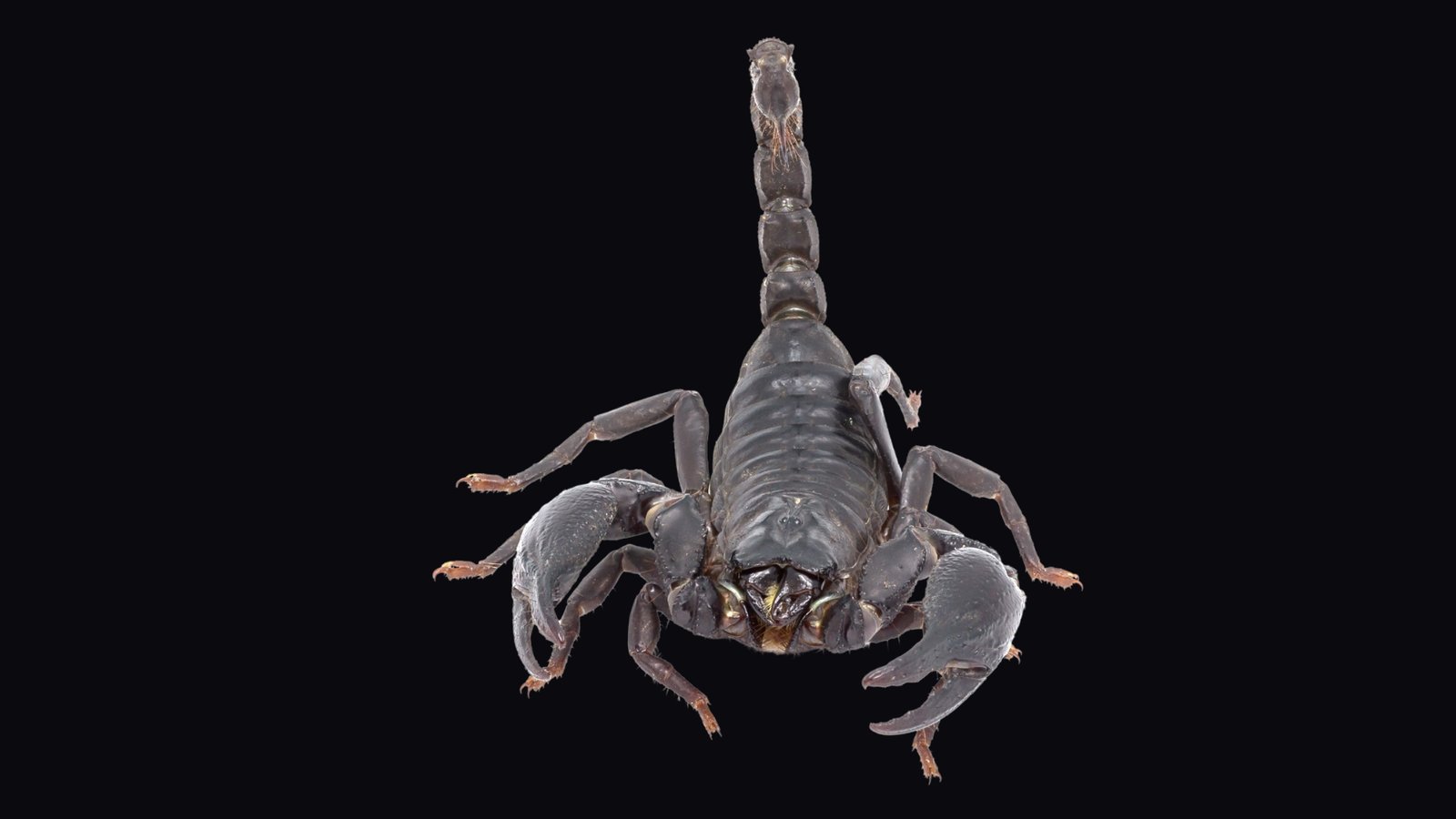
- Coloration / Pattern: Uniform jet-black to charcoal exoskeleton with a subtle satin sheen; chelae (pincers) broad and heavily granulated.
- Build / Form: Stocky terrestrial forest scorpion with large pedipalps, moderate tail (metasoma) length, and sturdy legs suited to leaf-litter and burrowing.
- Light Response: Fluoresces bright blue-green under UV/blacklight; avoid prolonged direct UV exposure.
Temperament
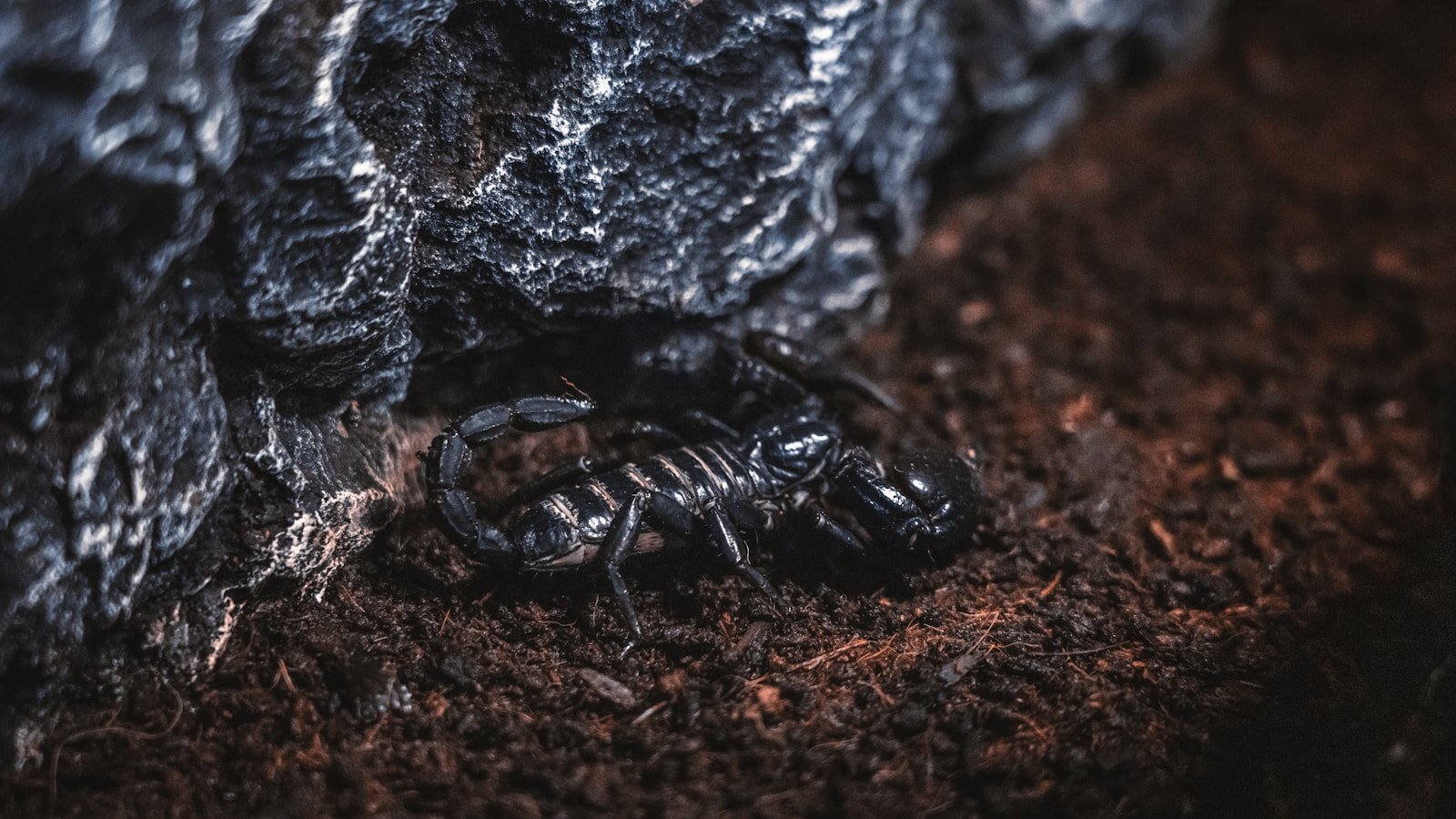
- Baseline: Shy to defensive; spends daylight hours hidden, emerges after dusk.
- Response to Disturbance: Backs into cover with raised pedipalps; may posture or deliver a warning pinch before stinging.
- Feeding Style: Ambush/opportunistic predator; most responsive at night shortly after lights-out.
Social Housing
- Primarily solitary. Limited group attempts have been made in spacious, complex enclosures with abundant hides and food, but cannibalism and resource guarding are risks. Default: house singly.
Quick Traits
Keeper Notes
- Stress Signs: Excessive roaming, persistent defensive postures, refusal to feed, remaining outside hides in bright light.
- Confidence Builders: Deep, lightly compacted substrate; multiple snug hides; low traffic; consistent feeding schedule at dusk.
- Display Tips: Use low-glare ambient lighting; for night viewing use red light or brief UV glimpses through UV-safe acrylic.
Care Requirements
Core setup and environmental targets to keep Heterometrus longimanus thriving.
Enclosure Setup
Type: Terrestrial forest/burrowing.
Minimum Size: ~18″×18″×12″ (45×45×30 cm) footprint for a single adult; larger is welcome.
Safety: Secure, escape-proof lid/doors; cross-ventilation; thermostat-controlled side heat source with cable management.
Furnishing Guide
- Size: Comparable to 20 L or 30–40 L terrestrial terrarium.
- Lid: Fine mesh or locking front to retain humidity while allowing airflow.
- Hides: Snug cork rounds/slabs and leaf-litter for tight retreats.
- Enrichment: Bark, branches, and anchor points for climbing and cover.
Substrate
- Blend: 60% coco-fiber, 30% organic topsoil (no fertilizers), 10% clay/sand for structure.
- Depth: 4–6″ (10–15 cm); lightly compact lower layers to support burrows.
- Purpose: Burrowing, humidity buffering, and secure footing.
Habitat
- Water: Shallow, stable dish; refresh 2–3× weekly; overflow slightly to keep nearby substrate moist.
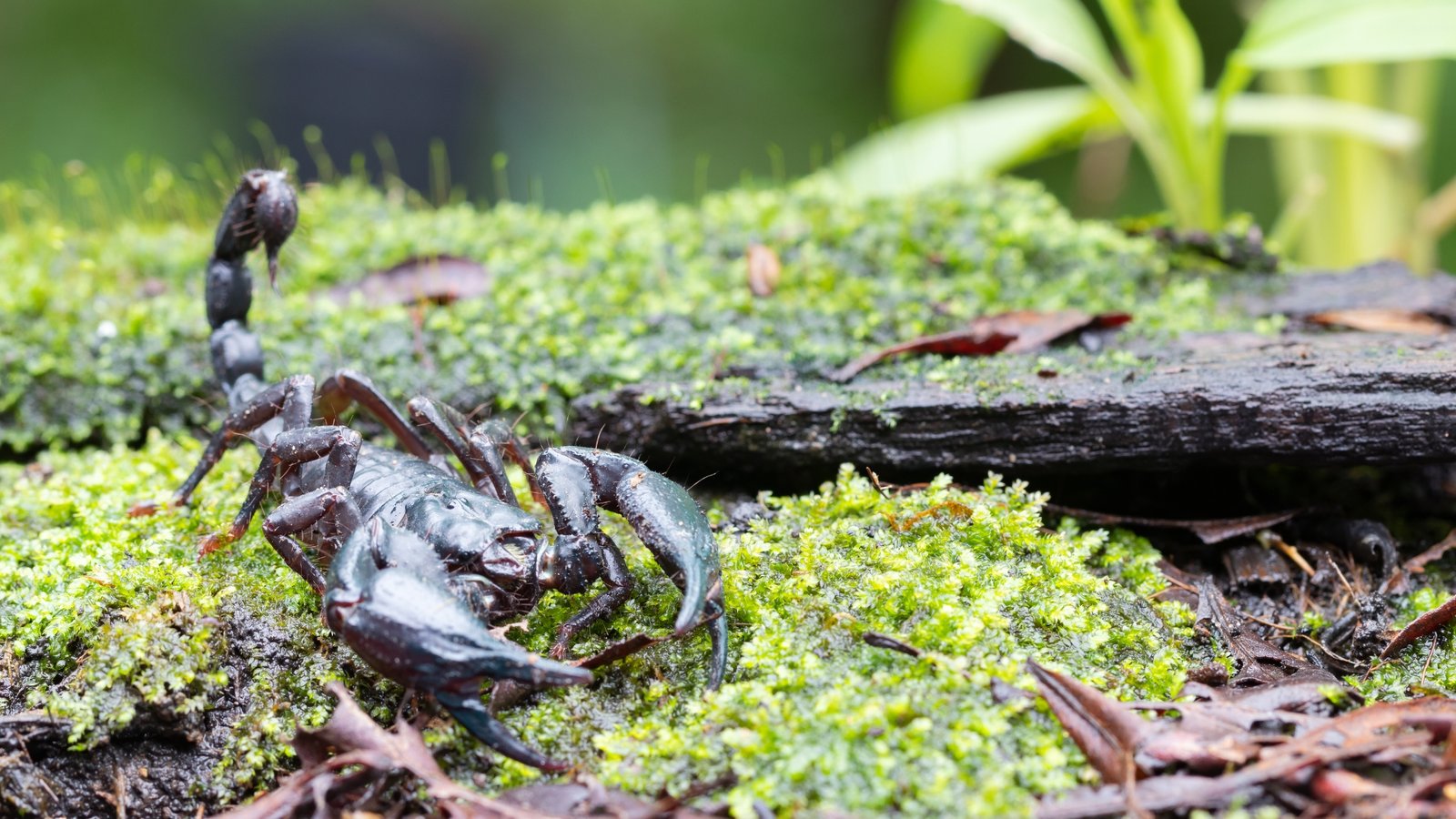
- Décor: Cork bark, leaf-litter, smooth rocks, and hardy live plants (pothos, philodendron) if desired.
- Behavior Fit: Primarily ground-oriented with occasional climbing; appreciates cluttered, dim retreats.
Environment Targets Set & monitor
Lighting
Ambient room light is sufficient; no UVB required. Maintain a ~12L:12D photoperiod. For night viewing, use red light or brief, UV-safe blacklight observation.
Food & Water
- Juveniles: Small crickets/roaches 2–3× weekly (prey ~⅓ body length).
- Adults: Appropriately sized dubia/locusts or large crickets 1× weekly; offer 1–2 items and remove uneaten prey by morning.
- Hydration: Clean water dish always; occasional light misting to maintain microclimate.
- Best Time to Feed: Dusk to early night.
Cleaning
- Spot-Clean: Remove uneaten prey, waste, and mold after feedings.
- Deep Clean: Refresh substrate every 4–6 months; rinse décor in hot water only (no chemicals).