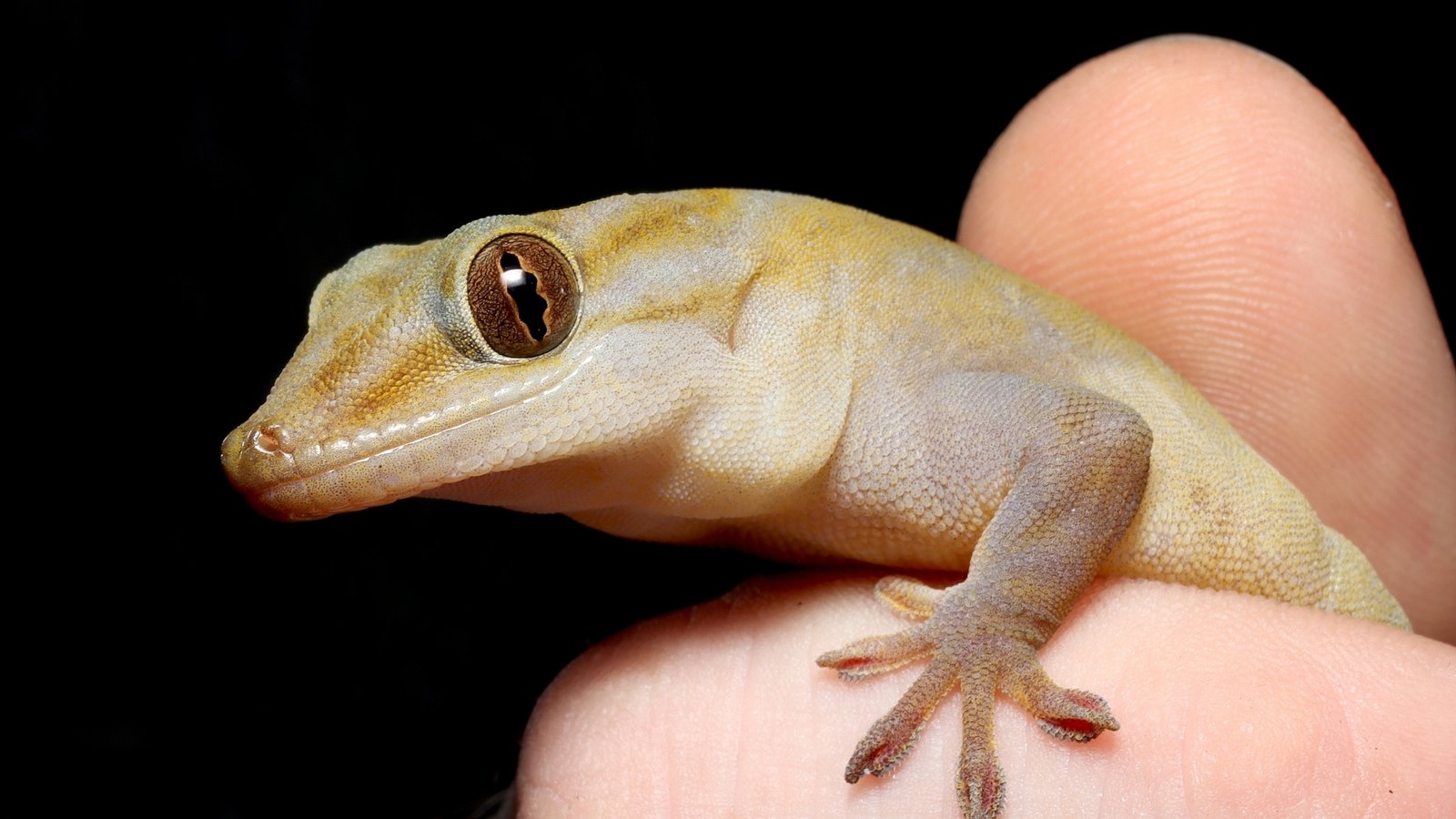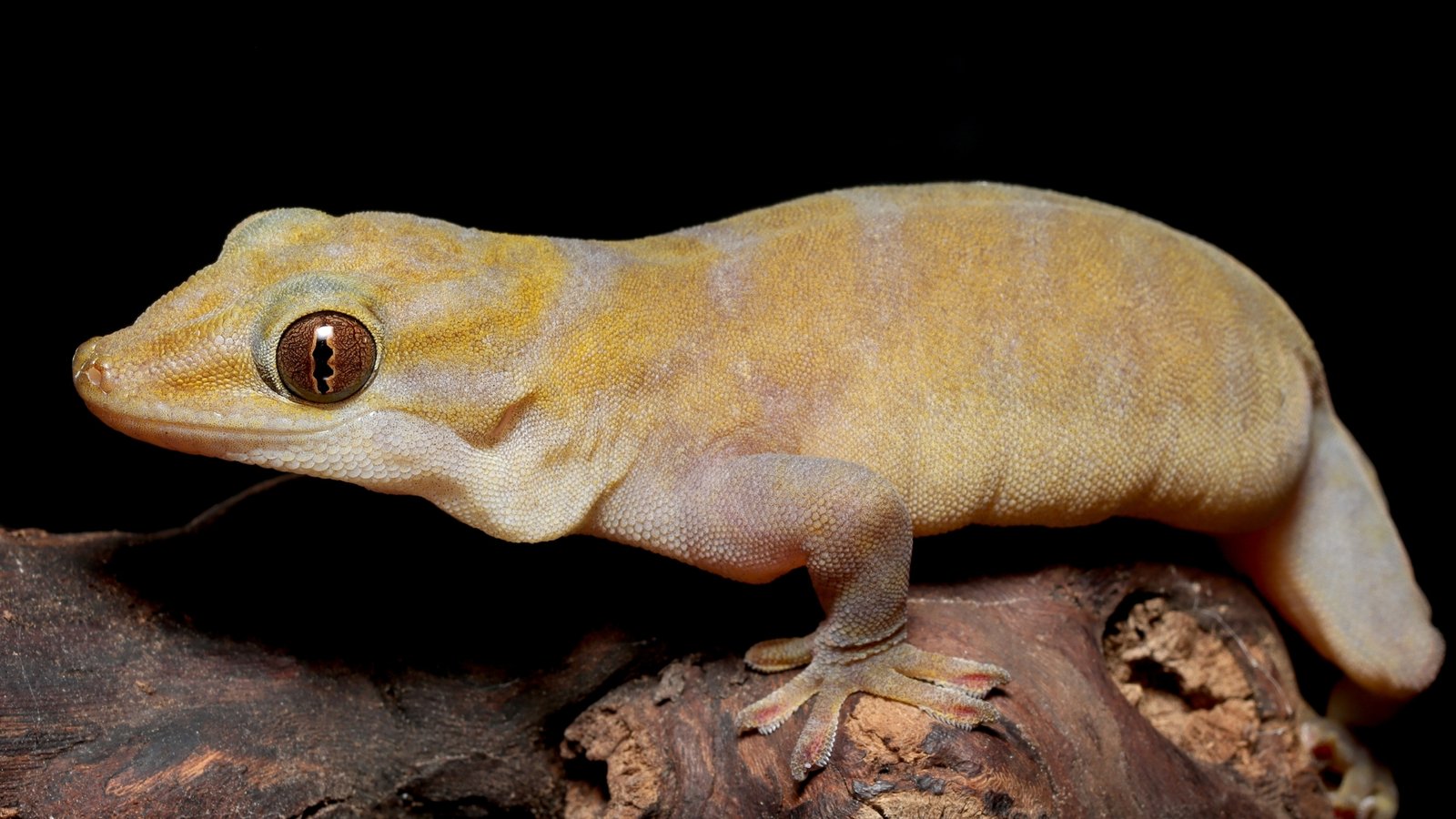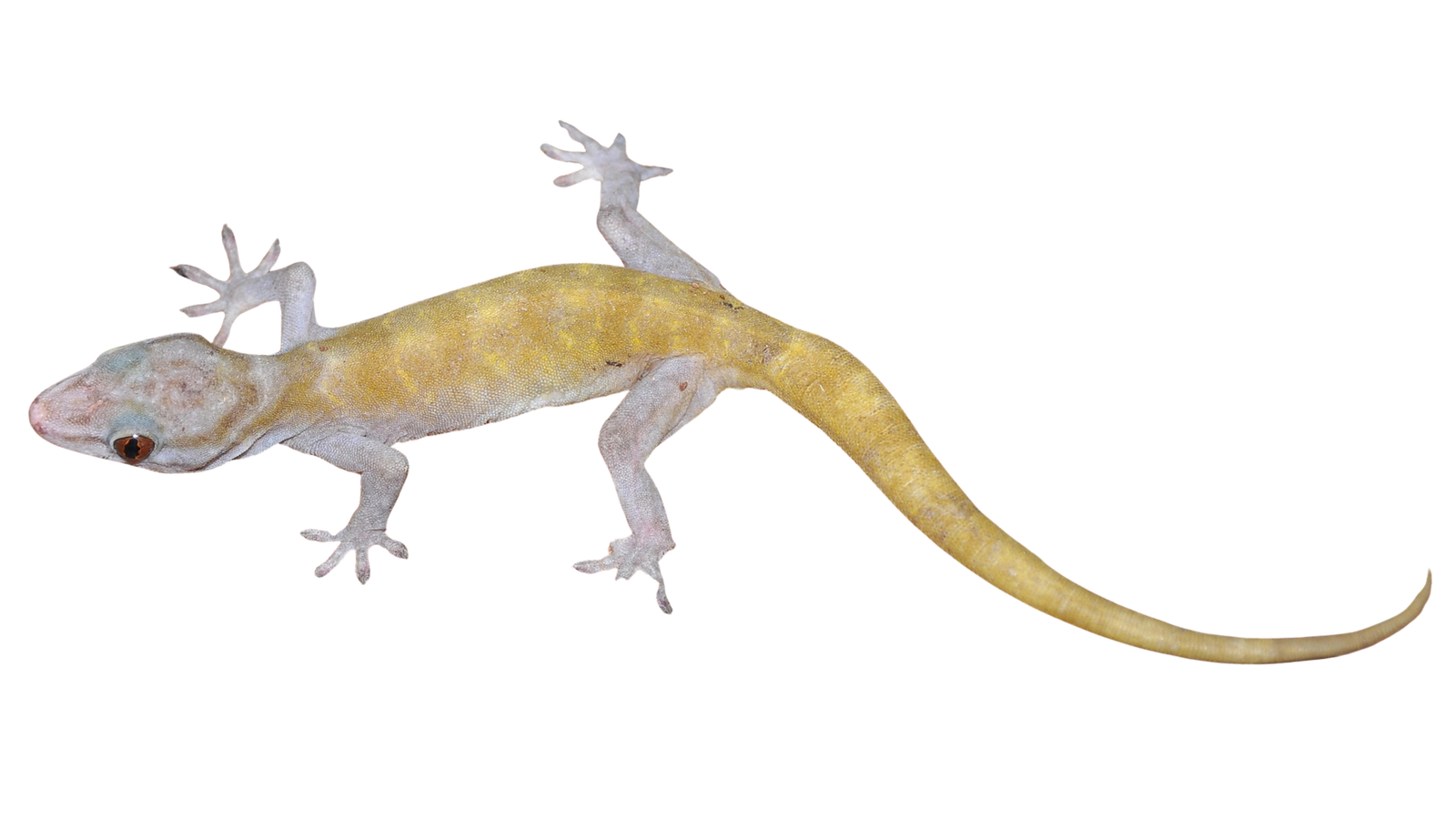
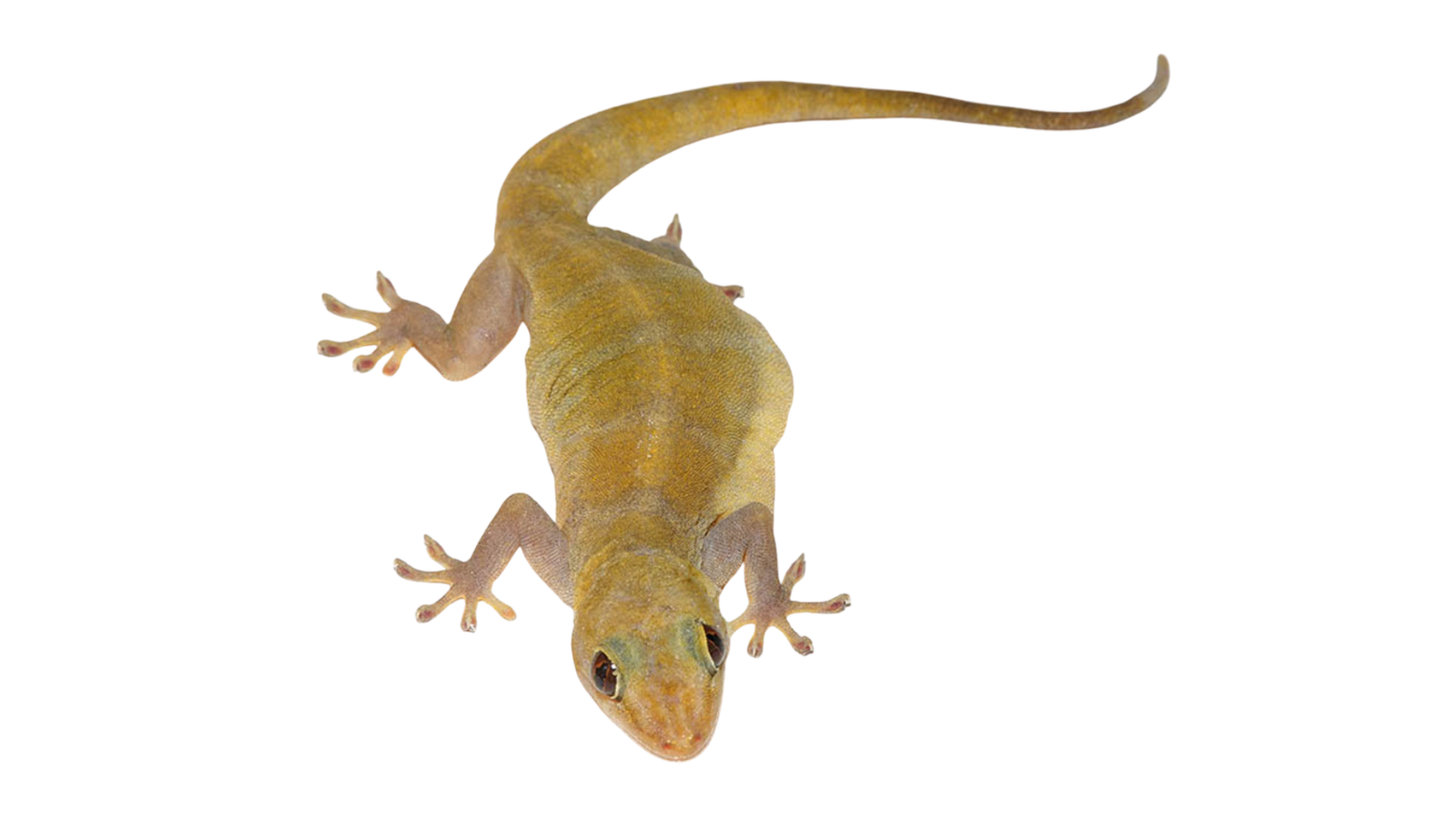
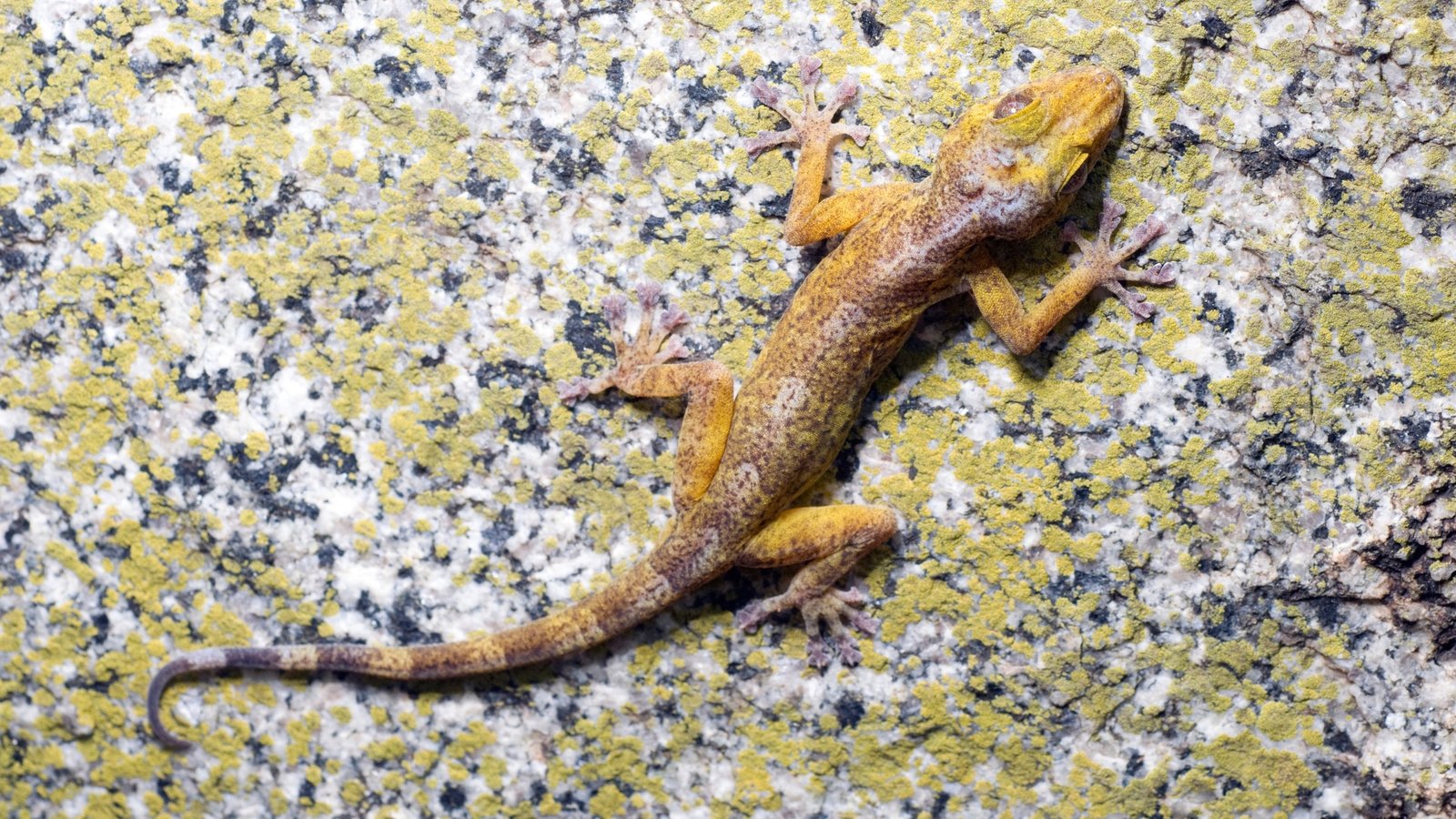
Golden Geckos (Gekko ulikovskii) — Introduction & Overview
Golden Geckos are striking arboreal lizards named for their rich yellow-olive tones and velvety sheen. By night they patrol vertical surfaces with sticky toe pads, peeking from behind foliage and cork to watch the world go by. While they are not a “hands-on” gecko, they reward patient, mostly observational keepers with active nocturnal behavior, impressive feeding responses, and a bold, jungle-canopy vibe inside even a modest enclosure.
Why Keep This Species
- Beautiful golden and mossy-green coloration that glows under warm, naturalistic lighting.
- Hardy, forgiving husbandry when temperature and humidity are kept in a reasonable tropical range.
- Engaging nocturnal activity and feeding behavior that makes an excellent display animal for bedrooms or offices.
Keeper Profile
- Handling stance: primarily hands-off; best enjoyed as a display gecko rather than a “pet to hold.”
- Climate targets: warm, slightly humid tropical conditions with a gentle night-time temperature drop.
- Habitat approach: tall, well-ventilated enclosure with vertical climbing space, dense foliage, and secure hides.
Keeper’s Summary
A thriving Golden Gecko setup focuses on vertical space, cluttered cover, and stable warmth. Provide a tall, escape-proof terrarium with cork tubes, branches, and plants to break line of sight, a moisture-retentive substrate to support humidity, and a shallow water dish with regular misting for hydration. Feed a mix of gut-loaded insects and quality commercial gecko diet in the evening, avoid unnecessary handling, and perform quiet spot-cleaning to keep this lightly skittish but hardy gecko confident and visible.
🐾 Golden Gecko — Gekko ulikovskii
- Common Name(s): Golden Gecko
- Scientific Name: Gekko ulikovskii
- Native To: Tropical forested regions of Southeast Asia (humid, warm, arboreal habitats).
- Adult Size: Around 7–8 in (18–20 cm) total length, including tail.
- Life Span: Approximately 8–12+ years in well-managed captivity.
- Difficulty: Beginner–Intermediate (hands-off, display-focused gecko).
Characteristics & Temperament
Golden Geckos (Gekko ulikovskii) are agile, lightly built arboreal geckos known for their striking golden-olive coloration and fast, alert personalities. While naturally shy, captive-bred individuals often adapt well to calm environments and can tolerate short, gentle handling sessions when approached with patience and care.
Appearance
Coloration / Pattern: Warm golden-olive to mossy-green tones with subtle mottling and a pale underside. Skin reflects light
softly, giving them a velvety sheen.
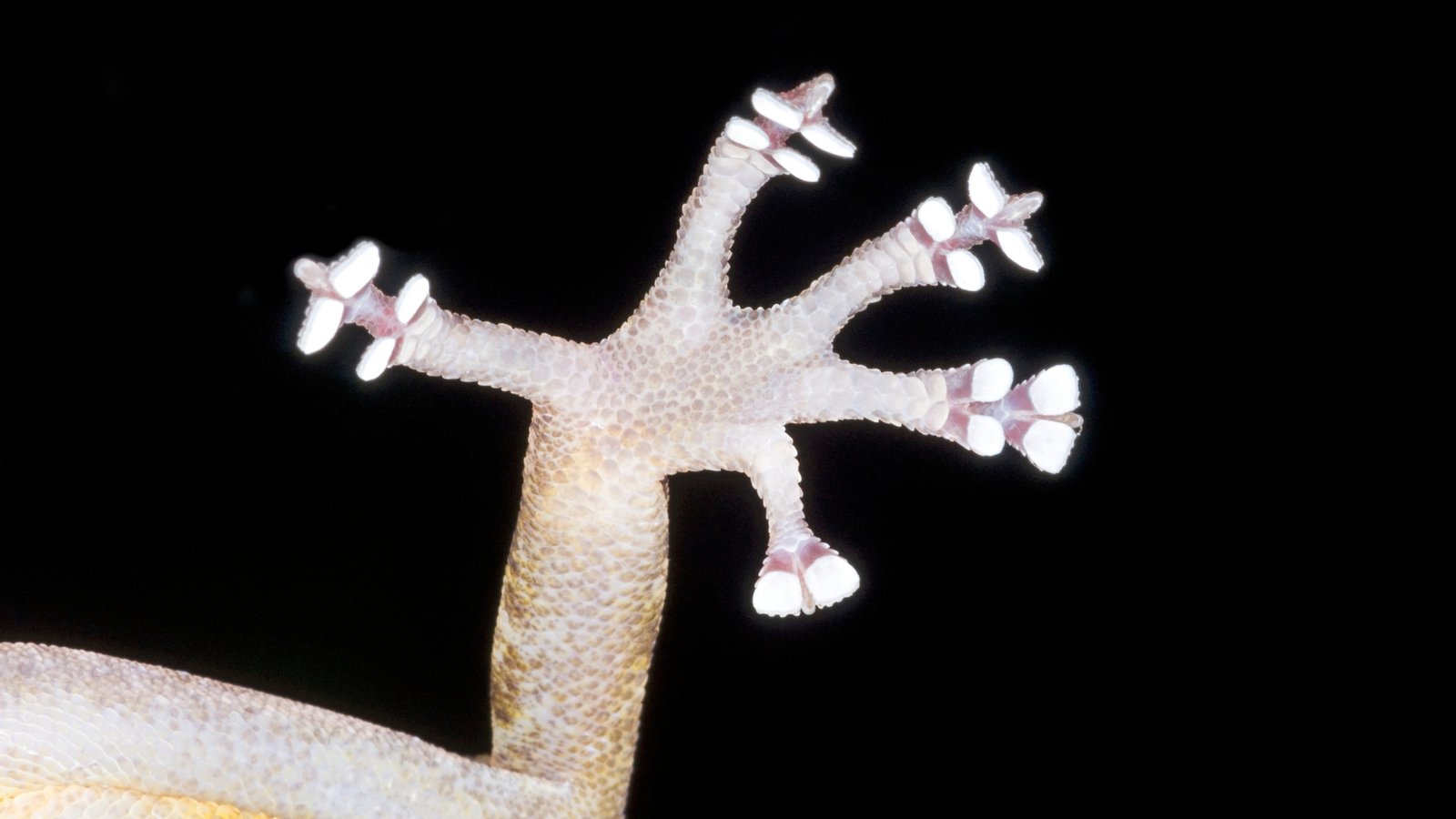
Build / Form: Slender body, wide toe pads for climbing, expressive eyes, and a tail capable of autotomy when stressed.
Light Response: Does not fluoresce strongly under UV, but directional lighting enhances gold and green highlights.
Temperament
Baseline: Shy to semi-bold, mostly hiding during daytime and emerging at dusk for exploration.
Response to Disturbance: May freeze, dart, or leap; steady, slow movements greatly reduce stress. Tail-drop risk exists
but is manageable with proper techniques.
Feeding Style: Active hunter; eagerly pursues crickets, roaches, and also accepts commercial gecko diets in evening hours.
Social Housing
Best kept singly. Large, planted enclosures may support pairs or harems with careful monitoring, but solitary housing remains the most reliable for stress-free care.
Quick Traits
Keeper Notes
- Stress Signs: Dark coloration, frantic darting, prolonged hiding, refusal to feed.
- Confidence Builders: Tall cluttered enclosures, dense foliage, elevated hides, low room traffic.
- Display Tips: Side/top lighting, dark backgrounds, observe with dim or red lighting during evening activity.
Care Requirements
Core setup and environmental targets to keep Gekko ulikovskii thriving. Adjust specific numbers to match your room conditions and local climate, but keep the overall tropical, arboreal theme consistent.
Enclosure Setup
Type: Arboreal display enclosure with strong vertical emphasis.
Minimum Size: For a single adult, aim for at least 12″ × 12″ × 18″ (30 × 30 × 45 cm), with 18″ × 18″ × 24″ (45 × 45 × 60 cm)
or larger strongly preferred.
Safety: Escape-proof doors or lid, fine mesh or secure vents, and well-managed cables for any heat or lighting.
- Size: Example upgrade: 18″ × 18″ × 24″ glass or PVC terrarium.
- Lid: Tight-fitting mesh or locking front-opening doors with upper ventilation.
- Hides: Cork tubes, stacked cork flats, leafy artificial or live plants, and dark retreats high on the walls.
- Enrichment: Branches, bamboo, vines, background panels, and multiple pathways between hides.
Substrate
Blend: Moisture-retentive yet well-draining mix such as coco fiber, fine bark, and leaf litter, optionally with a drainage
layer beneath.
Depth: 2–3 in (5–8 cm) for bioactive or semi-bioactive builds; can be shallower in simple setups.
Purpose: Supports humidity, plant roots, microfauna, and stable footing for landings and hunting.
Habitat
- Water: Shallow water dish refreshed daily, plus regular misting so the gecko can drink droplets from leaves and décor.
- Décor: Cork, vines, branches, broad leaves, and background texture to create a cluttered “tree trunk and canopy” feel.
- Behavior Fit: Designed for a climbing, surface-clinging gecko that prefers to perch vertically and retreat into tight hides.
Environment Targets Set & forget (monitor)
Lighting
Ambient room light plus a low-intensity overhead LED for plant and display lighting works well. A low-output UVB strip (e.g. 2–5%) is recommended for long-term bone and overall health when provided with ample shaded retreats. Maintain roughly a 12L:12D photoperiod, adjusting seasonally if desired.
Food & Water
- Juveniles: Small, gut-loaded crickets, roaches, and other appropriately sized insects offered 4–5× per week, with a tiny dish of fruit-based gecko diet available several evenings per week.
- Adults: Medium insects (crickets, dubia roaches, the occasional worm) 2–3× per week, plus a quality prepared gecko diet 1–2× per week as a supplemental staple.
- Hydration: Fresh water dish at all times, plus evening misting so the gecko can drink from leaves and glass.
- Best Time to Feed: Late evening, shortly after lights dim, when the gecko naturally becomes active.
Cleaning
- Spot-Clean: Remove uneaten insects, feces, and shed skin as you notice them, ideally during the day when the gecko