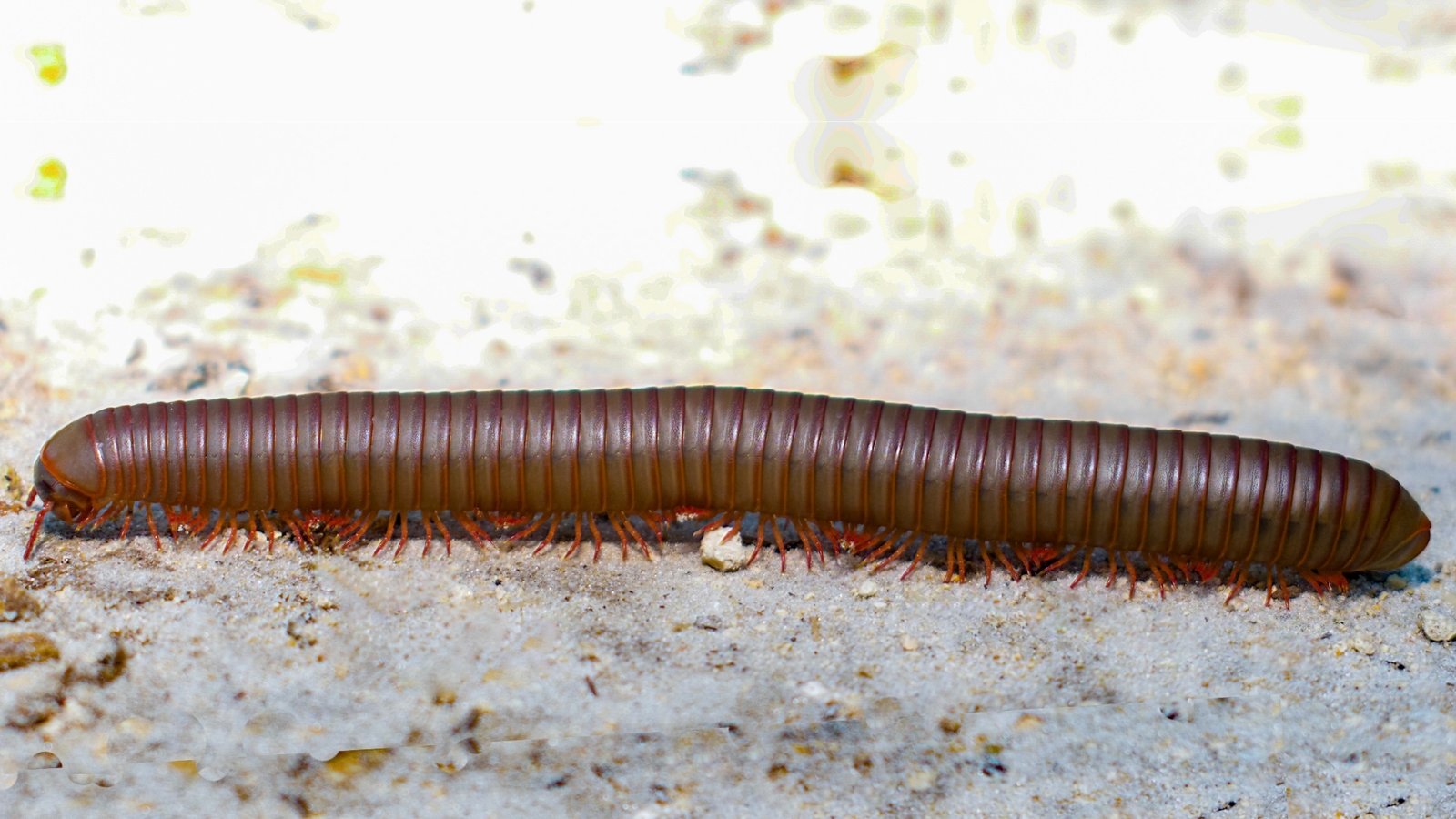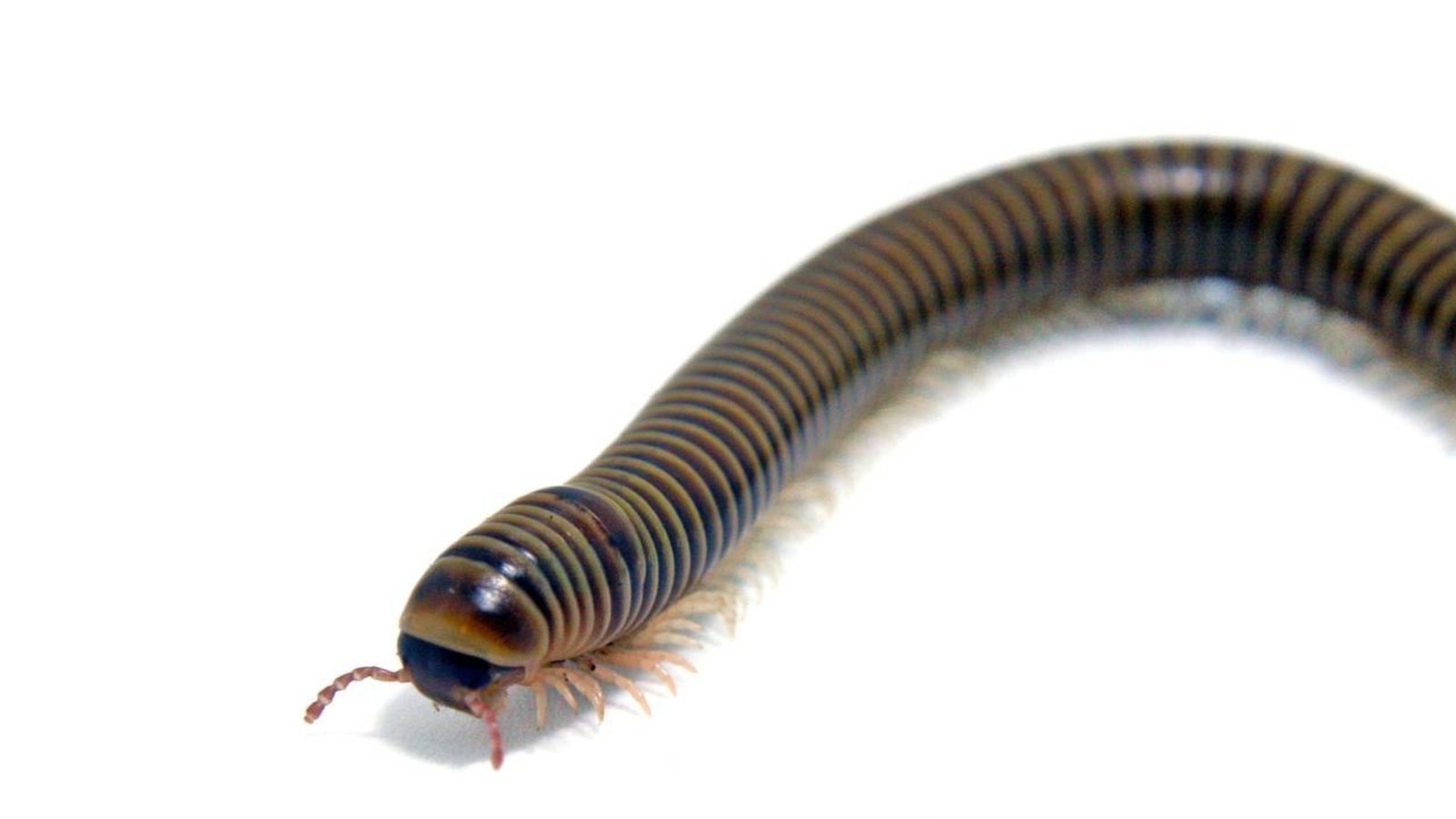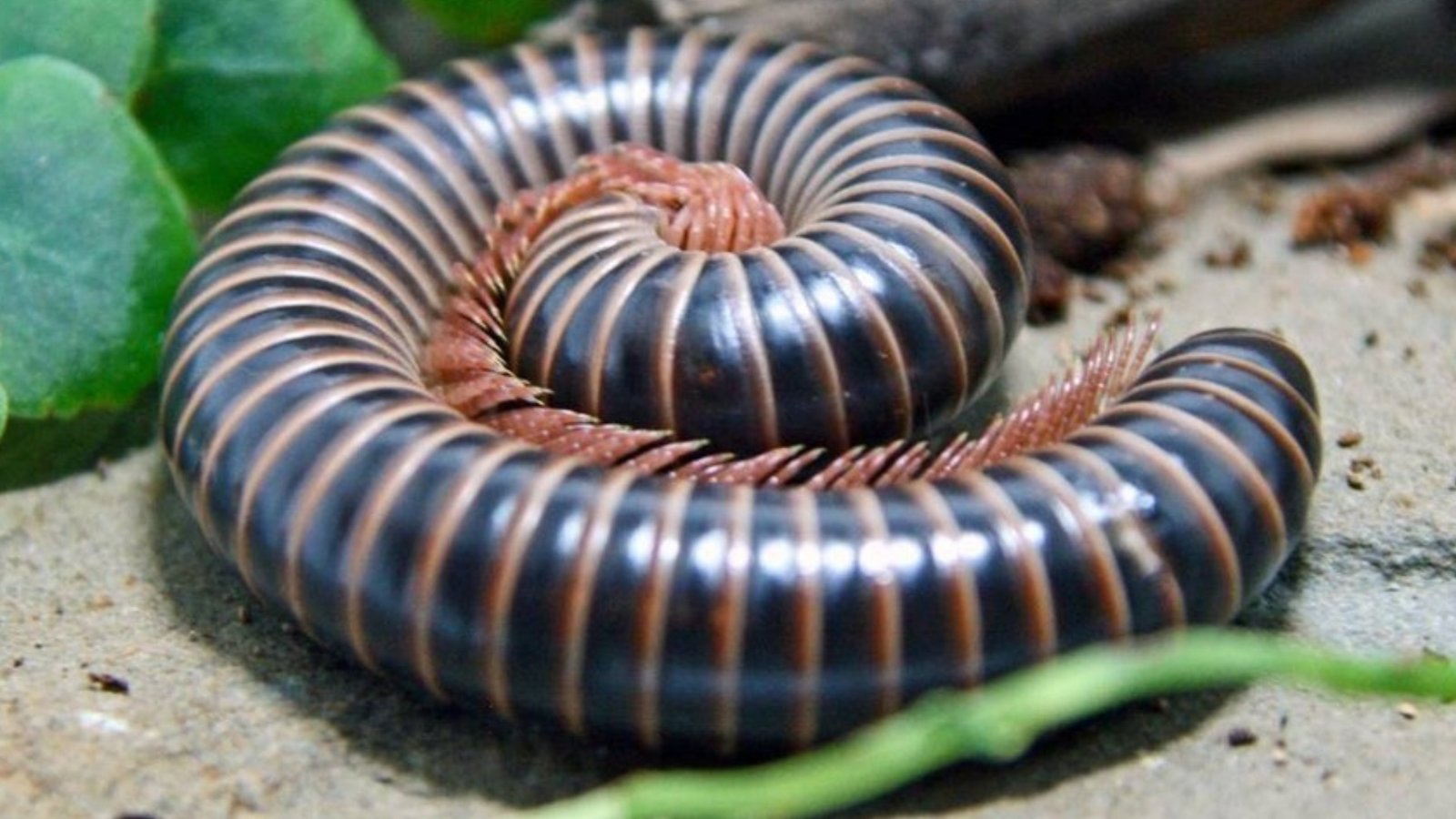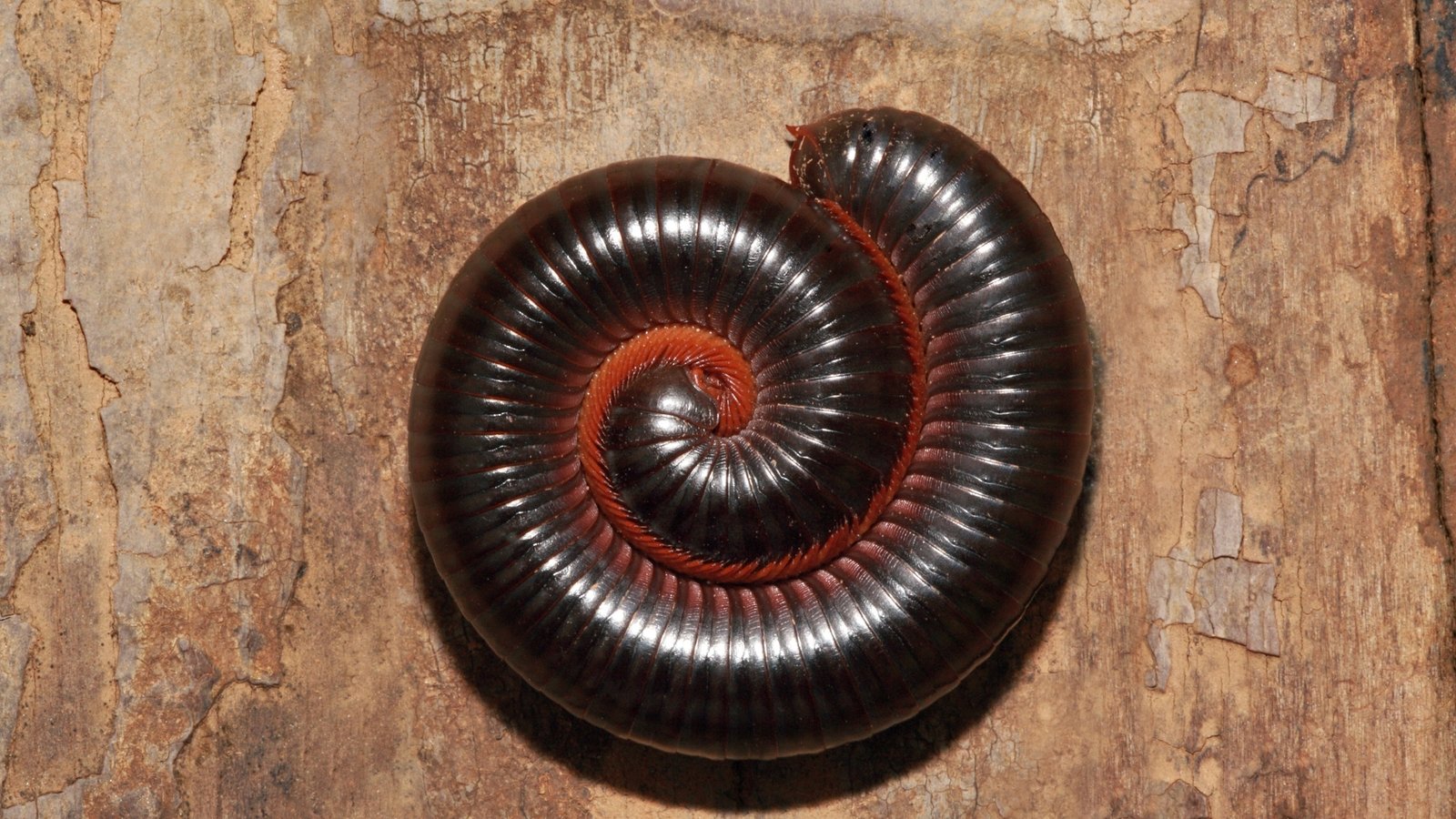
Giant Pink Foot Millipedes (Narceus americanus) — Introduction & Overview
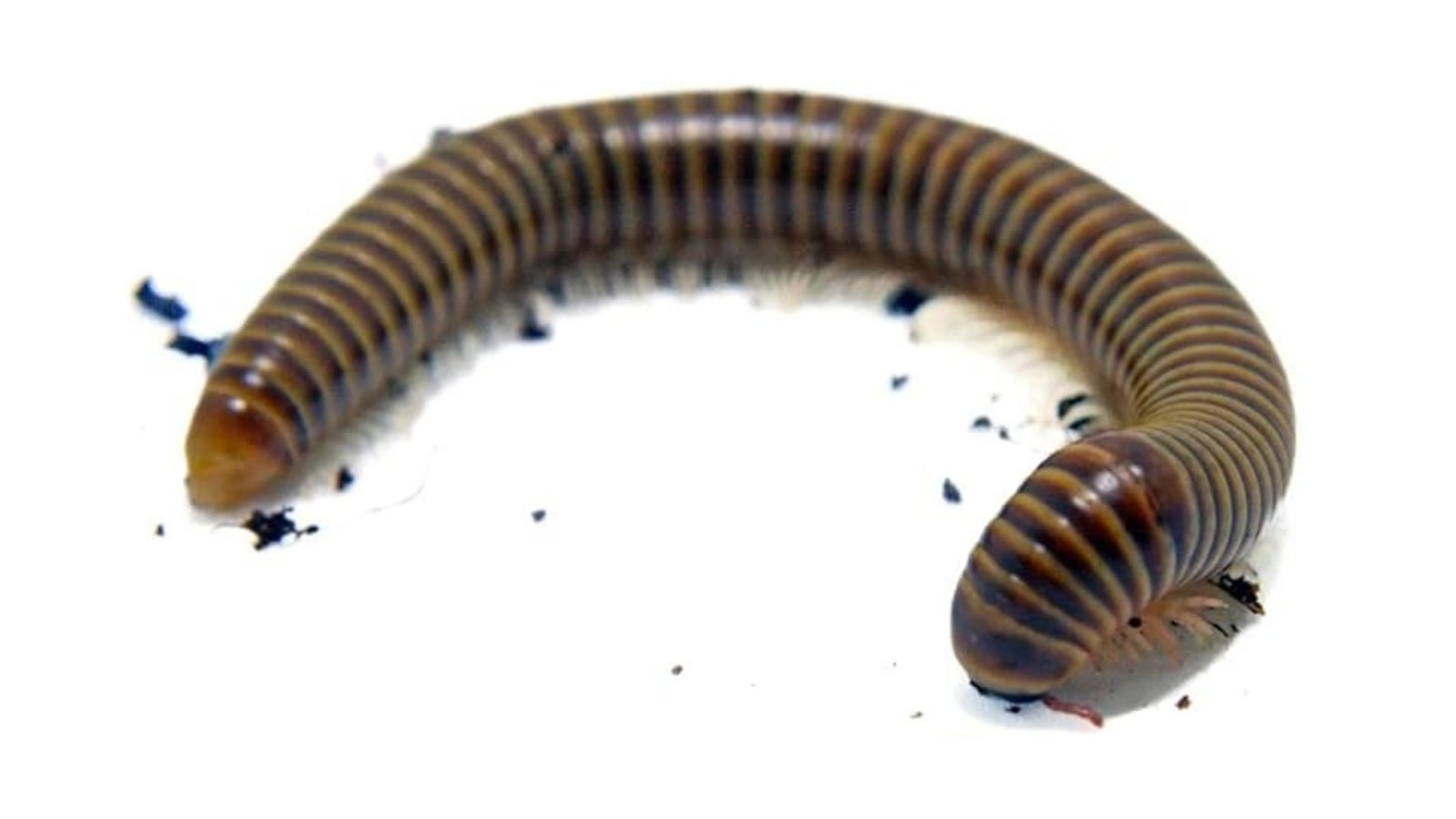
Welcome, MYCO-EMPORIUMS, to one of the most peaceful, roly-poly earth guardians you can bring into your Myco-Labs. Giant Pink Foot Millipedes (Narceus americanus) roam like slow, gentle forest noodles with tiny pastel feet that look dipped in bubblegum blush. No UV rave mode, no chaos tendencies — just wholesome subterranean vibes. They glide through leaf litter with hypnotic wave-motion legs, recycling nature’s leftovers like tiny environmental wizards.
Why Keep This Species
- Watching the soft pink feet ripple in synchronized motion makes EMPORIUMS freeze in awe.
- Extremely hardy detritivores — perfect for busy Myco-EMPers balancing multiple LIVE SPECIMENS.
- Fantastic educational ambassadors for decomposition, soil ecosystems, and the forest nutrient cycle.
Keeper Profile
- Excellent for Beginner to Intermediate Myco-EMPers.
- Handling expectations: occasional & gentle — calm, slow, cooperative.
- Prefers 72–78°F and humid forest-floor vibes around 65–85%.
Keeper’s Summary
Giant Pink Foot Millipedes (Narceus americanus) thrive in roomy terrestrial enclosures with deep, rich substrate, tons of leaf litter, rotting wood, and stable humidity. They graze on decaying plant material plus veggie treats and calcium sources a few times weekly. Hands-on time should be slow and minimal, focusing on calm transfer and stable surfaces. Pro Tip: Add multiple layers of rotten hardwood — they eat it like cosmic cereal and stay plump, hydrated, and glowing with forest-floor serenity.
🐾 [Giat Pink Foot Millpedes — [Narceus americanus]
- Common Name(s): Giant Pink Foot Millipede, American Giant Millipede
- Scientific Name: Narceus americanus
- Native To: Eastern & Southeastern United States forests
- Adult Size: 4–5.5 inches (10–14 cm)
- Life Span: 5–10 years with proper humidity & diet
- Difficulty: Beginner-Friendly / Easy for all Myco-EMPers
Characteristics & Temperament
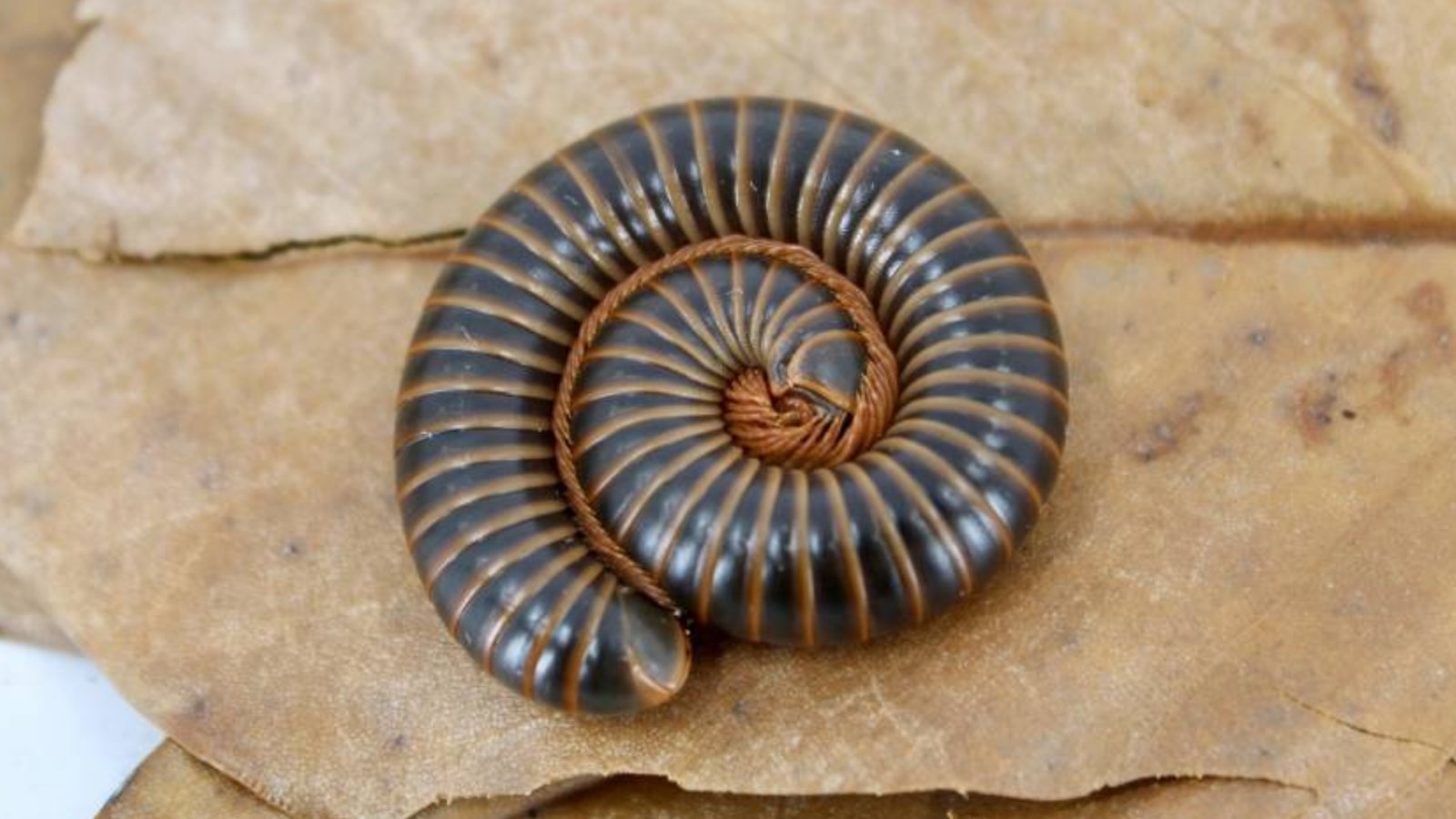
Narceus americanus is the woodland monk of the detritivore world — peaceful, slow, and endlessly busy turning leaf litter into nutrient gold. When a Myco-EMPer approaches, they usually freeze, curl gently, or continue their steady cruise. No threat displays, no bite attempts, no chaos energy — just eco-alchemy in motion.
Appearance
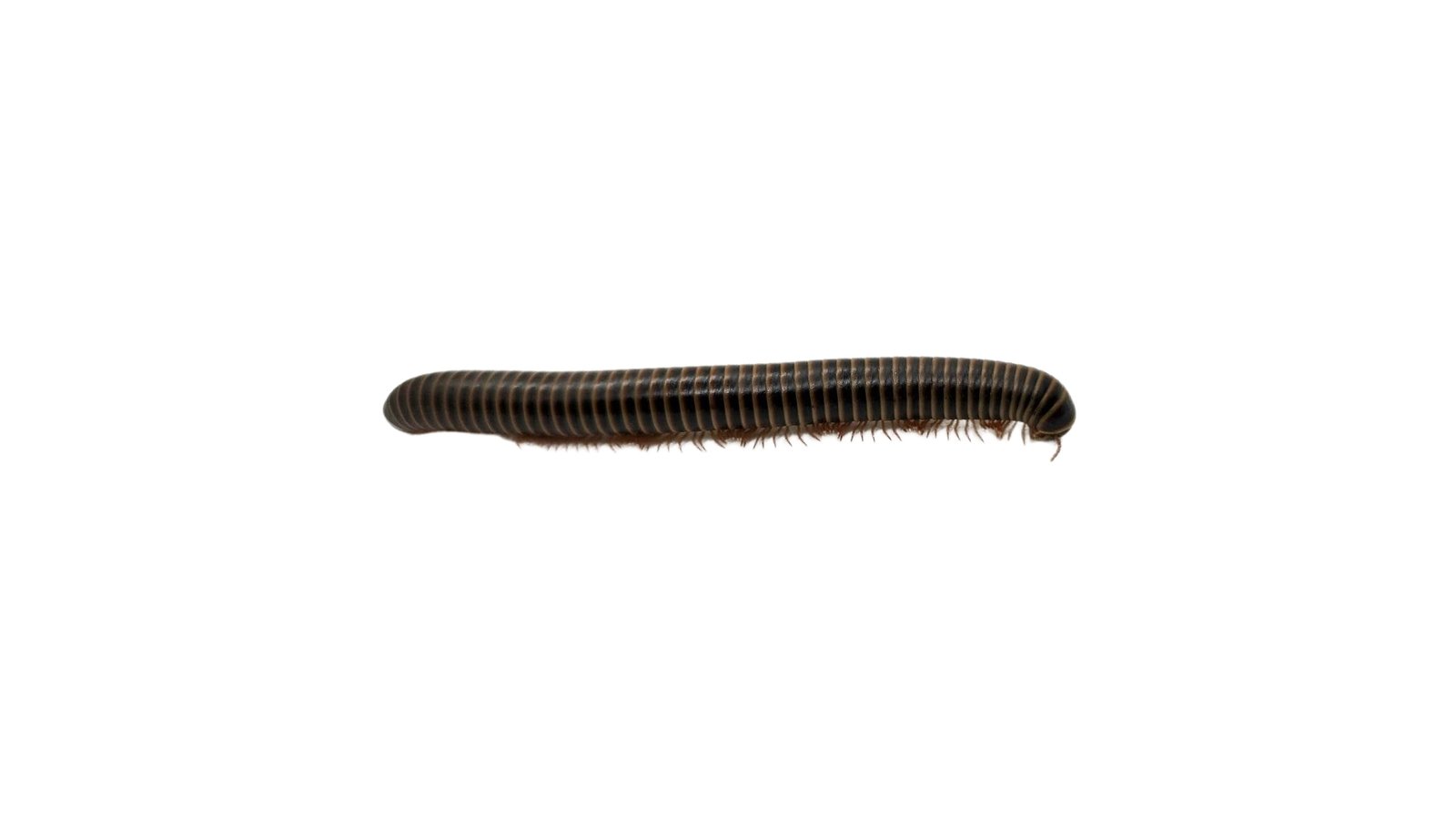
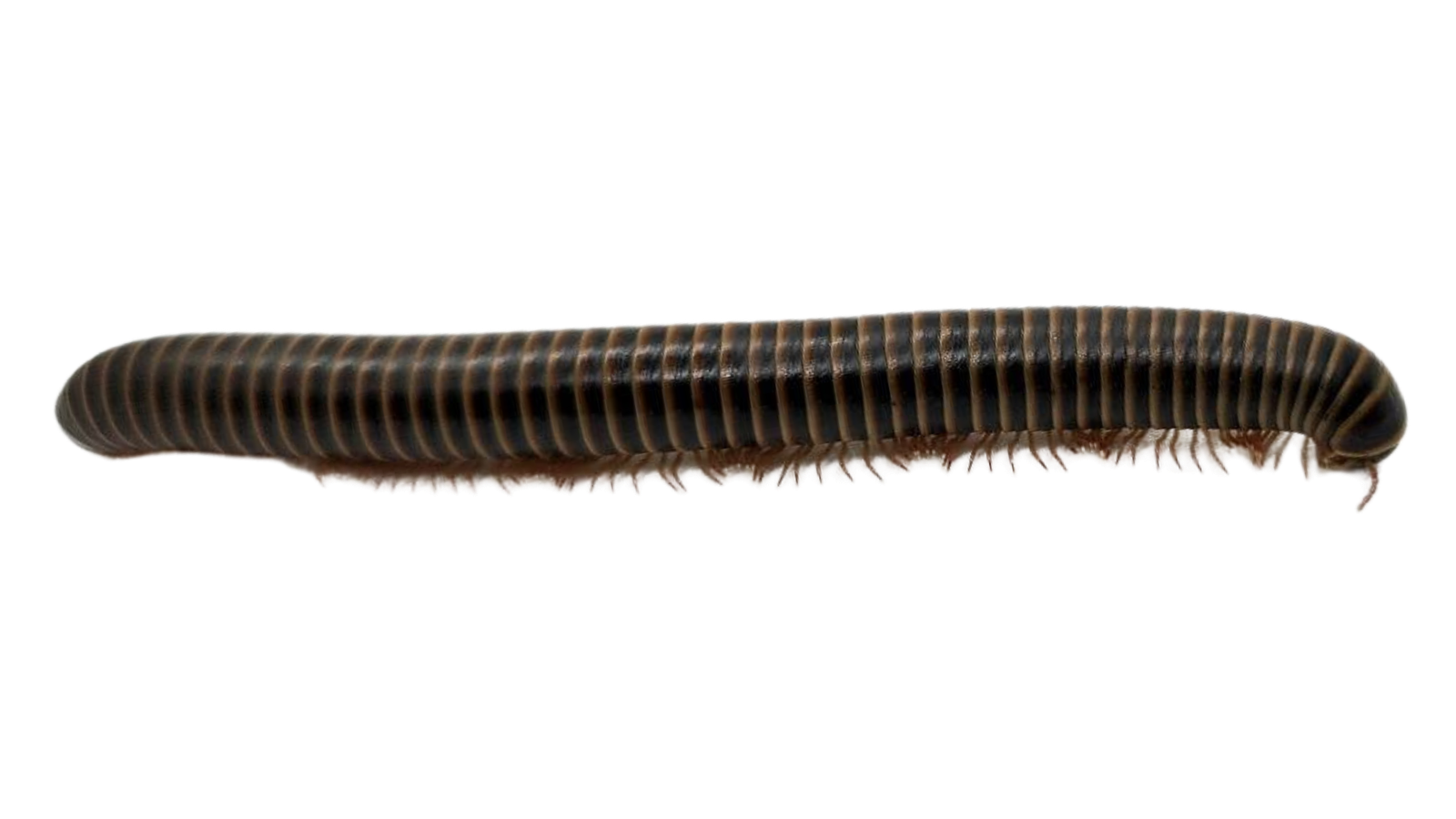
Coloration: Deep brown to charcoal with soft pink legs.
Body Form: Rounded, armored cylinder built for burrowing.
UV Reaction: None — natural matte forest tones only.
Temperament
Personality: Ultra-calm, shy, and tolerant.
Activity: Nocturnal; enjoys evening humidity boosts.
Feeding: Detritivore — leaf litter, decayed wood, veggie scraps.
Social Housing
Fully communal; thrives in peaceful groups with shared resources.
Quick Traits
UV Responsive: No Activity: Low–Medium Social: Communal Handling: Observe-Not-DisturbKeeper Notes
- Stress signs: Tight curling, hiding constantly, refusing food.
- Confidence tips: Deep moist substrate, leaf litter, dark hides.
- Display advice: Use cork tunnels for surface-viewing without stress.

Care Requirements
Core setup targets to keep Narceus americanus thriving in the Myco-Labs or your home micro-forest.
Enclosure Setup
Type: Terrestrial, deep-substrate environment.
Minimum Size: 12″×12″×12″ for 1–2; larger for colonies.
Safety: Secure lid with cross-ventilation; high humidity retention.
- Size: 10–20L recommended
- Lid: Mesh with humidity-retaining panels
- Hides: Cork tubes, bark slabs, leaf piles
- Enrichment: Decaying hardwood chunks, moss pockets
Substrate
Blend: 6–8″ of organic soil, coco fiber, leaf litter, rotten wood.
Depth: Minimum 4″; deeper preferred.
Purpose: Burrowing, moisture buffering, nutrient cycling.
Habitat
- Water: Light misting; shallow cap for humidity only.
- Décor: Logs, bark, moss, leaf litter layers.
- Behavior Fit: Burrower & forest-floor wanderer.
Environment Targets Set & Monitor
Lighting
Ambient room light only; avoid bright, direct lights. 12L:12D cycle recommended.
Food & Water
- Juveniles: Soft leaf litter, crushed rotten wood; offer weekly veggie bits.
- Adults: Leaf litter, decaying hardwood, veggies (carrot, squash, cucumber).
- Hydration: Daily misting; do not use deep water dishes.
- Best Time to Feed: Evening/night.
Cleaning
- Spot-Clean: Remove mold patches or uneaten veggies.
- Deep Clean: Replace substrate every 4–6 months.