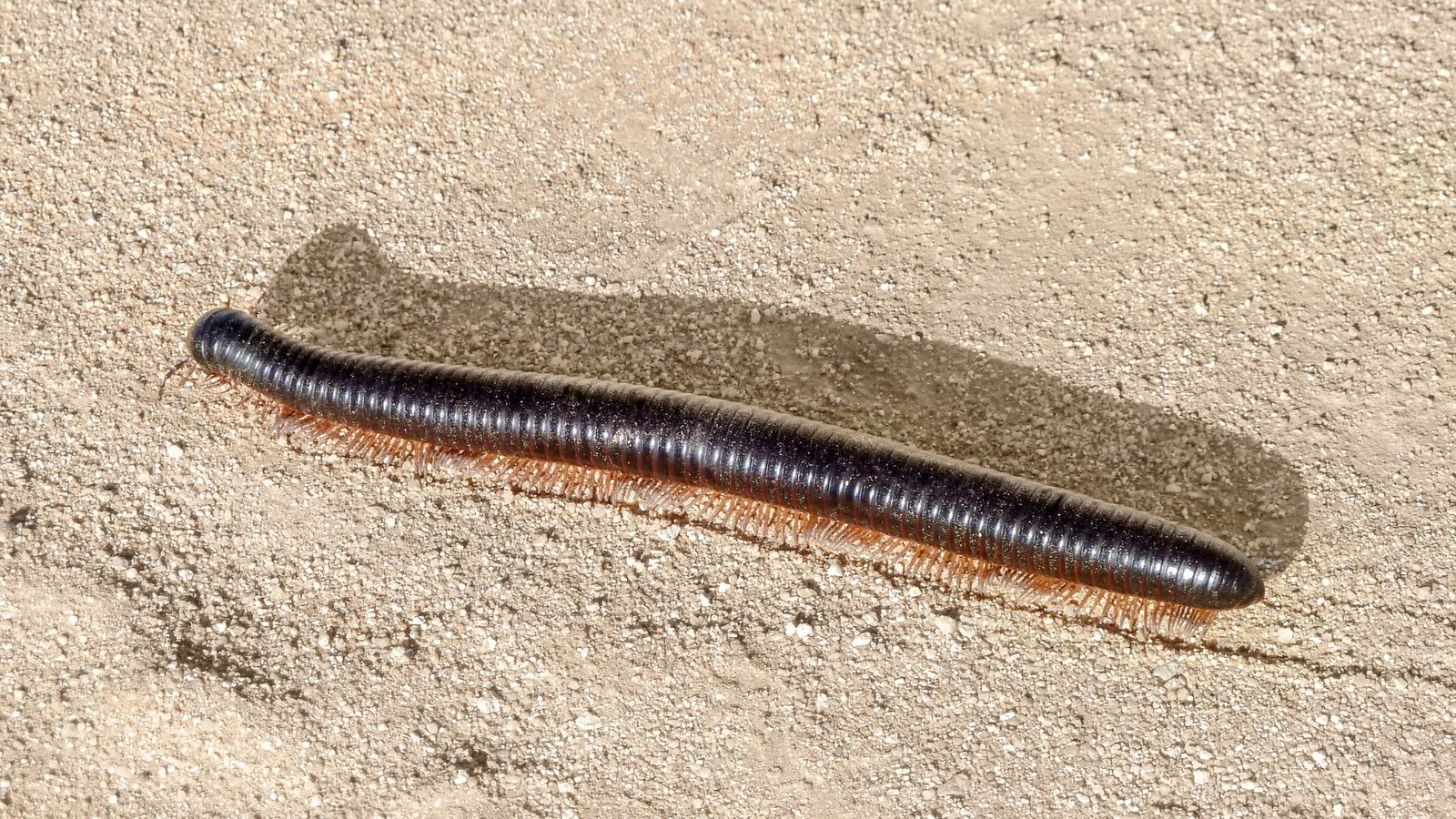
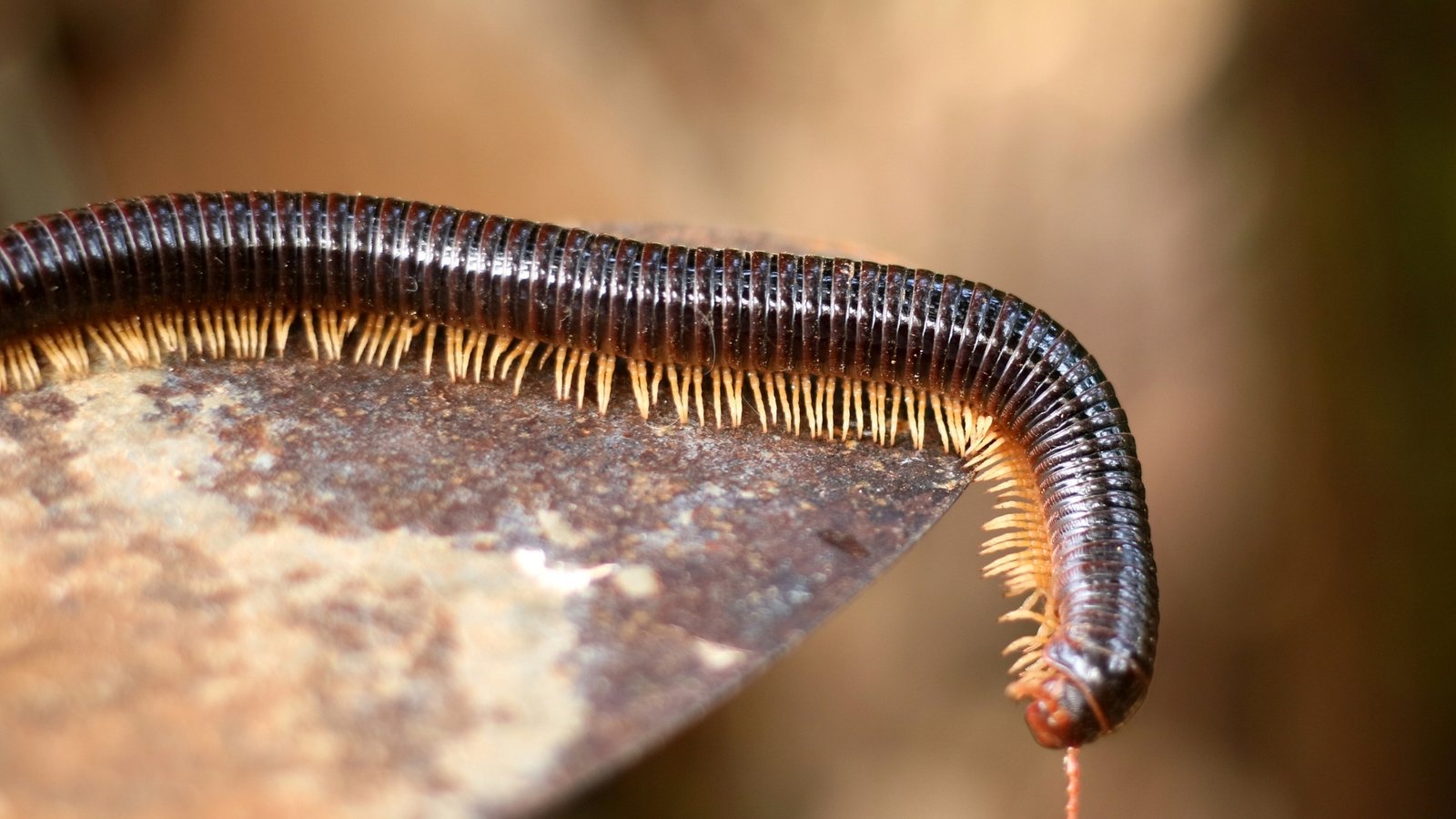
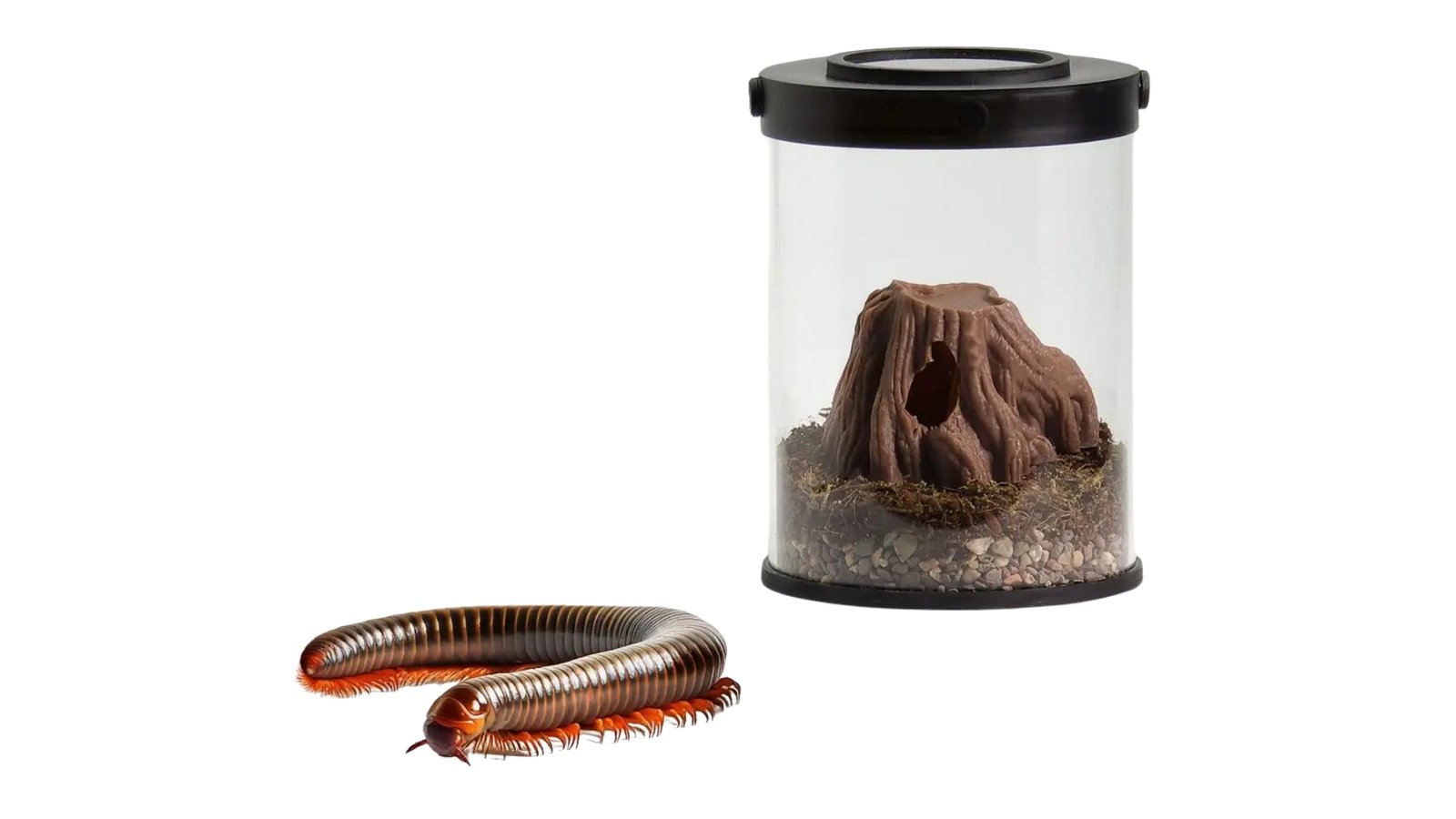
Desert Giant Millipedes (Orthoporus ornatus) — Introduction & Overview
MYCO-EMPORIUMS, welcome to one of the desert’s most peaceful wanderers: the massive, segment-by-segment powerhouse known as the Desert Giant Millipede (Orthoporus ornatus). A sand-toned titan with a conveyor-belt walk, a mellow attitude, and an ancient detritivore’s mission. Under UV light, they shimmer faintly like dried moonlight on sandstone — subtle, but cosmic.
Why Keep This Species
- Slow, hypnotic movement that calms even the most over-caffeinated EMPORIUM.
- Extremely hardy when warm, deep substrate and moisture pockets are provided.
- A living crash course in decomposition and desert micro-ecology.
Keeper Profile
- Beginner to Intermediate Myco-EMPers.
- Handling: Observe-Not-Disturb — hands-off creature.
- Microclimate: 72–82°F warm desert gradient with humidity pockets.
Keeper’s Summary
Desert Giant Millipedes thrive in long enclosures with deep, moisture-layered substrate, stable warmth, and plenty of leaf litter to munch. They hydrate through moisture pockets more than open water. Feeding is simple: veggies, leaf litter, calcium sources. This is a hands-off LIVE SPECIMEN — admire its chill desert commute without poking. Pro tip: keep two or three micro-moisture zones; dehydration is their arch-nemesis.
🐾 [Common Name] — [Scientific Name]
- Common Name(s): Desert Giant Millipede, Texas Giant Millipede
- Scientific Name: Orthoporus ornatus
- Native To: Arid and semi-arid regions of the Southwestern United States and Northern Mexico
- Adult Size: Typically 4–7" (10–18 cm) in length
- Life Span: Around 7–10+ years in well-maintained captivity
- Difficulty: Beginner-Friendly, Easy to Care For, Observe-Not-Disturb Species
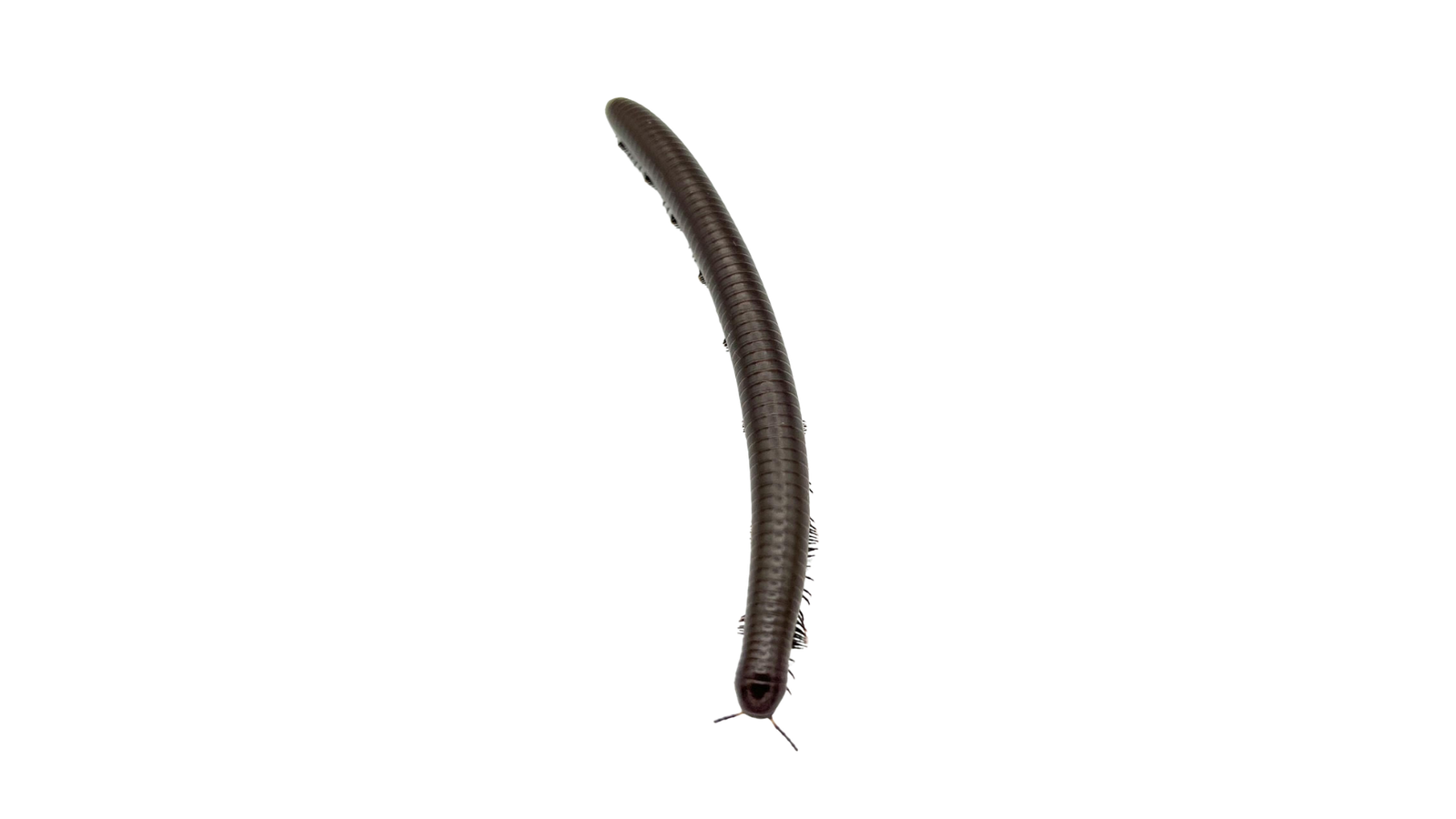
Characteristics & Temperament
Appearance
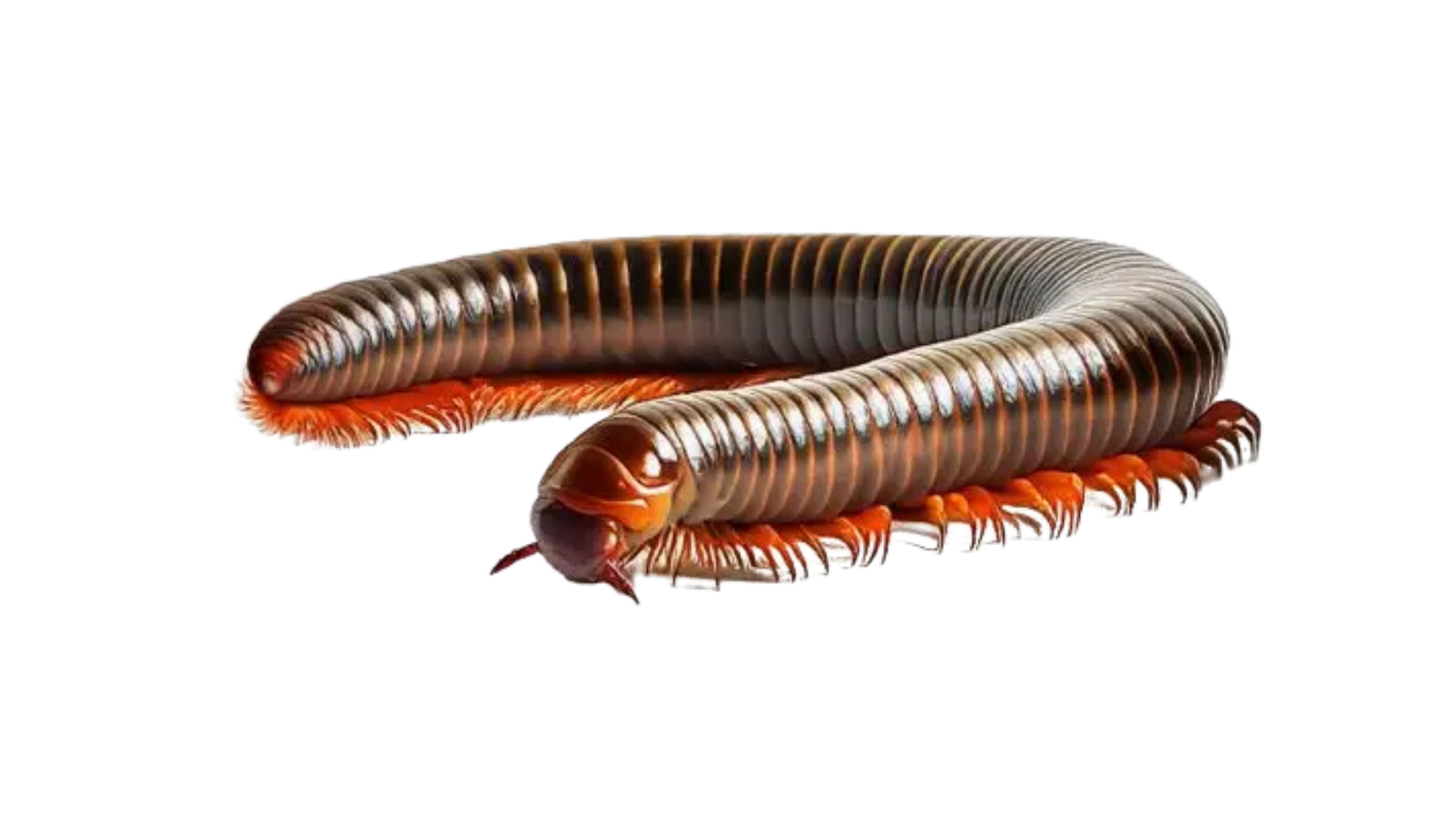
Coloration: Desert browns, tans, and sandy charcoal striping.
Body Form: Long, heavily segmented, armored detritivore crawler.
UV Reaction: Subtle matte glow, sandstone shimmer under blacklight.
Temperament
Personality: Ultra-chill, shy, peace-loving.
Activity: Mostly nocturnal explorer; slow but steady desert cruiser.
Feeding: Constant browser of leaf litter, veggies, and calcium.
Social Housing
Peaceful communal groups possible if space and moisture pockets are abundant. Crowding = stress, burrow battles, poor hydration.
Quick Traits
UV Responsive: NoActivity: Low–Medium
Social: Loose Communal Handling: Observe-Not-Disturb
Keeper Notes
- Stress signs: tight curling, refusal to move, prolonged hiding.
- Confidence tips: deep substrate, consistent moisture pockets, leaf litter layers.
- Display advice: create tunnels and bark ramps for visible wandering without stress.
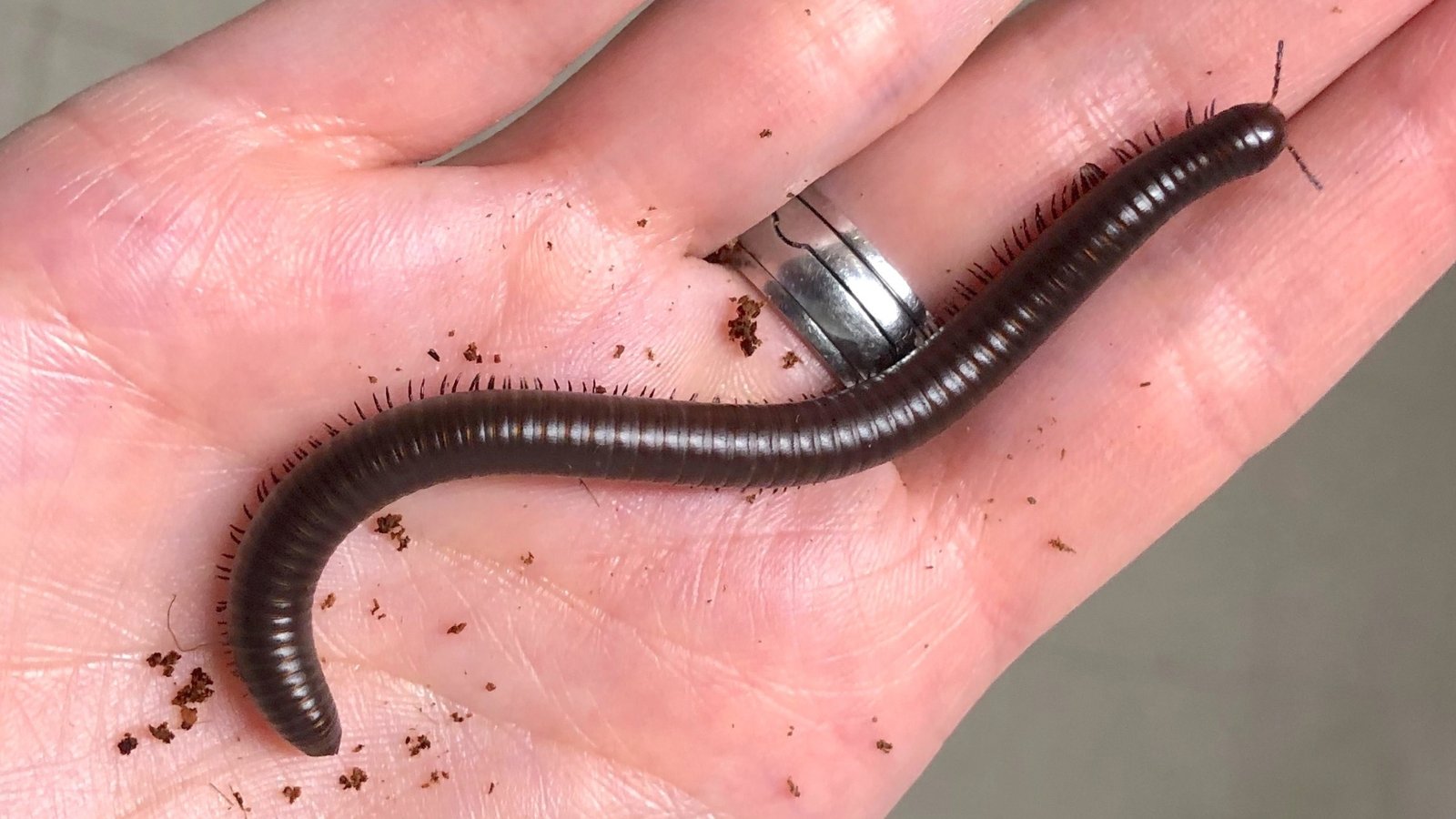
Care Requirements
Core setup and environmental targets to keep Orthoporus ornatus thriving. Build a warm, deep, desert-style floor with moist refuges, constant access to plant-based foods, and stable conditions so this LIVE SPECIMEN can roam, burrow, and decompose in peace.
Enclosure Setup
Type: Terrestrial desert detritivore enclosure focused on horizontal floor space.
Minimum Size: 10–20 gallon long-style tank for a small group; larger footprints allow more natural roaming.
Safety: Secure lid with good airflow; no escape gaps; heat sources external and cable-managed.
- Size: At least a 20L “long” style tank recommended for multiple millipedes.
- Lid: Tight-fitting screen or perforated top that maintains humidity pockets without stagnation.
- Hides: Cork rounds, bark slabs, and half-buried tubes for dark, protected retreats.
- Enrichment: Leaf litter drifts, textured bark, and varied terrain for exploring and foraging.
Substrate
Blend: Organic topsoil, coco fiber, sand, and a heavy layer of leaf litter; add decaying wood for biofilm and microfauna.
Depth: 4–6" (10–15 cm) minimum so the millipede can burrow and regulate moisture.
Purpose: Provides burrowing, humidity buffering, and a slow-release food matrix as leaf litter decomposes.
Habitat
- Water: Maintain several moist substrate pockets; optional shallow water dish with easy exits to prevent accidental drowning.
- Décor: Cork bark, rocks with smooth edges, and stacked leaf litter to create shaded micro-caves.
- Behavior Fit: Primarily a surface and sub-surface burrower; prefers tight, humid refuges during the day and open wandering at night.
Environment Targets Monitor, don’t guess
Lighting
Ambient room lighting is sufficient; no UVB requirement. Provide a gentle 12L:12D light cycle. Use dim, indirect light if you want to observe nighttime activity without blasting the LIVE SPECIMEN with spotlight energy.
Food & Water
- Juveniles: Finely chopped vegetables (e.g., squash, carrot shavings), soft leaf litter, and small pieces of decaying wood offered 2–3× weekly.
- Adults: Constant access to leaf litter, supplemented 2–3× weekly with veggies and occasional fruits; provide cuttlebone or calcium source weekly.
- Hydration: Maintain moist substrate pockets; lightly mist one section as needed. Avoid constantly soaking the entire enclosure.
- Best Time to Feed: Evening, when Desert Giant Millipedes become more active and forage openly.
Cleaning
- Spot-Clean: Remove moldy food, spoiled produce, or fouled leaf litter every few days.
- Deep Clean: Partial substrate refresh every 4–6 months; replace only sections at a time to preserve beneficial microfauna.