Costa Rican Stripe Knee Tarantula (Aphonopelma seemanni) — Introduction & Overview
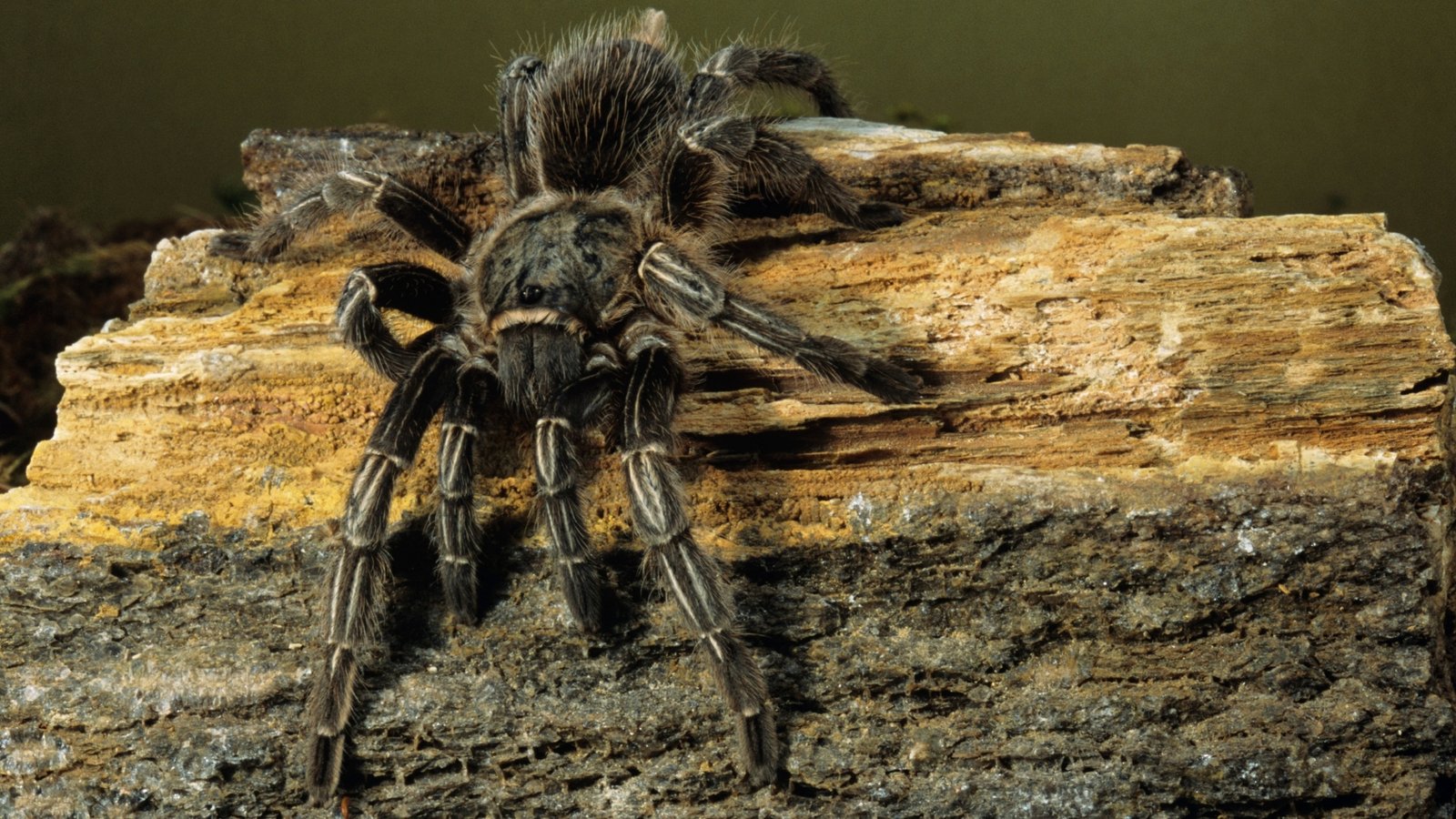
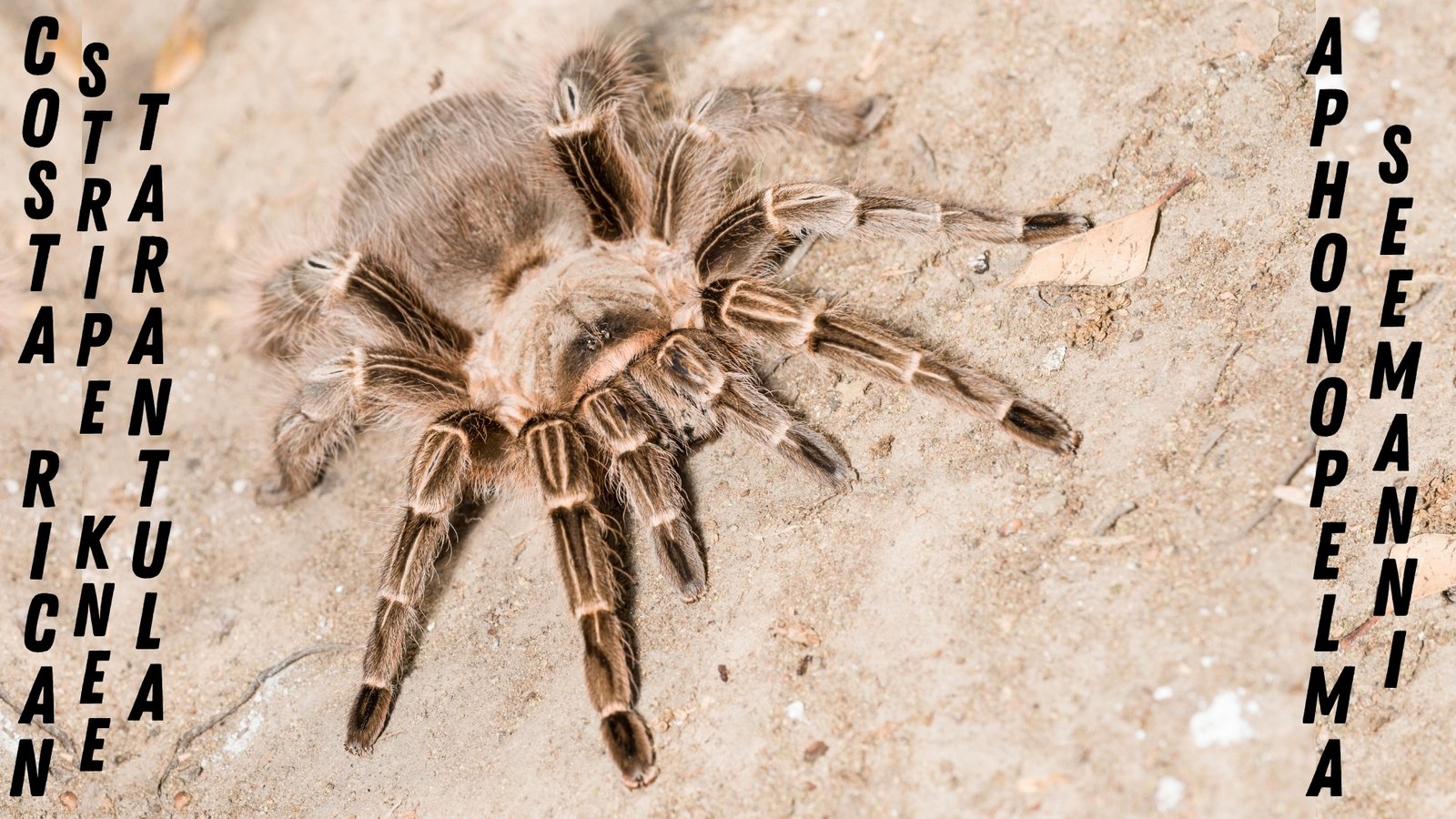
The Costa Rican Stripe Knee Tarantula, Aphonopelma seemanni, is what happens when the forest floor decides to cos-play as a racing spider. Dark chocolate legs wrapped in bold cream striping, a compact, powerful body, and a talent for vanishing into burrows faster than most EMPORIUMS can say “where’d it go?” make this LIVE SPECIMEN a star in any terrestrial display. In the eon glow-in-the-dark neon vibes of Myco-Emporium lighting, those knee stripes cut across the substrate like tiny hazard markers, broadcasting “caution: professional digger at work.” Myco-EMP Patrons fall in love with this species for its bold pattern, impressive burrowing behavior, and the thrill of glimpsing a real New World tarantula that’s more about sprinting and hair-flicking than cuddles and hand-holding.
Why Keep This Species
- Striking cream-and-black striped knees that make MYCO-EMPORIUMS stop, zoom in, and whisper “whoa.”
- Hardy terrestrial/burrowing LIVE SPECIMEN that thrives with deep substrate and a simple, stable environment.
- Excellent for curious Myco-EMPers studying real ethology: burrow construction, defensive displays, and ambush hunting.
Keeper Profile
- Best for Intermediate Myco-EMPers; determined beginners can succeed if they respect speed and stress signals.
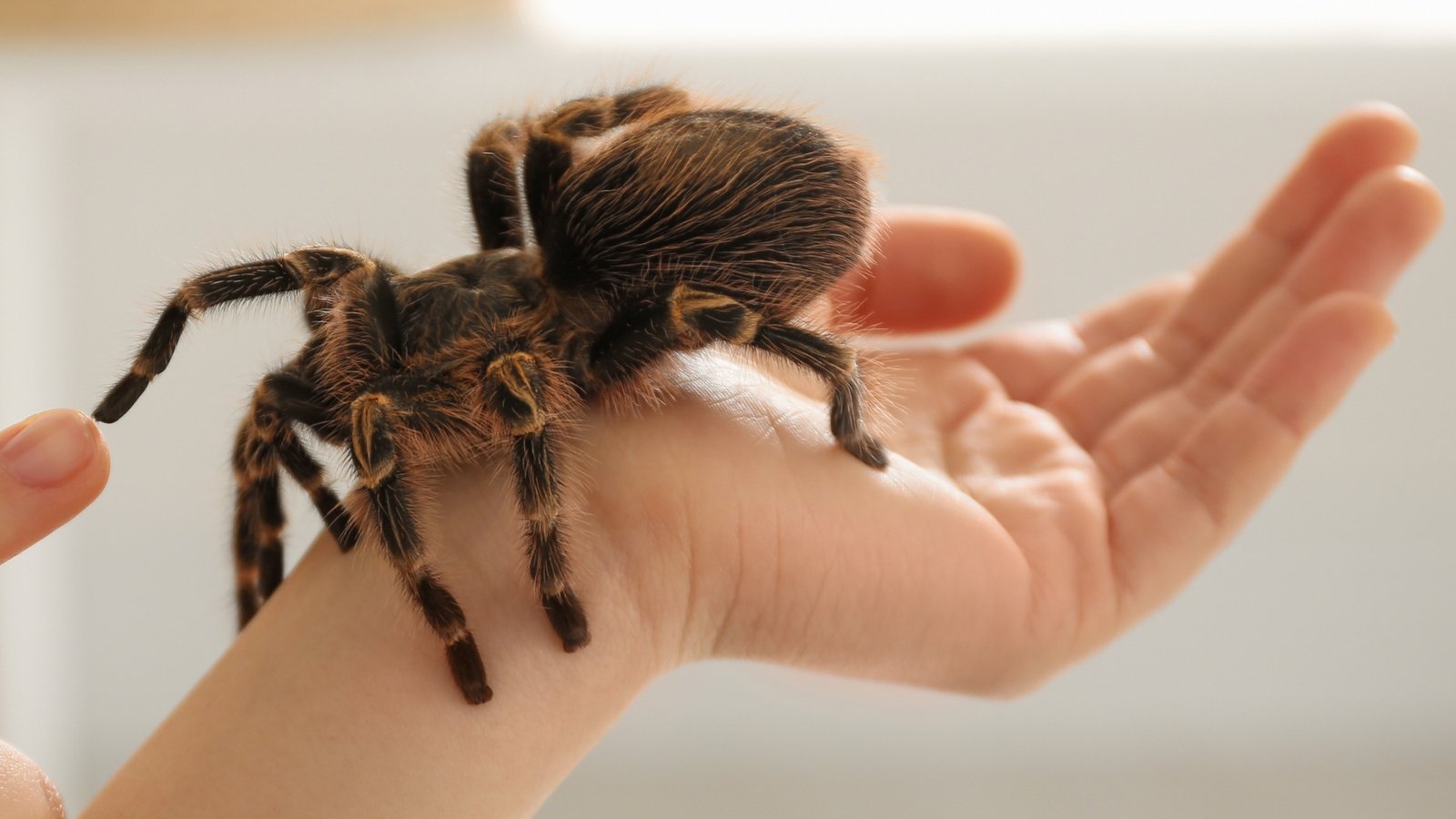
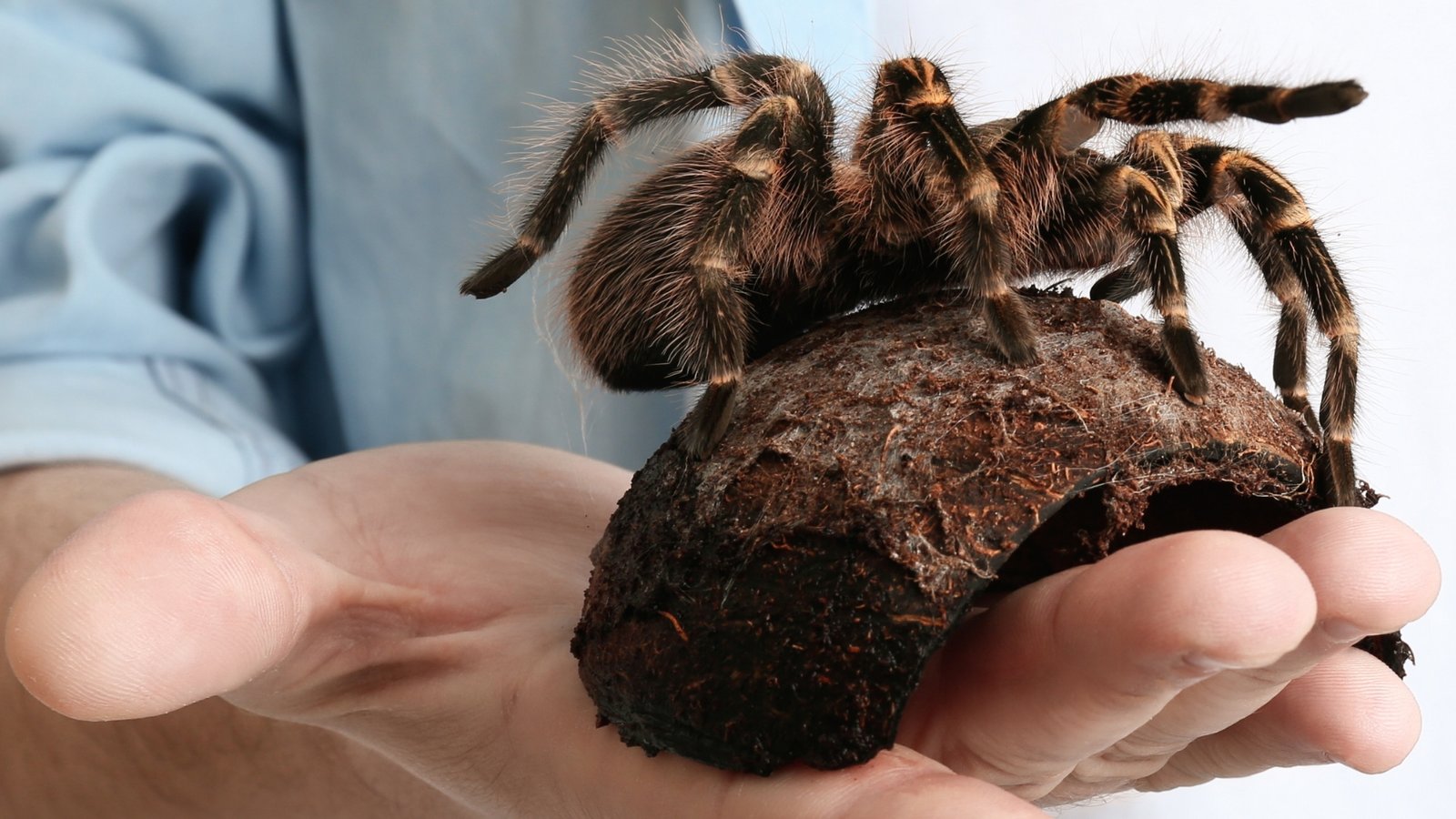
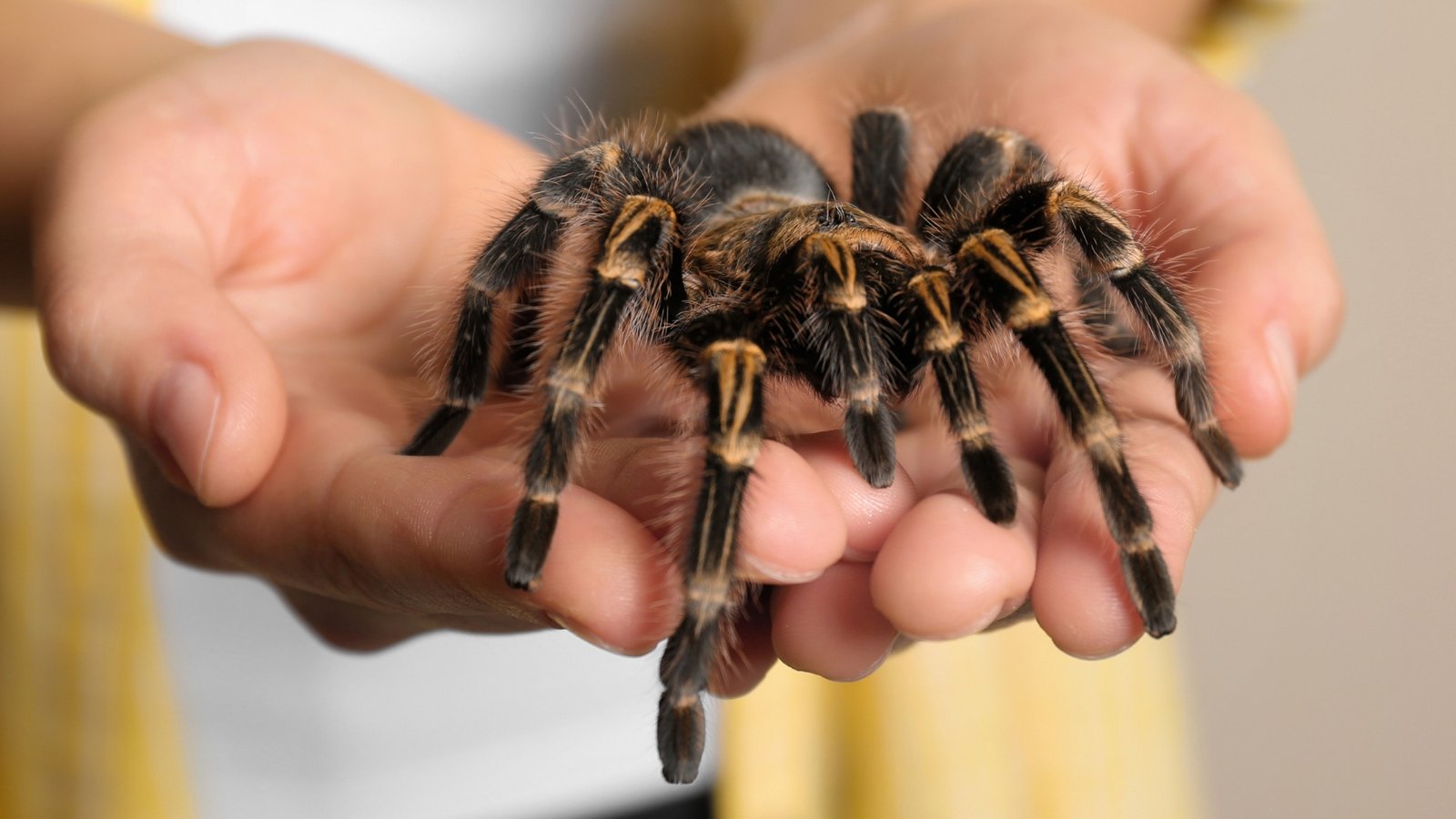
- Handling expectations: strictly display-focused LIVE SPECIMEN; hands-off or very experienced only.
- Microclimate vibe: room temps around 72–78 °F with moderately humid, deep substrate and a slightly drier surface.
Keeper’s Summary
Costa Rican Stripe Knee Tarantulas (Aphonopelma seemanni) are terrestrial burrowers that thrive in a horizontally oriented enclosure with lots of floor space and at least 4–6 inches (10–15 cm) of diggable substrate. They prefer mild, stable temperatures in the mid-70s °F, moderate humidity with good ventilation, and a simple layout: deep substrate, a secure hide, a water dish, and no climbing hazards that risk falls. Feeding is straightforward—appropriately sized insects offered once a week or so—but interaction should be observational rather than hands-on. Pro tip for Myco-EMP Patrons: build up substrate higher on one side to encourage burrow construction along the front glass; your LIVE SPECIMEN gets a secure underground lair, and you get a built-in viewing window into its secret tunnel universe.
🐾 [Common Name] — [Scientific Name]
- Common Name(s): Costa Rican Stripe Knee Tarantula, Costa Rican Zebra Tarantula, Stripe Knee
- Scientific Name: Aphonopelma seemanni
- Native To: Central America, including Costa Rica, Nicaragua, Honduras, and surrounding regions
- Adult Size: Approximately 4.5–5.5" (11–14 cm) leg span; medium-bodied New World tarantula
- Life Span: Females 15–20+ years; males typically 5–7 years
- Difficulty: Intermediate; hardy but fast, skittish, and not recommended for handling-focused keepers

Characteristics & Temperament
In the tiny terrarium universe, Aphonopelma seemanni is the anxious architect of the underworld: always ready to remodel the substrate and absolutely ready to sprint if the universe gets too loud. As a LIVE SPECIMEN, the Costa Rican Stripe Knee spends much of its time near or inside its burrow, monitoring the surface like a fuzzy motion sensor. When an EMPORIUMS walks by or opens the lid too quickly, it may bolt, kick urticating hairs, or dive deep into its tunnel system. With calm routines, dim lighting, and minimal disturbance, it settles into a pattern of slow, deliberate patrols and dramatic feeding ambushes that Myco-EMPers can enjoy from a respectful distance.
Appearance
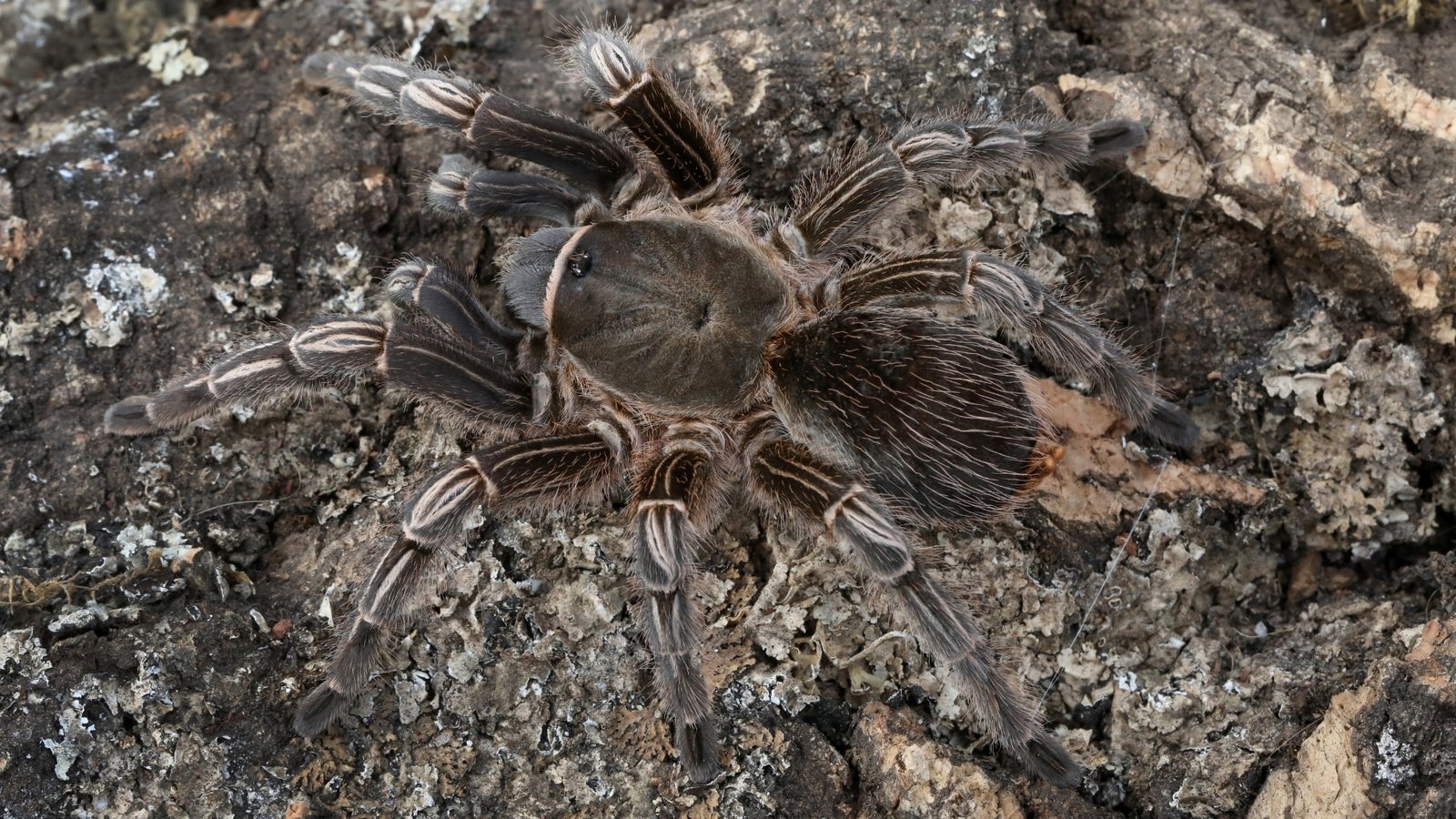
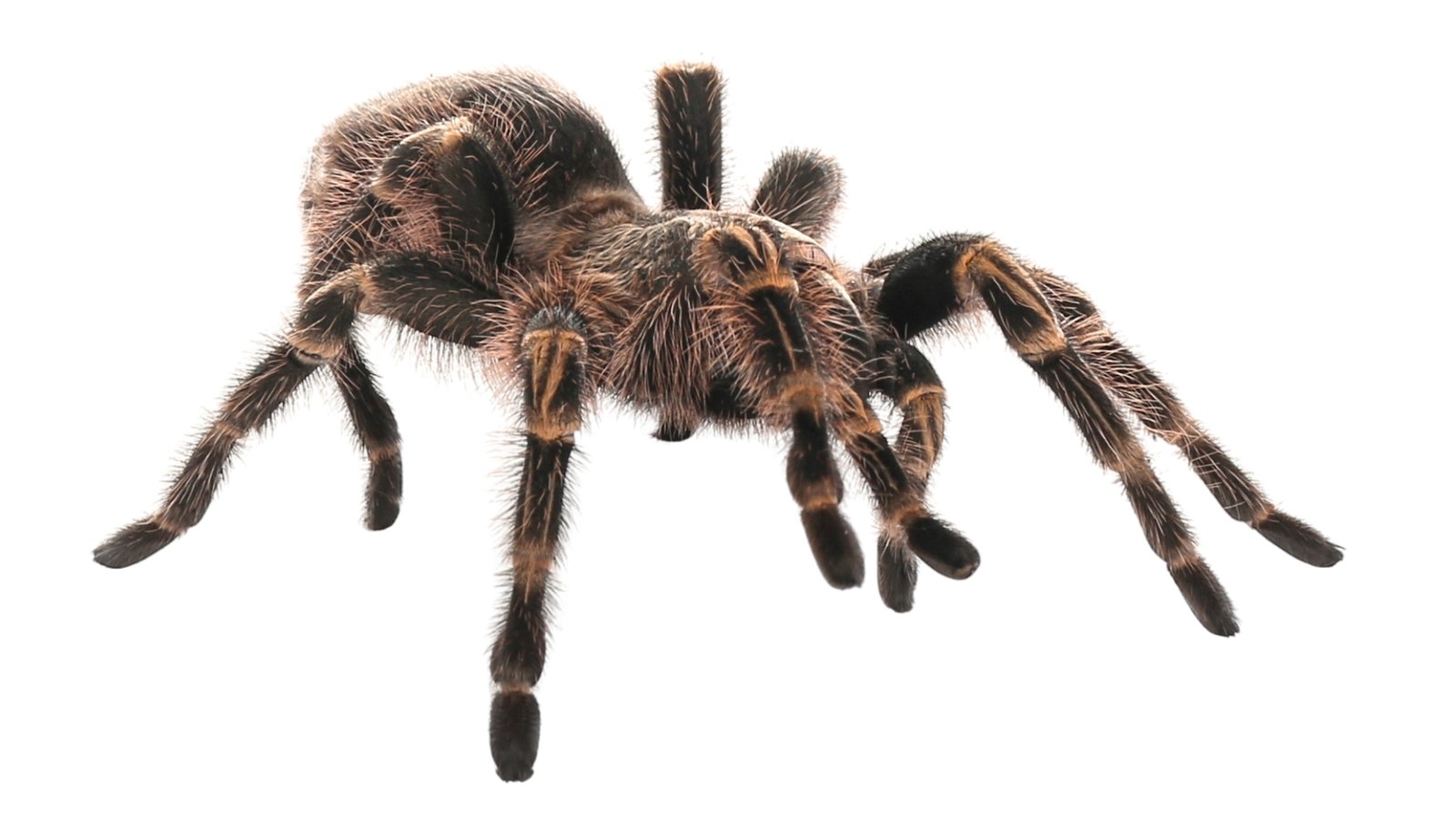
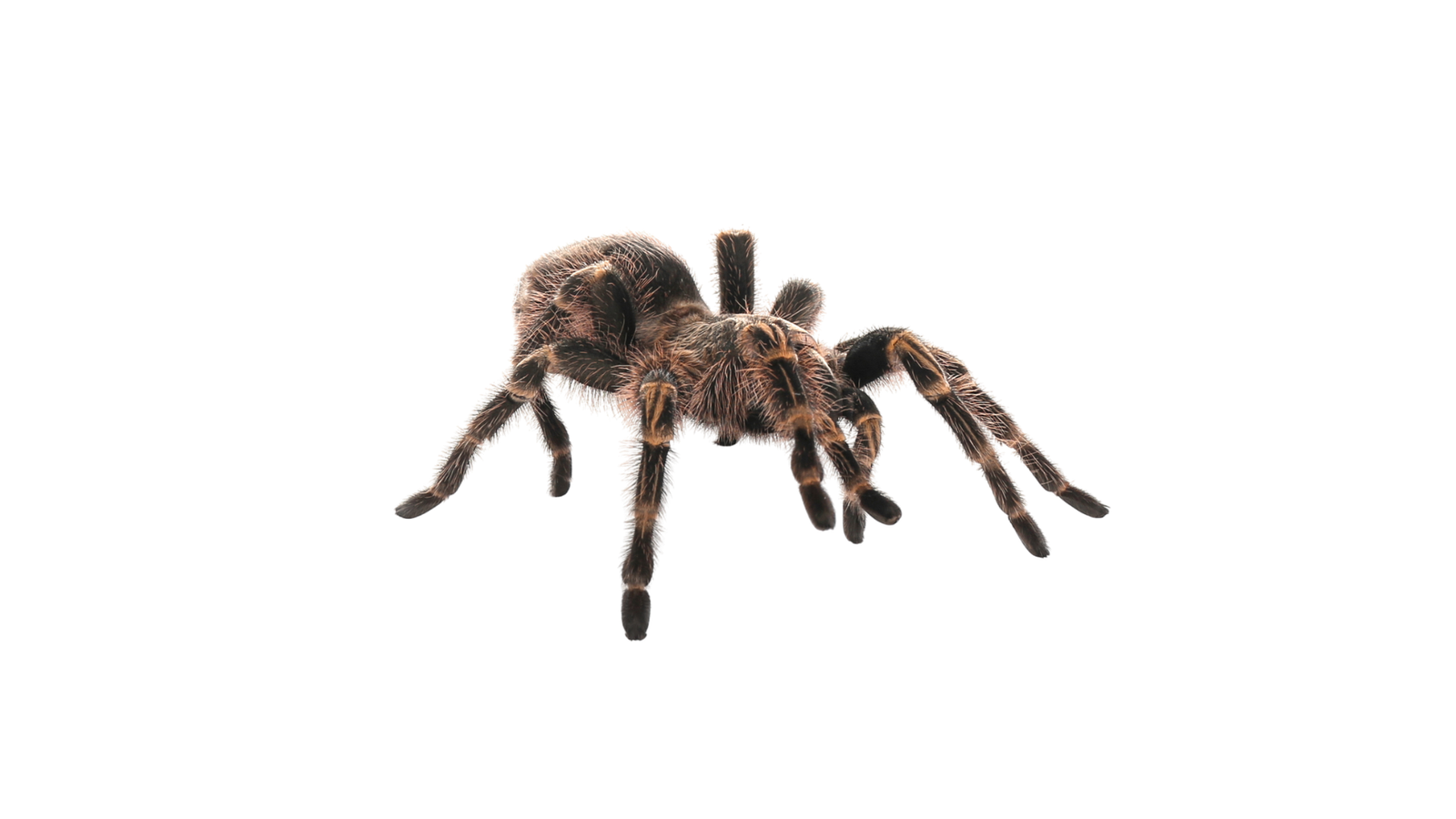
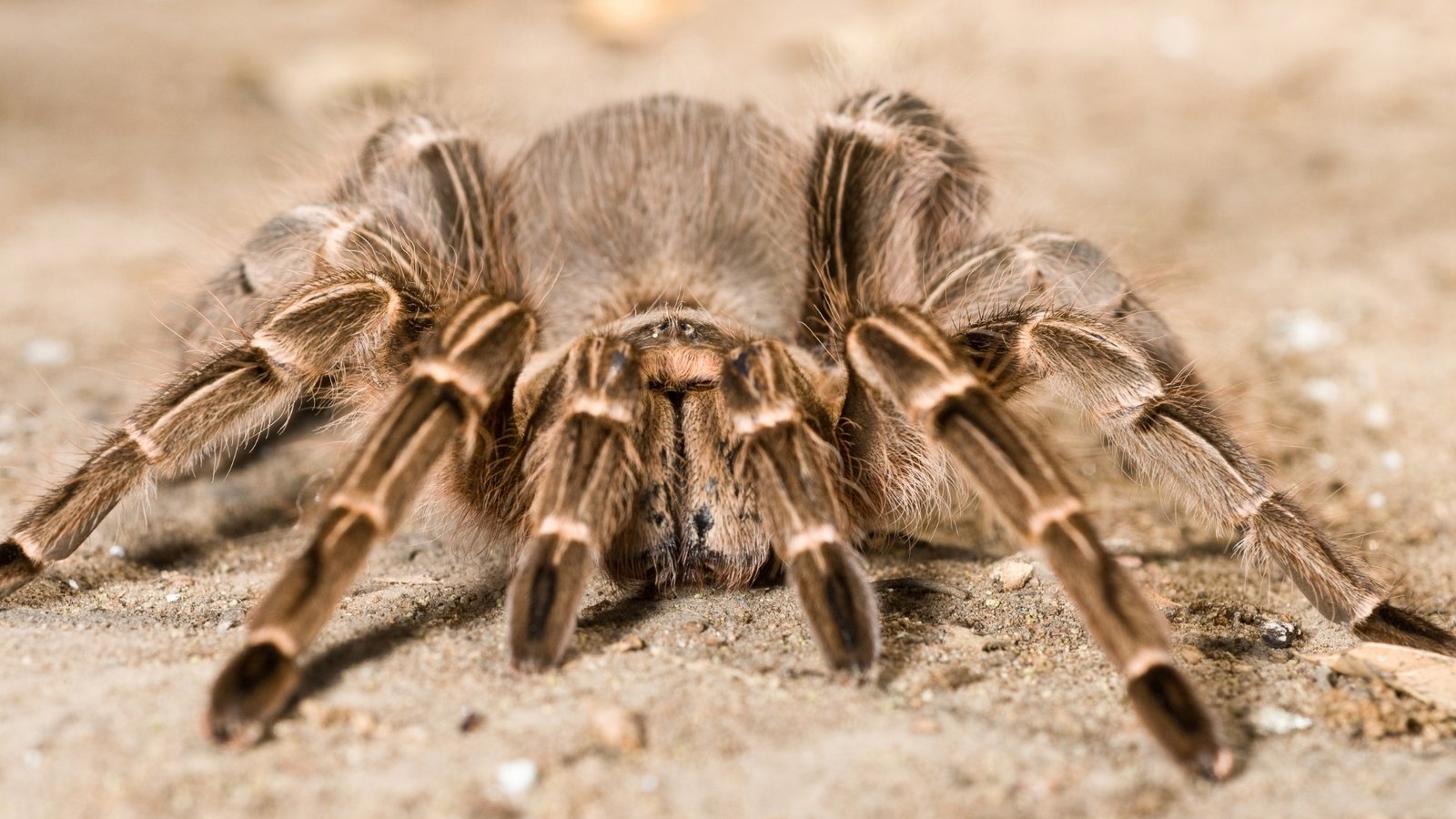
Coloration: Typically dark brown to black body with bold cream or tan striping on the leg joints,
especially the knees, giving the classic “zebra” or “stripe knee” look. The carapace may show subtle patterning
or a lighter central tone.
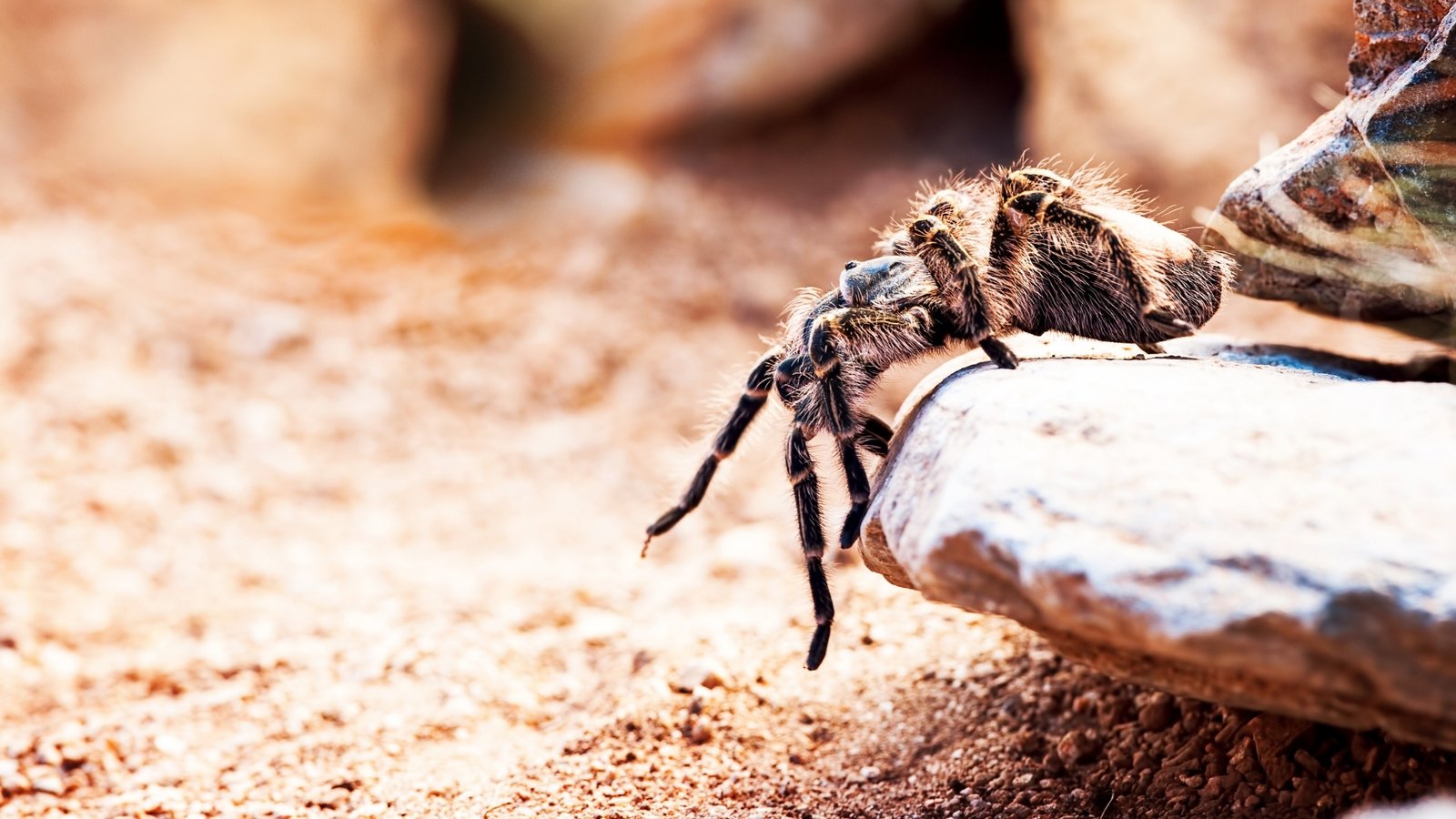
Body Form: Medium-bodied, robust terrestrial tarantula with strong legs built for digging and
sprinting. The abdomen is covered in urticating hairs that can be kicked when the LIVE SPECIMEN feels threatened.
UV Reaction: No dramatic fluorescence; expect natural dark tones under blacklight with only mild
reflective sheen on hairs and stripes—this one brings mood, not a full neon rave.
Temperament
Personality: Generally shy to defensive. Many individuals are nervous and will flee rather than fight,
but if cornered or repeatedly disturbed they may kick hairs or posture defensively. Not a “handle me” tarantula
for Myco-EMP Patrons; it’s a “watch my underground kingdom” species.
Activity: Primarily crepuscular to nocturnal. EMPORIUMS are most likely to see surface patrols and
hunting behavior in the evening or after lights-off. Daytime is for hiding and burrow maintenance.
Feeding: Ambush predator. The tarantula waits at the burrow entrance and strikes when prey passes by,
often dragging the insect back into its lair. Feeding responses can be quick and dramatic, especially in confident individuals.
Social Housing
This species must be housed singly. No communal setups. Attempting to cohabitate Stripe Knee tarantulas almost always ends in extreme stress, injury, or cannibalism—your “two tarantulas in one tank” experiment quickly becomes “one very full tarantula and one transcended specimen.” Myco-EMPers should plan one LIVE SPECIMEN per enclosure.
Quick Traits
UV Responsive: No; mostly natural dark tones with light striping Activity: Medium; most active at night and around feeding time Social: Solitary only; no cohabitation Handling: Hands-off / Experienced Only; display species, not for regular handlingKeeper Notes
- Stress signs: constant pacing, frantic bolting whenever the enclosure is approached, excessive hair-kicking, refusal to eat for long periods in non-molt conditions, or staying cramped in one corner without using hides or burrows.
- Confidence tips: provide deeper substrate, a snug hide, and minimal vibrations; avoid frequent rehousing or décor rearranging; keep lighting dim and routine consistent. Let the LIVE SPECIMEN choose when to be seen.
- Display advice: angle deep substrate against the front glass and partially bury a hide so EMPORIUMS can see burrow entrances and webbing without needing to dig or disturb the tarantula’s architecture. Less interference, more authentic underground show.
Care Requirements
To keep Aphonopelma seemanni thriving instead of pacing the glass like an interdimensional cryptid, Myco-EMPers must recreate a compact, diggable slice of Central American forest floor. Deep substrate, stable humidity, low-height décor, and zero chances for skyscraper falls. This is the blueprint for a calm, healthy Stripe Knee who tunnels like a slow, fluffy bulldozer with secrets.
Enclosure Setup
Type: Terrestrial burrower with wide floor space and deep diggable substrate.
Minimum Size: ~18″ × 12″ footprint or a 5–10 gallon equivalent.
Ventilation: Balanced airflow — fresh but not desert-dry. Substrate must retain moisture below surface.
Substrate
Use 4–6″ (10–15 cm) of compactable coco fiber + topsoil + a touch of sand or fine bark. Pack firmly enough for tunnel integrity. Moist initially, then allowed to settle before introducing the hide.
Habitat
- Décor: Cork flats, half logs, low stable hides that won't fall.
- Microhabitats: Moist lower layers / drier surface; one moist side and one dry side.
- Water: Shallow dish, always present, cleaned often. No sponges.
Environment Targets Stable & Grounded
Lighting
No UVB needed. Ambient room light or soft LEDs only. Avoid blasting the burrow entrance with bright light.
Feeding
- Juveniles: Small crickets/roaches 2–3× weekly.
- Adults: Medium prey weekly or every 10–14 days.
- Schedule: Offer weekly; remove uneaten prey in 24 hours.