Central American Giant Tailless Whipspiders (Phrynus whitei) — Introduction & Overview
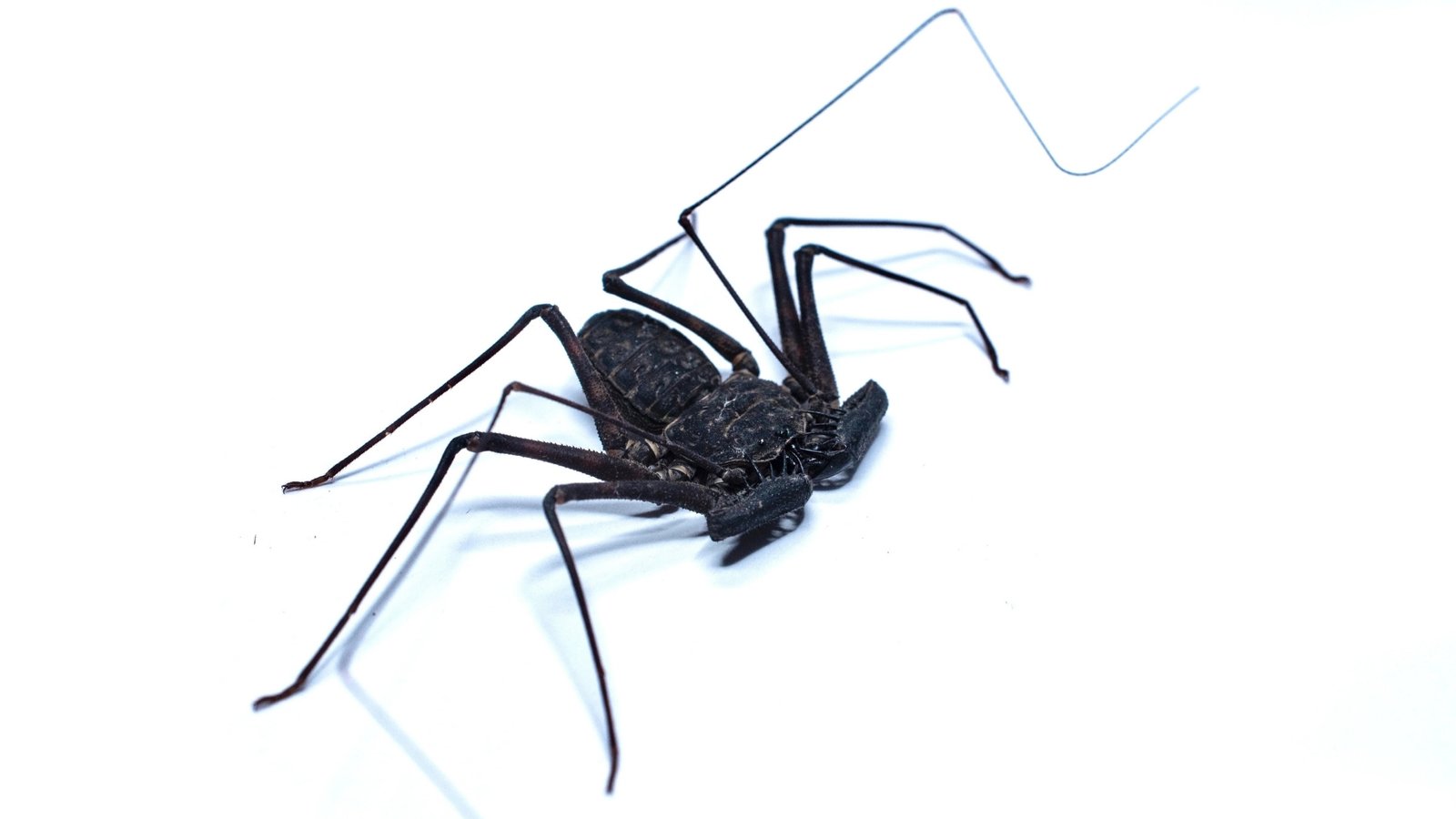
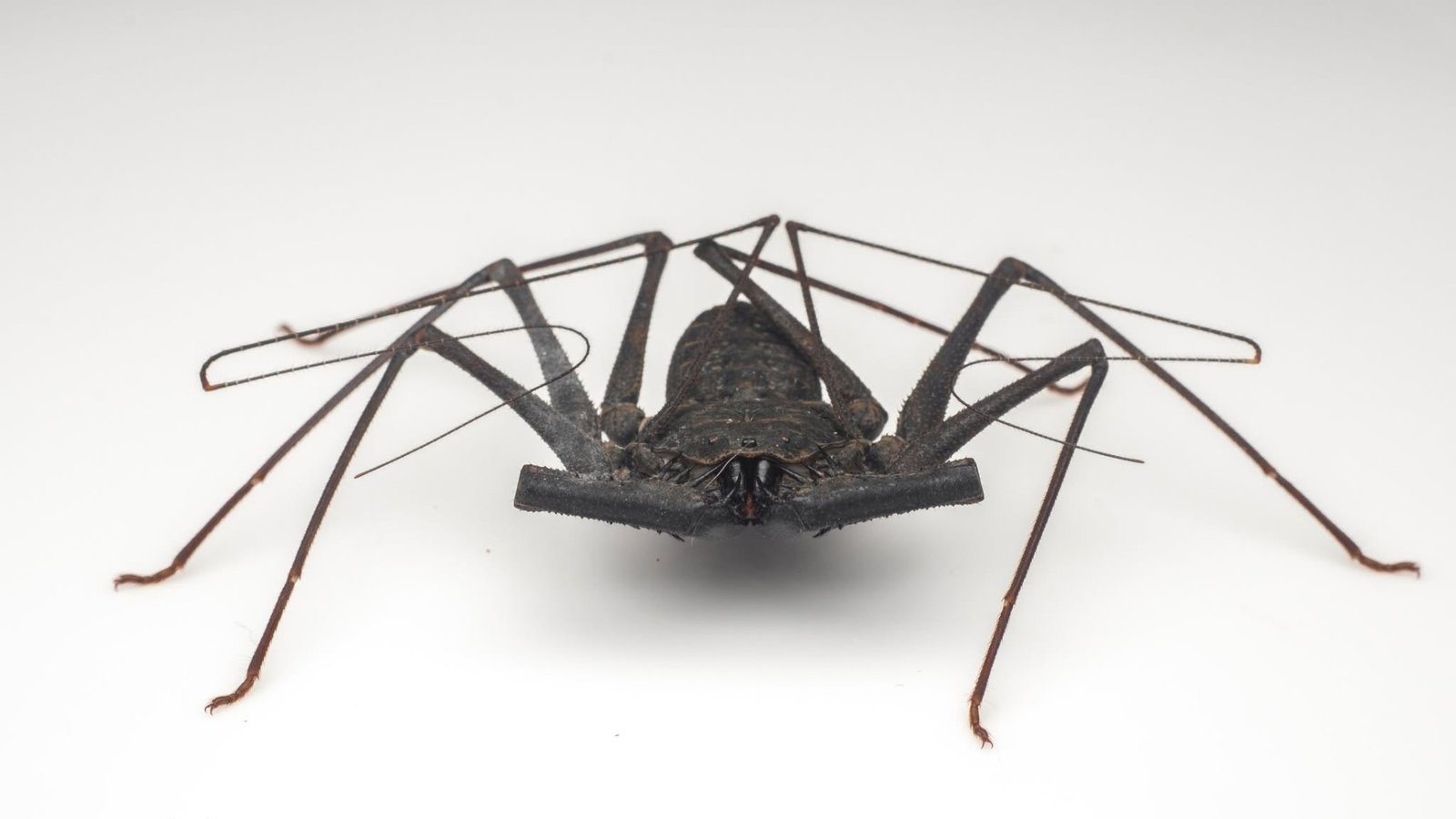
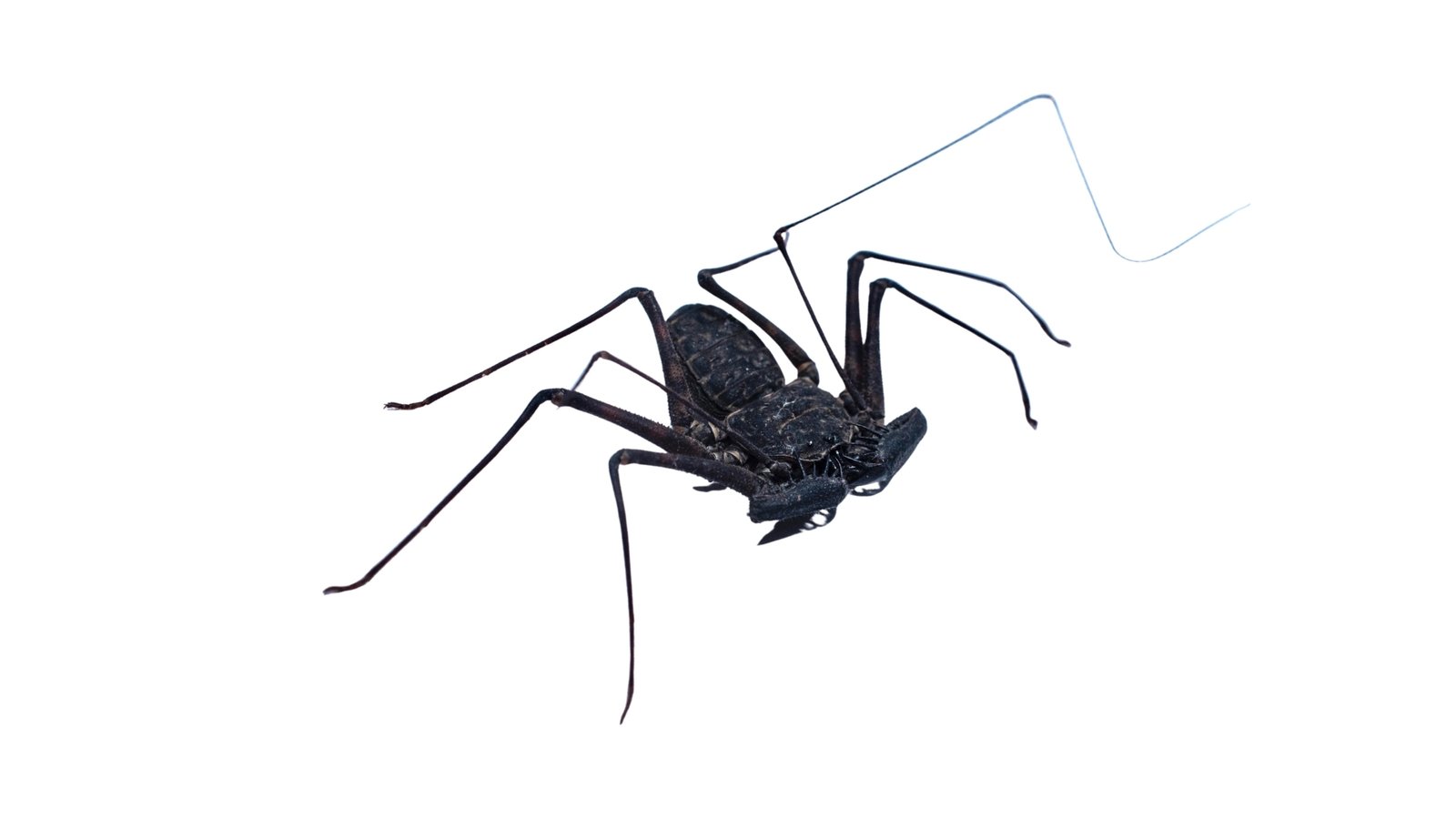
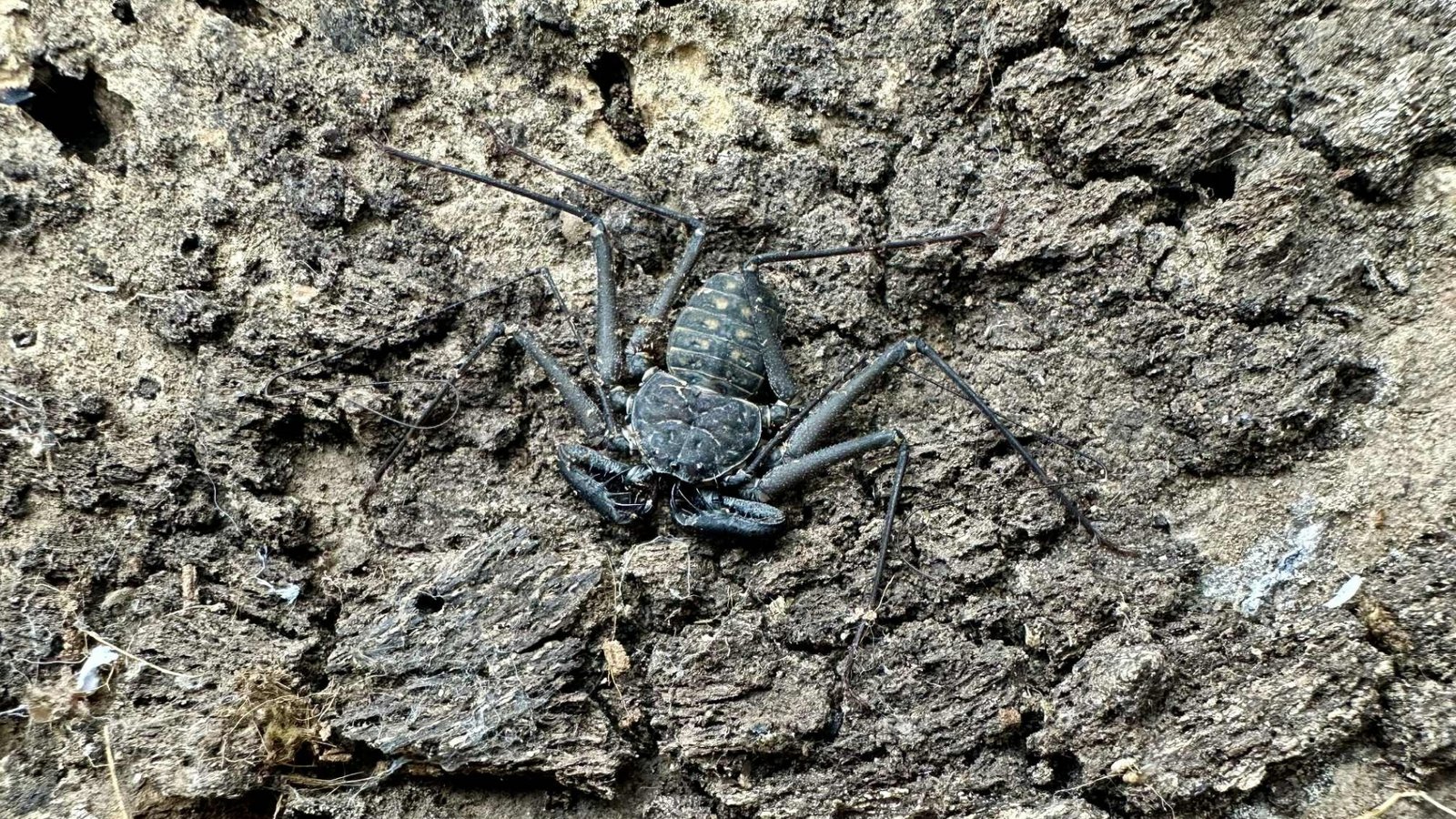
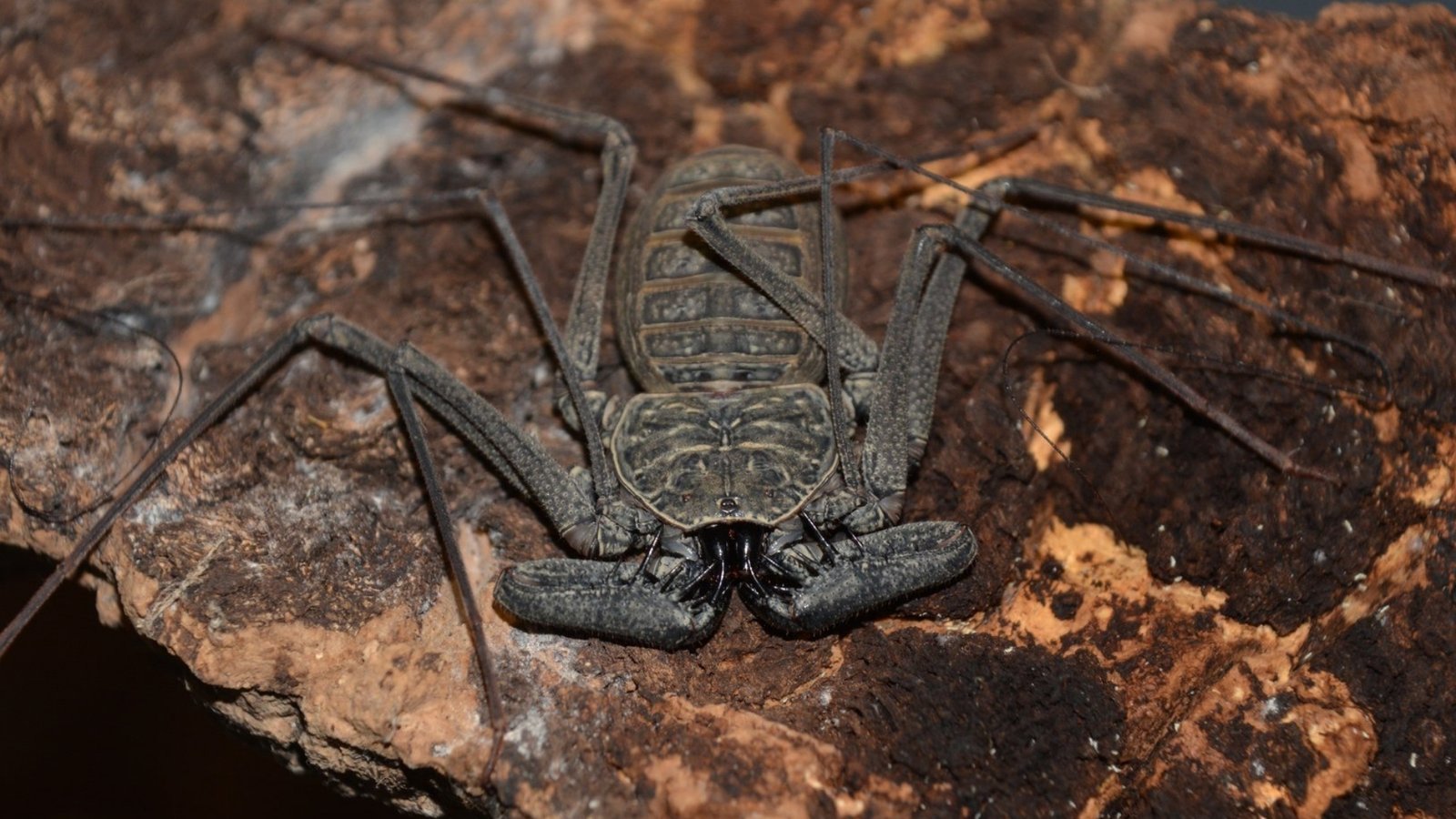
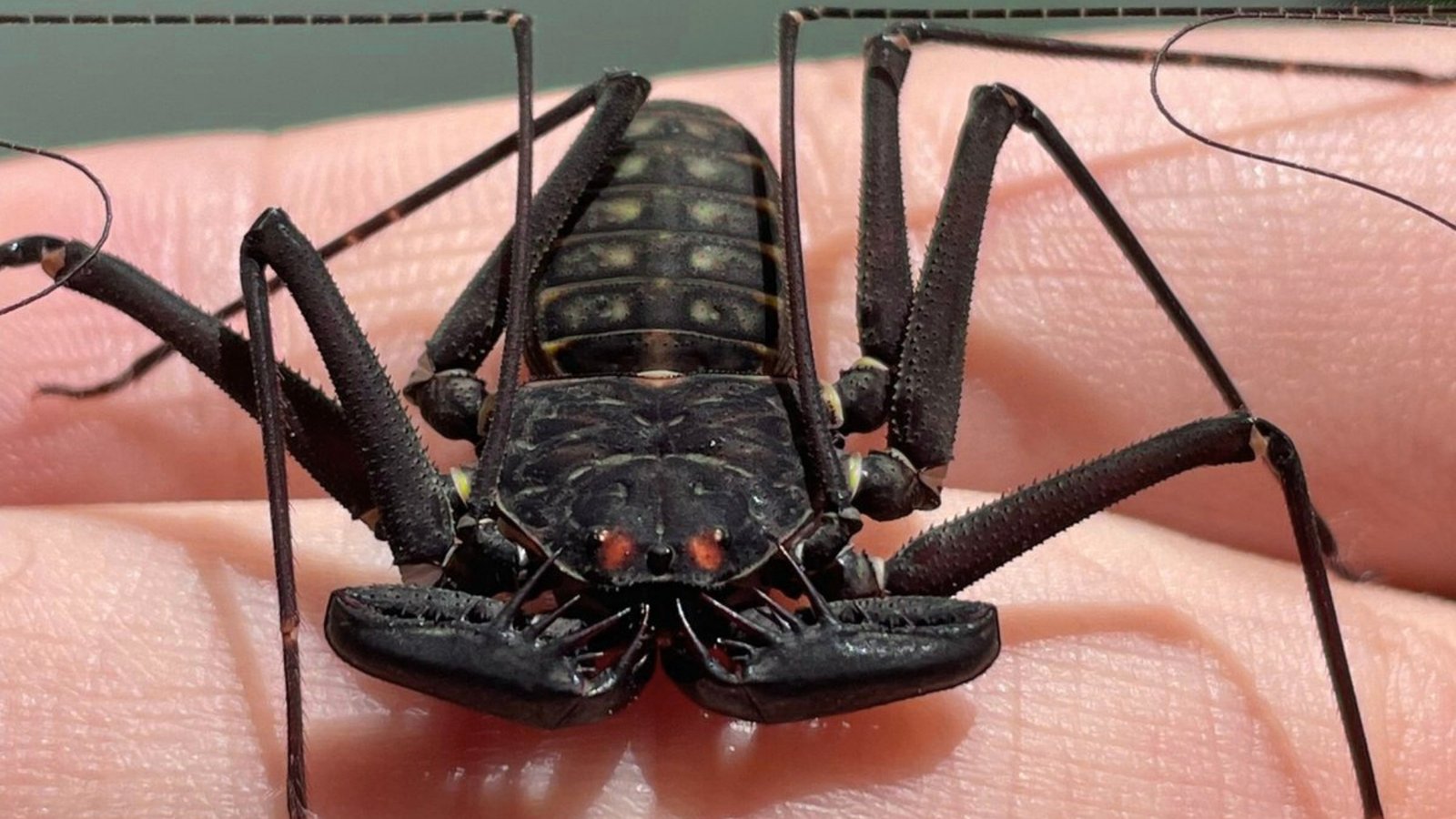
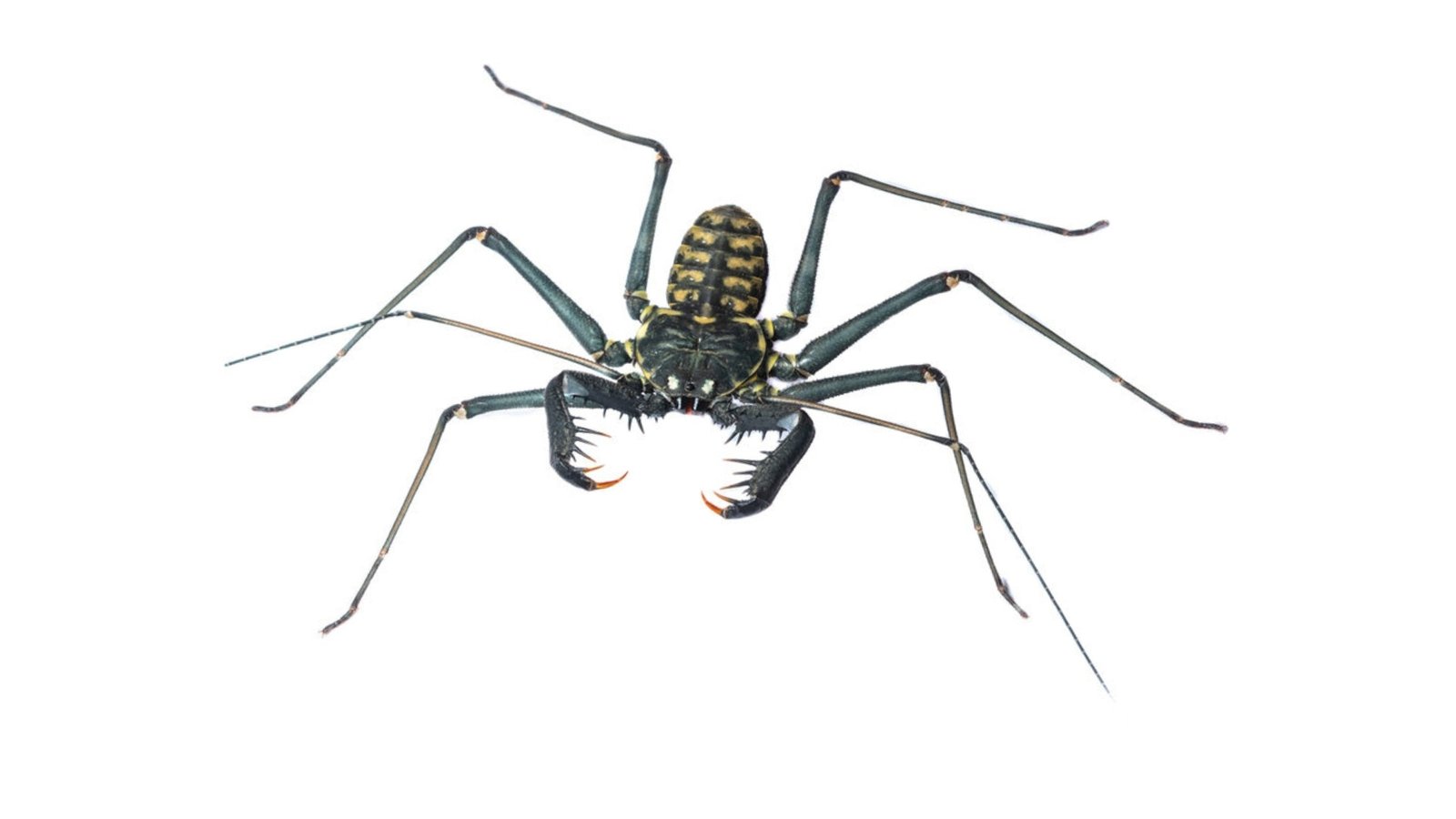
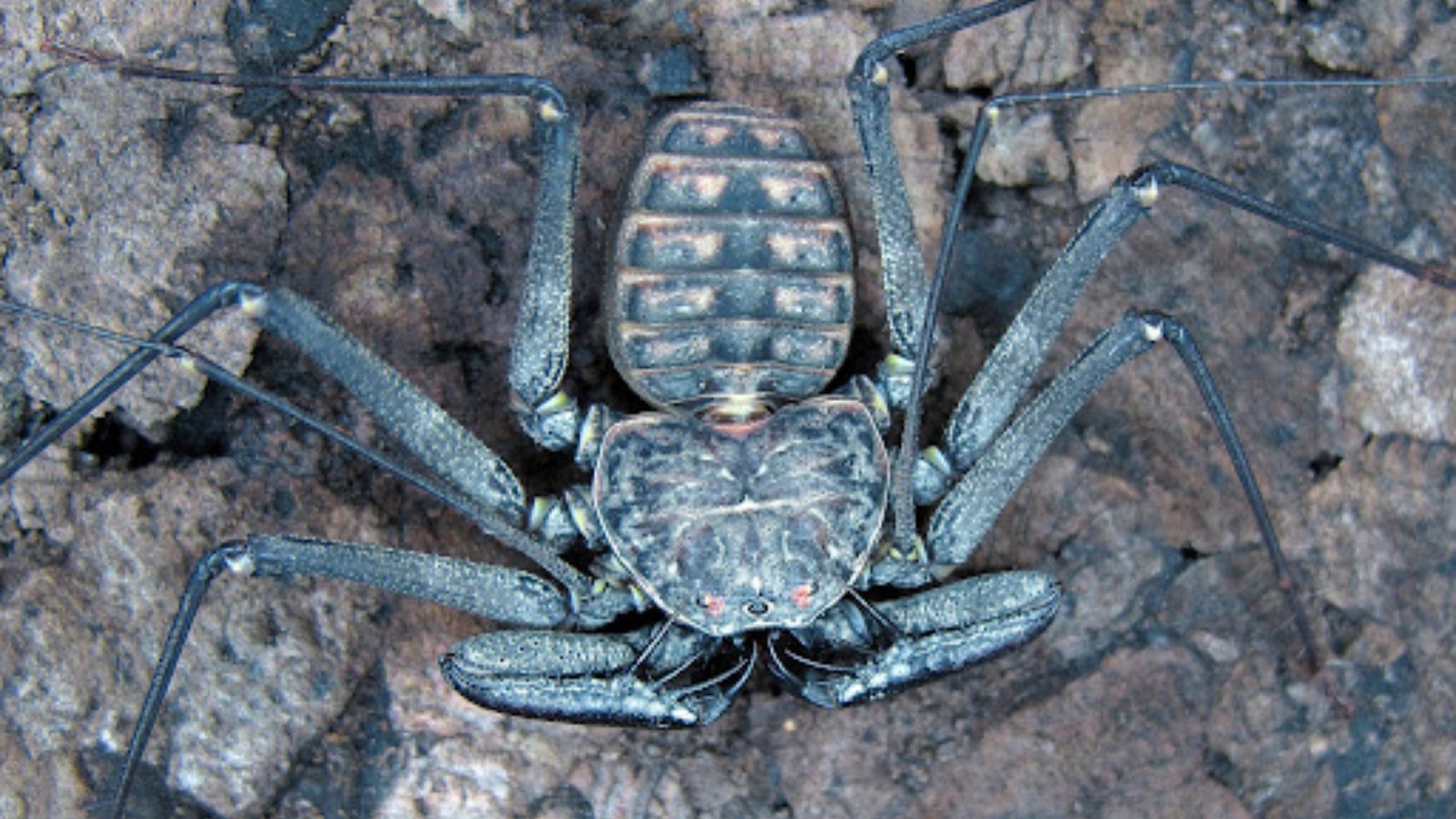
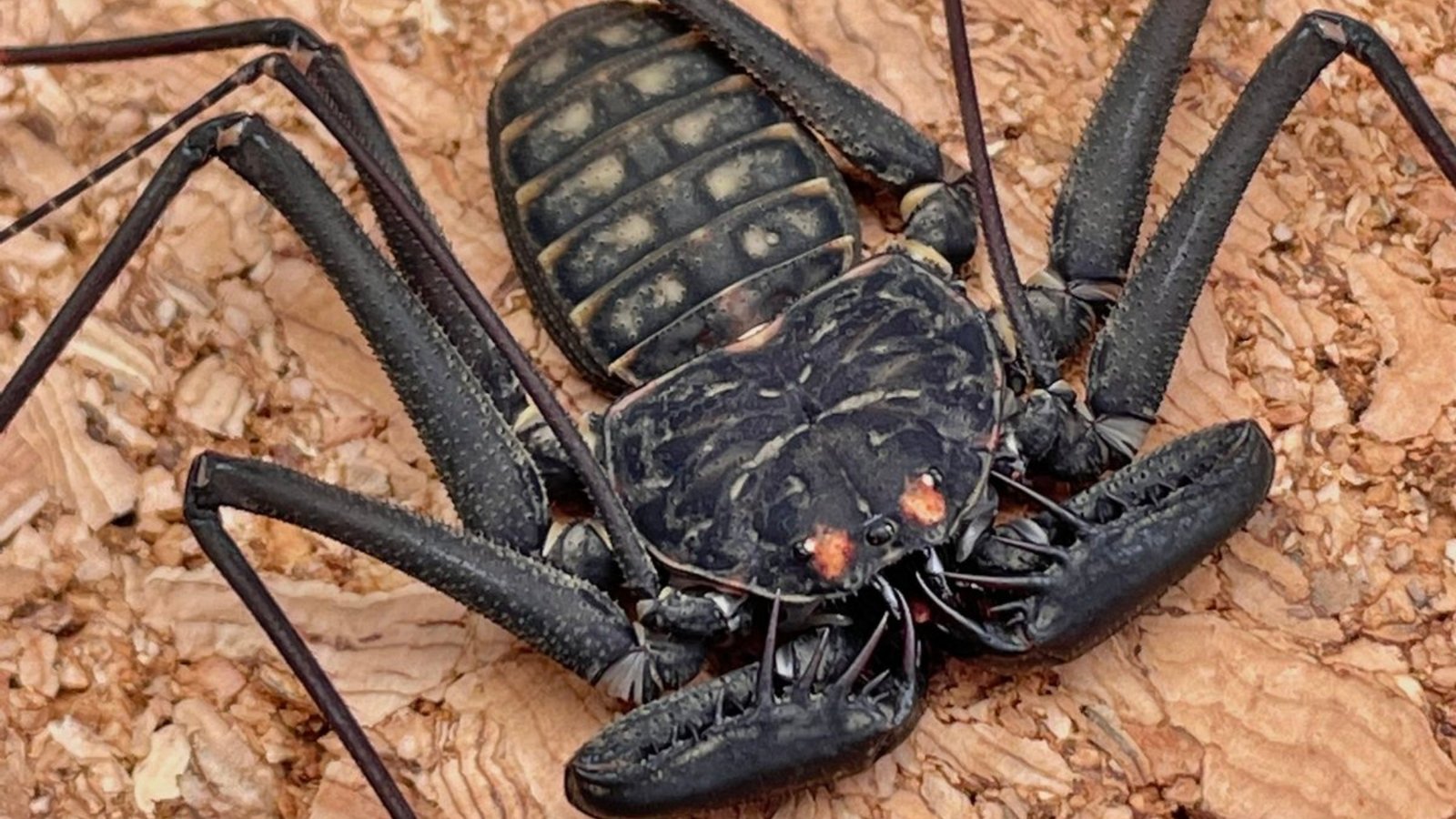
Meet the Central American Giant Tailless Whipspider (Phrynus whitei), the living embodiment of “did my enclosure just grow a boss fight?” These amblypygids look like flat, two-dimensional crab-spiders with absurdly long “whip” legs they use as sensory antennae, and spiky raptorial arms for lightning-fast prey grabs. By day, they press themselves into impossibly thin crevices; by night, they unfold into an elegant, alien silhouette, gently sweeping the air like a living radar dish. For MYCO-EMPORIUMS and Myco-EMPers who love weird, gentle, high-intel arthropods, this species is all about eerie motion, quiet drama, and deep respect.
Why Keep This Species
- Iconic “horror movie” profile that clings to vertical bark and moves with slow, deliberate, alien grace.
- Relatively hardy once dialed in, with simple feeding needs and low mess, as long as humidity and hides stay on point.
- Fantastic for teaching real arthropod behavior, sensory biology, and nocturnal hunting without relying on venom or aggression.
Keeper Profile
- Best for Intermediate Myco-EMPers comfortable managing humidity, microclimates, and hands-off display invertebrates.
- Handling expectations: strictly hands-off; use catch cups and tools only, never bare-handed “bonding sessions”.
- Microclimate vibe: cool to mildly warm (around low- to mid-70s °F) with high humidity and strong vertical climbing and hiding options.
Keeper’s Summary
A single Central American Giant Tailless Whipspider (Phrynus whitei) thrives in a tall, well-ventilated enclosure with plenty of vertical cork bark, narrow crevices, and a moist, stable microclimate. Think: at least 12" tall with deep, slightly damp substrate, constant access to a shallow water dish, and humidity in the “jungle night” zone. Feed appropriate-sized crickets or roaches about once a week, and keep the experience strictly observe-don’t-handle. Pro tip: give them multiple stacked cork flats forming tight wedges; once they feel that “pressed on both sides” safety, they’ll relax and reward you with glorious late-night patrols under a dim red light.
🐾 Central American Giant Tailless Whipspider — Phrynus whitei
- Common Name(s): Central American Giant Tailless Whipspider, Giant Tailless Whip Spider, Giant Amblypygid
- Scientific Name: Phrynus whitei
- Native To: Humid forests, caves, and rock/wood crevices in Central America (e.g., Costa Rica, Nicaragua, Honduras and surrounding regions)
- Adult Size: Body length roughly 1–1.5" (2.5–3.5 cm); leg span commonly 4–6" (10–15 cm), with first pair of “whip” legs extending even farther
- Life Span: Typically 5–10+ years in captivity with proper conditions; females often outlive males
- Difficulty: Intermediate; humidity-sensitive, shy, and strictly display-only, but robust once the environment is dialed in
Characteristics & Temperament
Central American Giant Tailless Whipspiders (Phrynus whitei) live their best sitcom life as shy, nocturnal wall-ninjas. By daylight they flatten into bark crevices like living paper; after dark, they unfold and sweep their hypersensitive whip-legs in eerie, radar-like arcs. When an EMPORIUM walks by, they switch to “freeze-frame mode” or “crab-walk hyperspeed” depending on mood. Once settled, they patrol their bark highways with slow, alien elegance.
Appearance
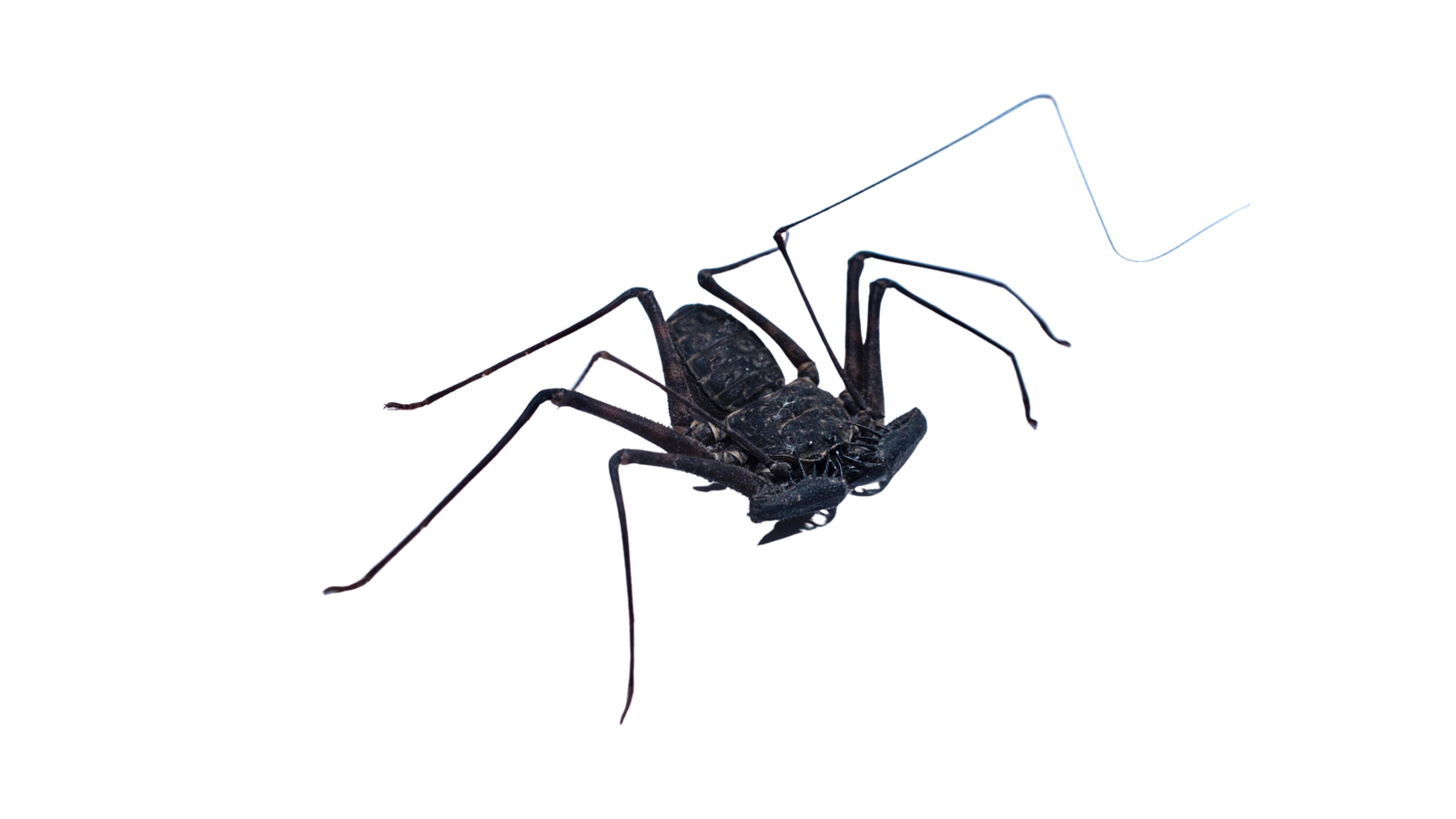
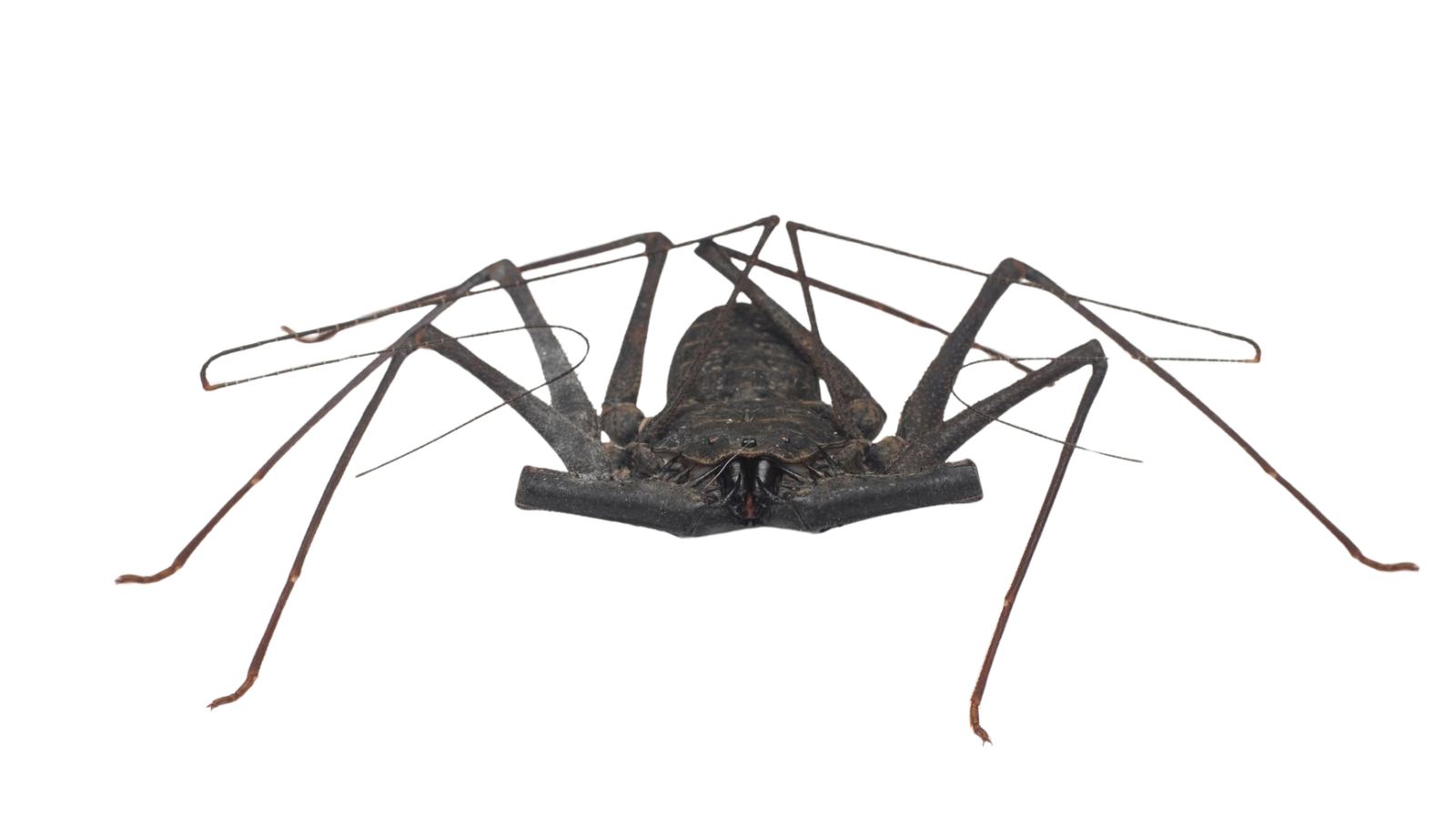
Coloration: Dark chocolate to soot-black with leg joint highlights and faint banding.
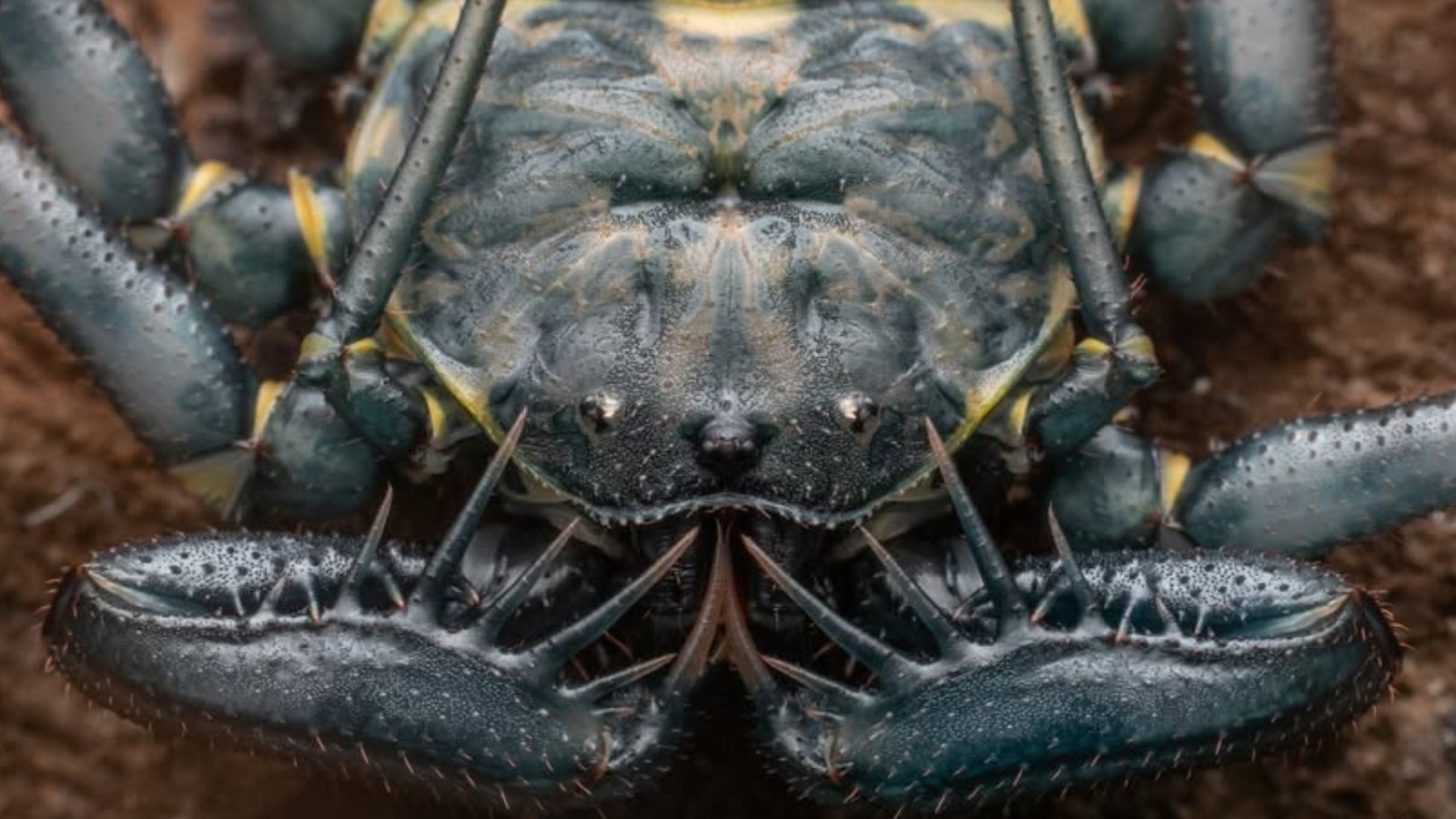
Body Form: Ultra-flattened, disc-like body; long sideways legs; oversized raptorial pedipalps.
UV Reaction: No fluorescence—matte, shadow-creature aesthetic under blacklight.
Temperament
Personality: Shy, evasive, highly sensitive to touch and airflow.
Activity: Nocturnal/crepuscular; prime time is lights-off.
Feeding: Ambush/opportunistic—rapid pedipalp strikes.
Social Housing
Solitary for all standard Myco-EMPers. Communal attempts require huge spaces and still risk stress or cannibalism.
Quick Traits
UV Responsive: No — matte shadowform Activity: Medium–High at night Social: Solitary (experimental communal only for experts) Handling: Observe-Not-Disturb / Gentle Grip, No SlipKeeper Notes
- Stress signs: staying low on substrate, hiding nonstop, frantic pacing, repeated prey drops, dehydration wrinkles.
- Confidence tips: vertical hides, stable humidity, low traffic, dim lighting, cool cave ambience.
- Display advice: textured cork walls = visible night patrols without stressing your LIVE SPECIMEN.
Care Requirements
Core setup and environmental targets to keep [Scientific Name] thriving. Replace the bracketed fields with accurate species values.
Enclosure Setup
Type: [Arboreal/Terrestrial/Burrowing/Paludarium].
Minimum Size: [Tank dimensions or gallons].
Safety: Secure lid/locking front; cross-ventilation; cable-managed heat sources.
- Size: [e.g., 18″×18″×18″ / 20L]
- Lid: [Secure mesh / locking front]
- Hides: [Cork rounds / slabs / leaf litter / rock caves]
- Enrichment: [Branches / bark / anchor points / clutter]
Substrate
Blend: [Soil/moss/sand/clay mix].
Depth: [Depth].
Purpose: [Burrowing / humidity buffering / traction].
Habitat
- Water: [Dish / misting / drip — safety notes]
- Décor: [Logs / cork / plants / rocks / climbing structures]
- Behavior Fit: [Climber/Burrower/Web-builder/etc.]
Environment Targets Set & Monitor
Lighting
[Ambient only / UVB optional / UVB recommended] with a [12L:12D] cycle.
Food & Water
- Juveniles: [Prey size + frequency]
- Adults: [Prey size/variety + schedule]
- Hydration: [Water dish / misting / droplets]
- Best Feeding Time: [Night/Dusk/etc.]
Cleaning
- Spot Clean: Remove prey, waste, mold.
- Deep Clean: Change substrate every [X] months.