Scarlet Millipede — Introduction & Overview
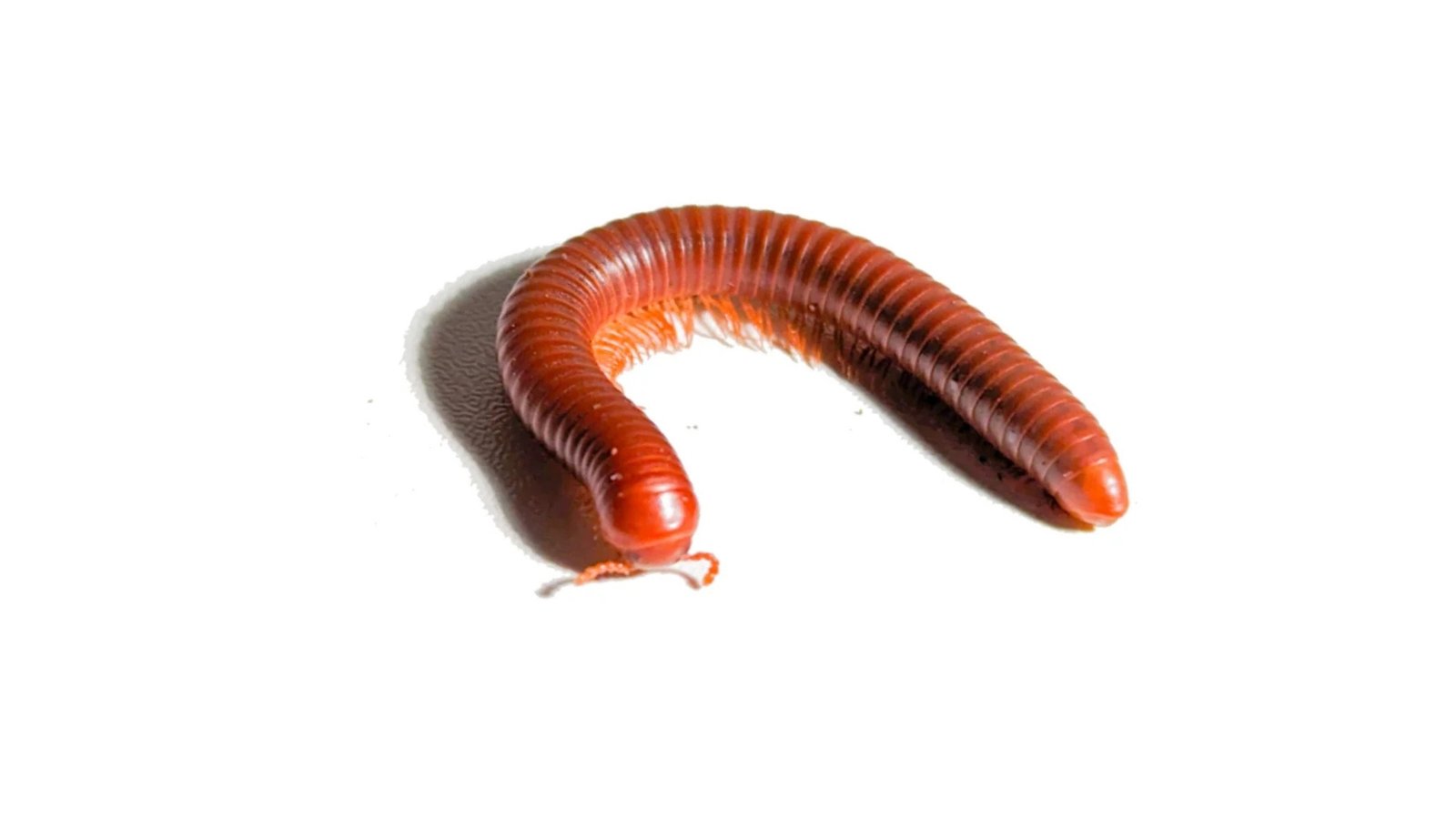
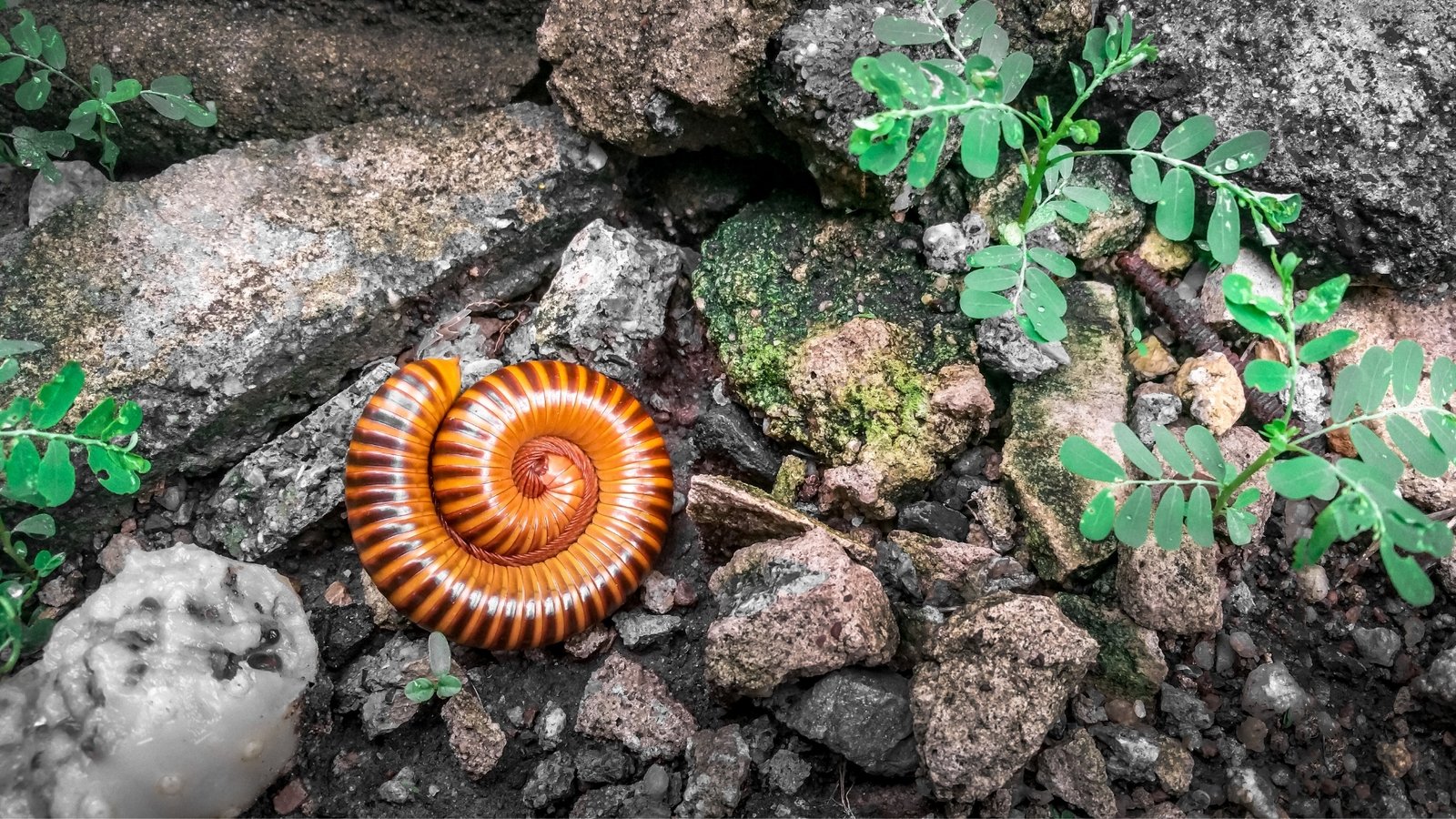
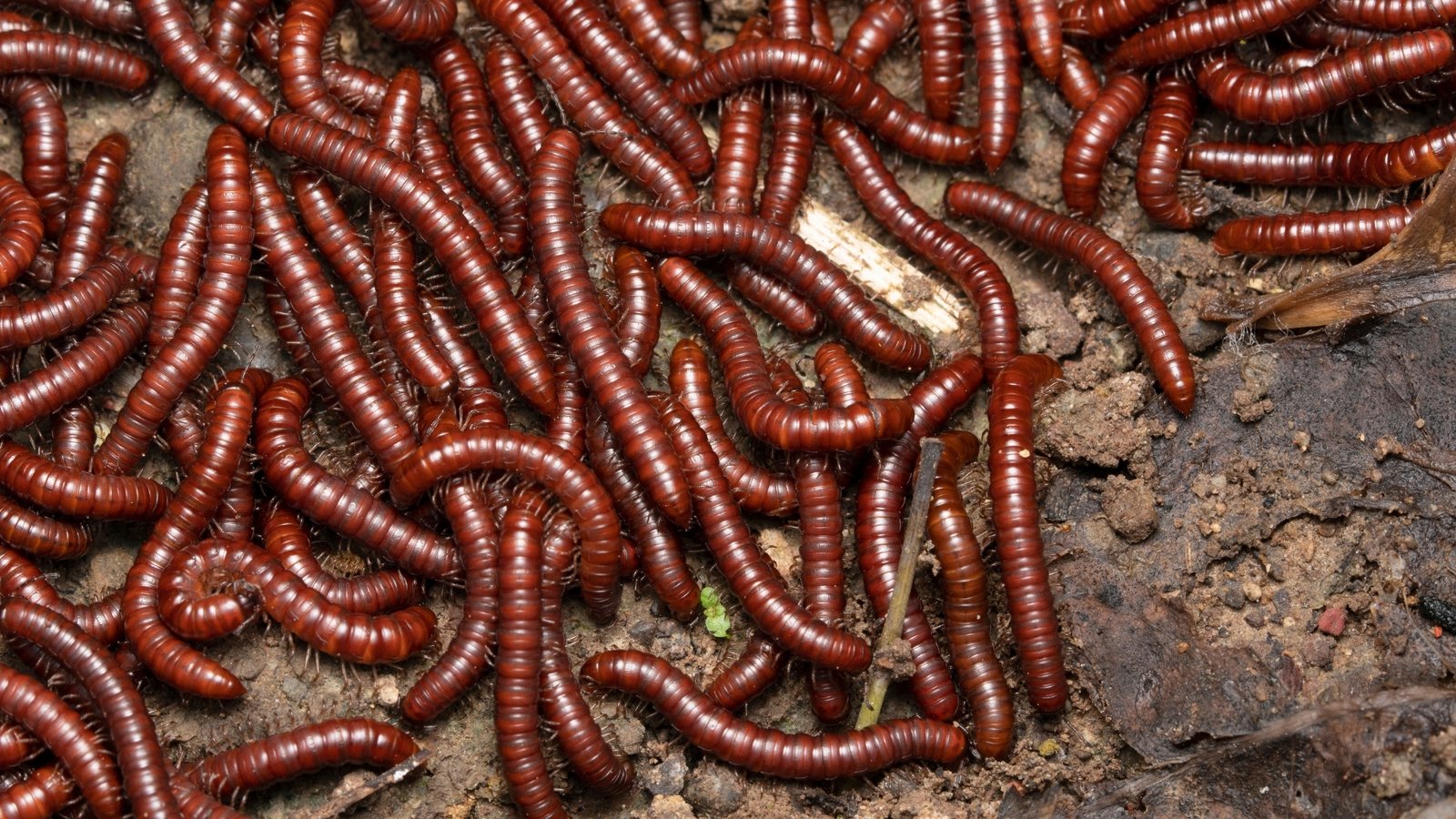
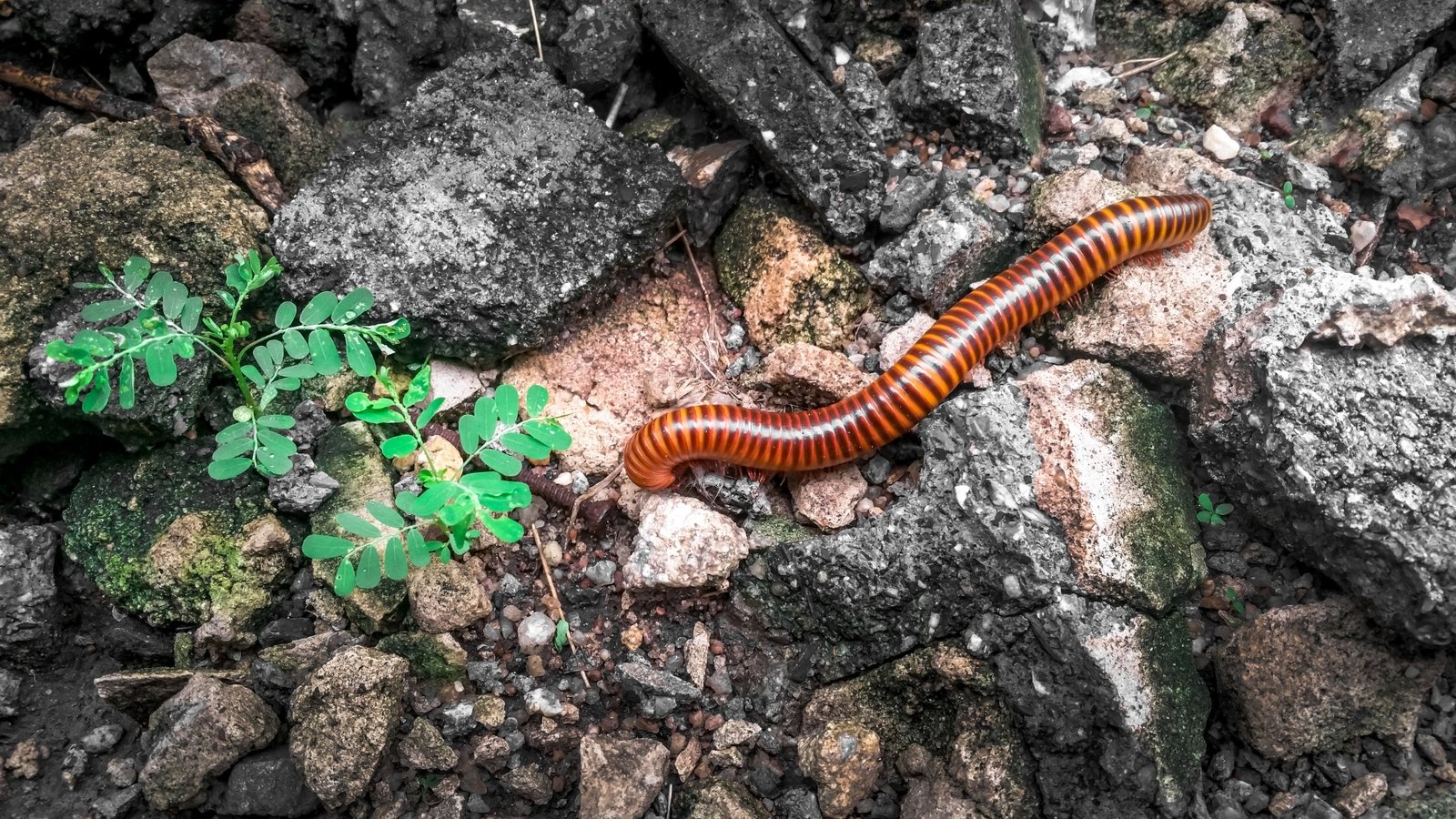
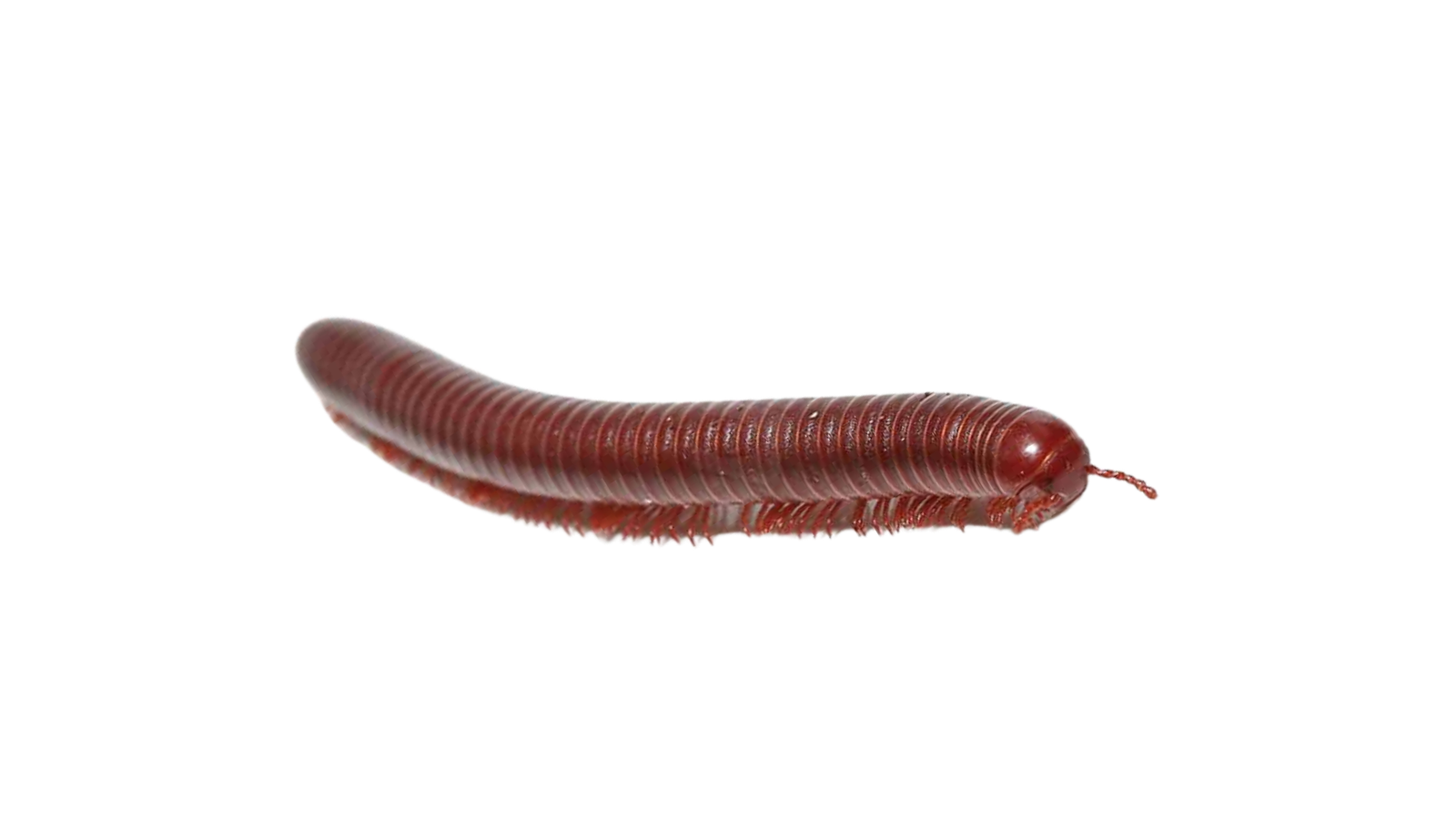
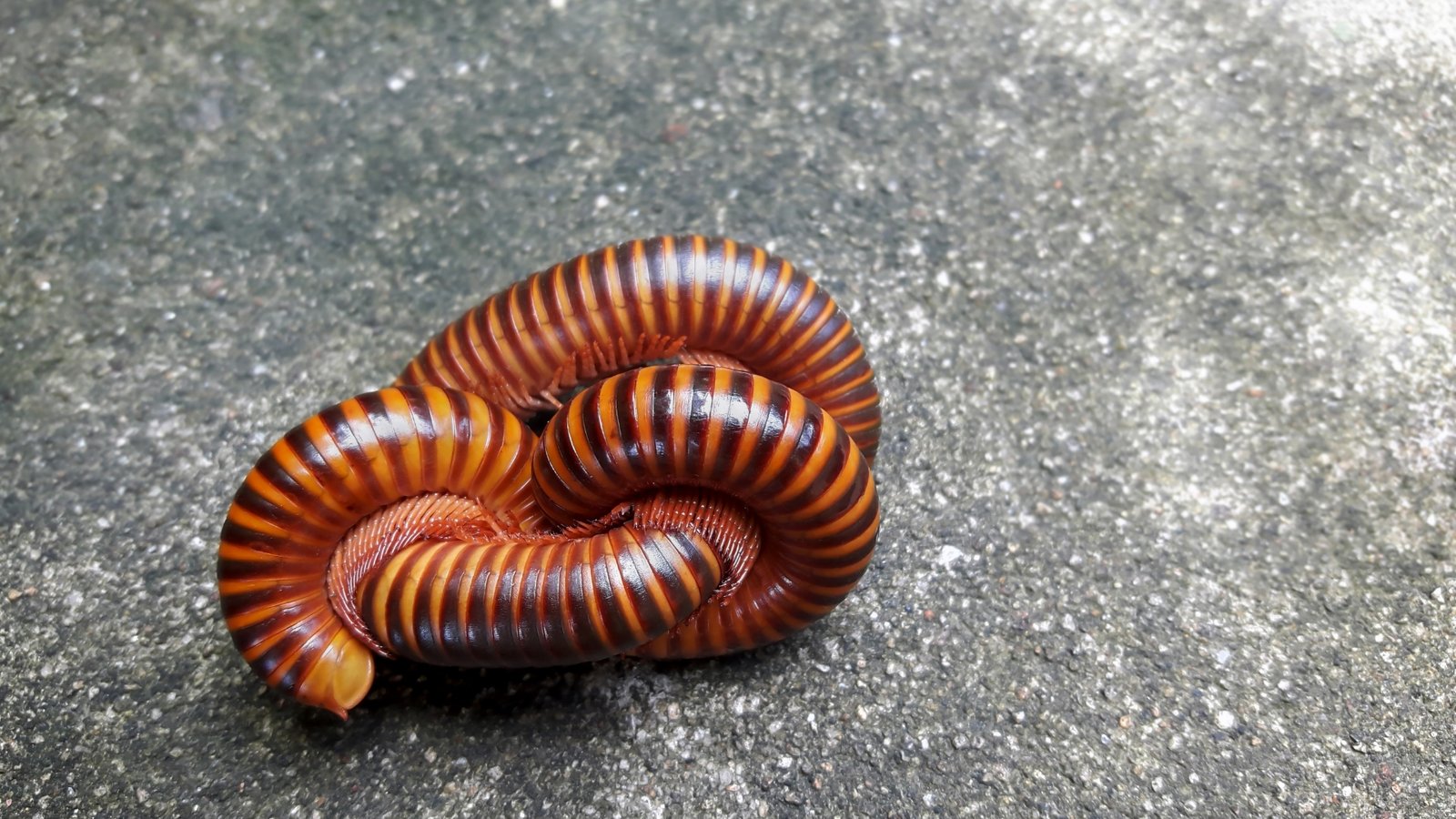
The Scarlet Millipede (Trigoniulus corallinus) is basically a living Twizzler that wandered out of a tropical compost heap and decided to major in chill vibes. MYCO-EMPORIUMS love this species because it’s brightly colored, slow-moving, and behaves like a tiny noodle janitor—cleaning up decaying matter while minding its own cosmic business. Under soft light it glows with warm coral tones, and when undisturbed it forms elegant spirals as if drafting secret geometric messages to the universe. A perfect display bioform for keepers who enjoy low-stress, low-noise roommates.
Why Keep This Species
- Brilliant coral-red coloration and smooth, glossy appearance
- Exceptionally hardy decomposer; low maintenance
- Great for classrooms and new Myco-Patrons—fun behaviors, easy observation
Keeper Profile
- Handling stance: hands-off; fragile and stress-prone to touch
- Climate targets: warm 72–80°F, humid 70–85%
- Habitat: deep substrate, leaf litter, plenty of hides, moderate ventilation
Keeper’s Summary
Provide a terrestrial enclosure with deep, nutrient-rich substrate and layers of leaf litter. Maintain warm, humid conditions with regular misting and excellent hydration options via moist microhabitats rather than open water dishes. Feed a mix of decaying leaves, vegetables, and supplemental calcium sources. Handle rarely (preferably never) and perform spot cleaning weekly with full substrate refreshes every few months.
🐾 Scarlet Millipede — Trigoniulus corallinus
- Common Name(s): Scarlet Millipede, Red Millipede, Rusty Millipede
- Scientific Name: Trigoniulus corallinus
- Native To: South & Southeast Asia — humid forests, compost-rich soils, and leaf-litter habitats
- Adult Size: 2–4 in (5–10 cm); slender, smooth-bodied
- Life Span: Typically 2–3 years in captivity with stable humidity and deep substrate
- Difficulty: Beginner-friendly; hardy detritivore requiring consistent moisture
Characteristics & Temperament
Picture Trigoniulus corallinus as the galaxy’s tiniest subway train: smooth, shiny, and determined to commute through every leaf pile in your enclosure with cosmic purpose. MYCO-PATRONS often describe it as a “quiet red comet” cruising through the mulch—never in a rush, never causing drama, just vibing like it’s listening to lo-fi beats in eight dimensions. When threatened, it curls into a perfect spiral as if buffering its next move, and when relaxed, it wanders like a miniature philosopher contemplating the mysteries of decomposition. A gentle creature with zero chaos-energy—unless you count the comedic moment when it slowly walks off-camera like a confused extra in a sci-fi sitcom.
Appearance
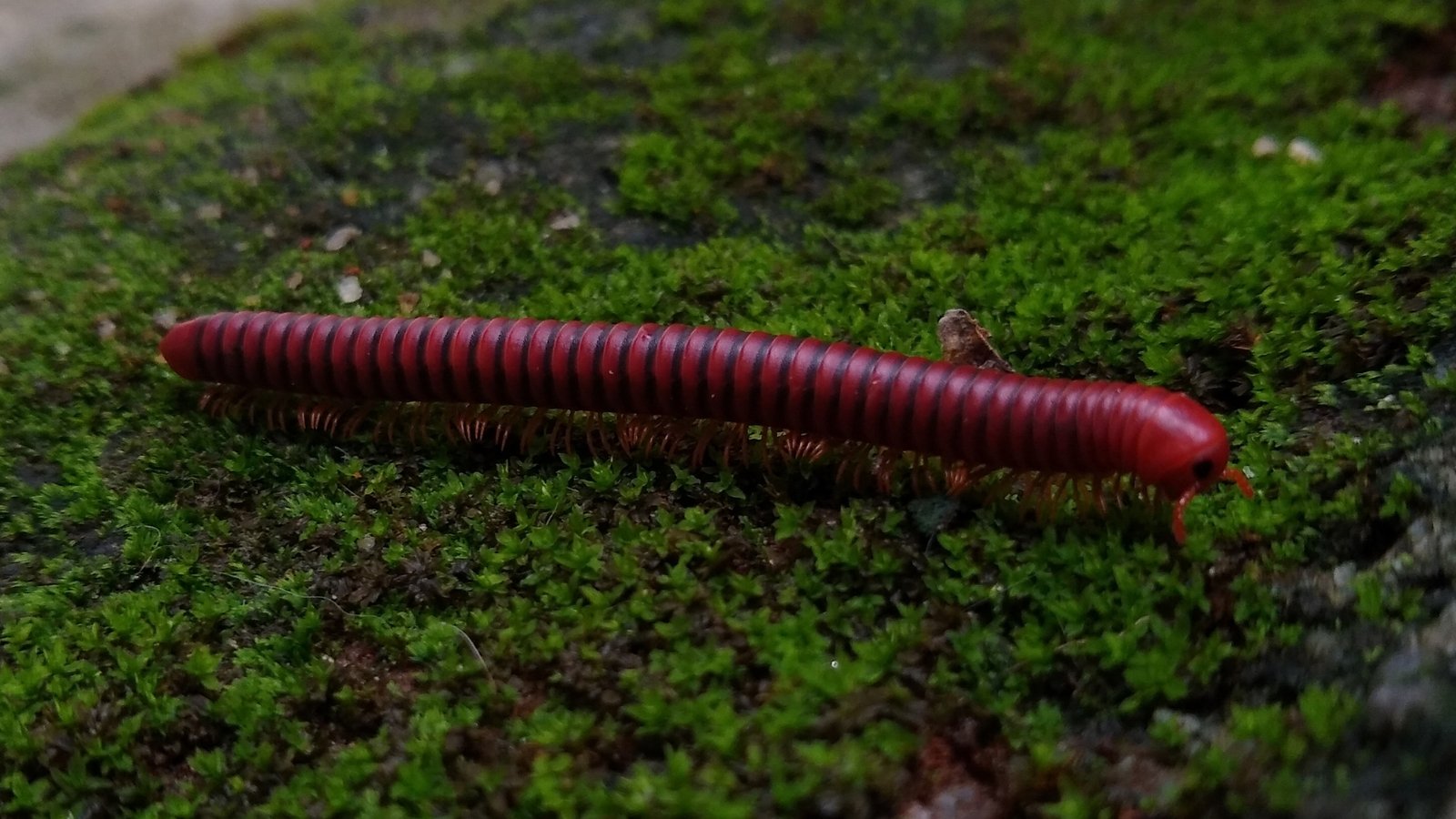
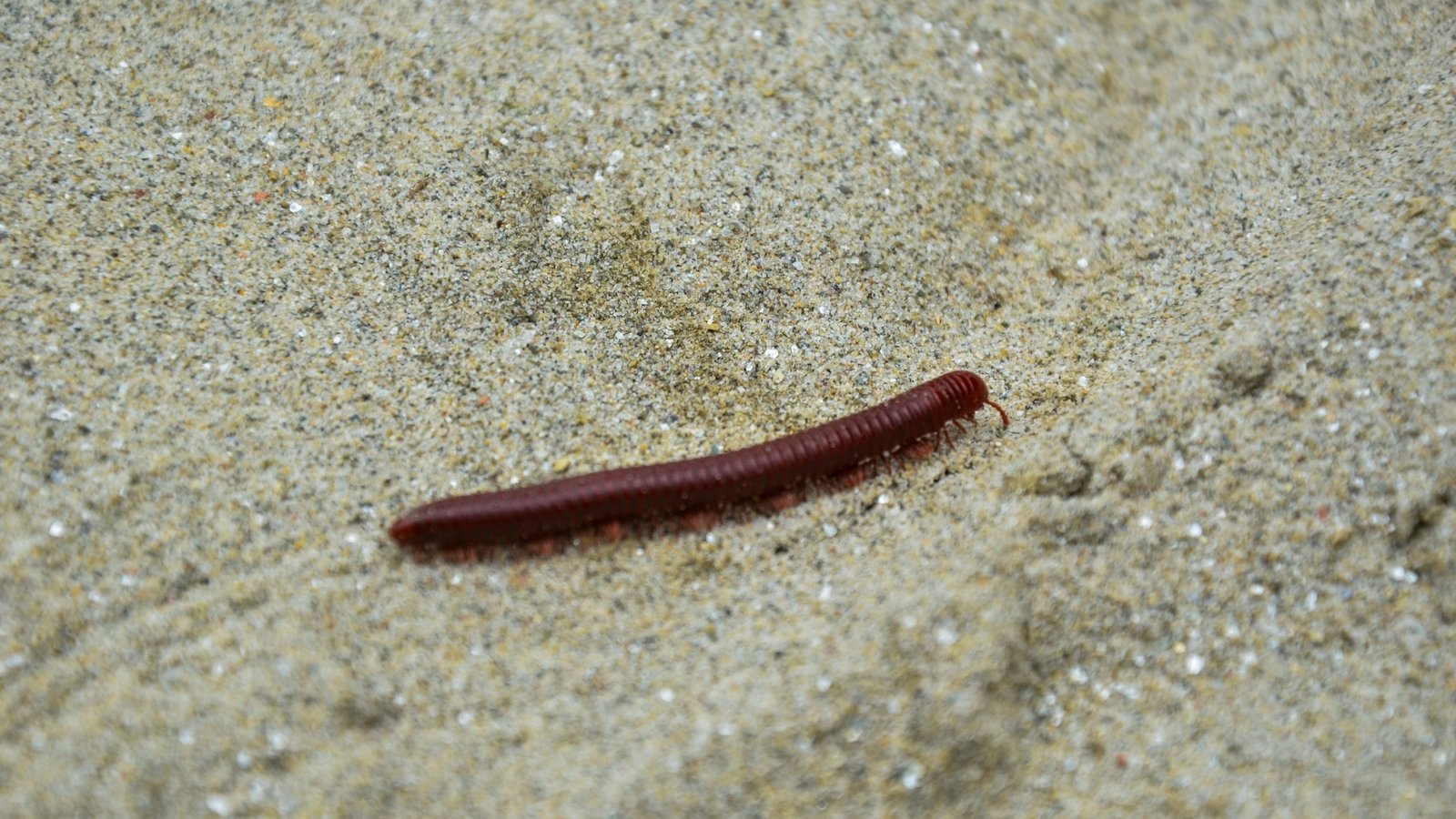
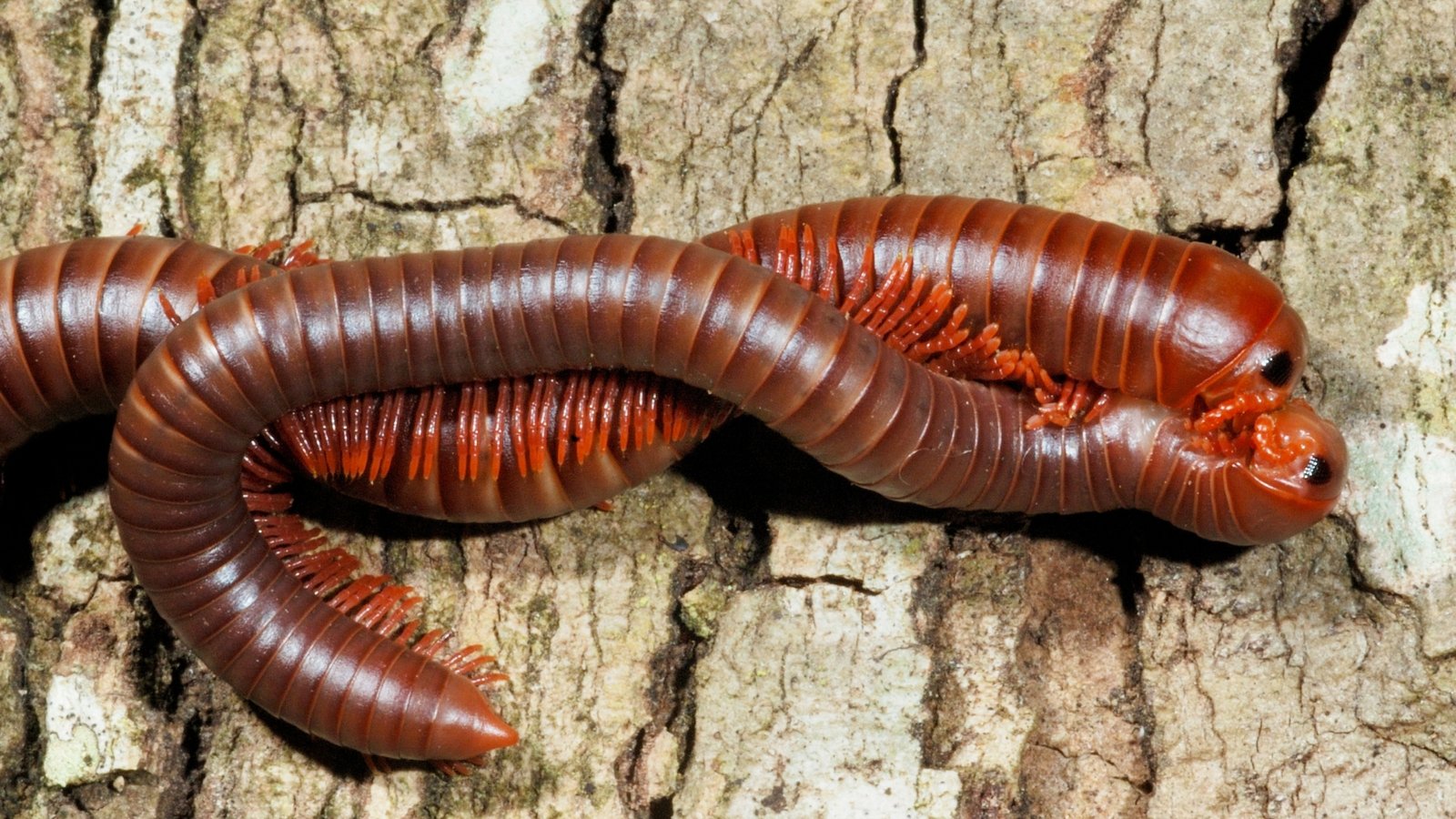
Coloration / Pattern: Deep coral-red to brick orange body with glossy, uniform segments and subtle dark banding.
Build / Form: Slender cylindrical millipede with 30+ segments and delicate, rapid-moving legs that create a “wave” motion.
Light Response: Mild reflective sheen; no strong UV fluorescence, though segments can appear brighter under blue/UV-safe LEDs.
Temperament
Baseline: Calm and shy. Prefers hiding under leaf litter during the day and exploring at night.
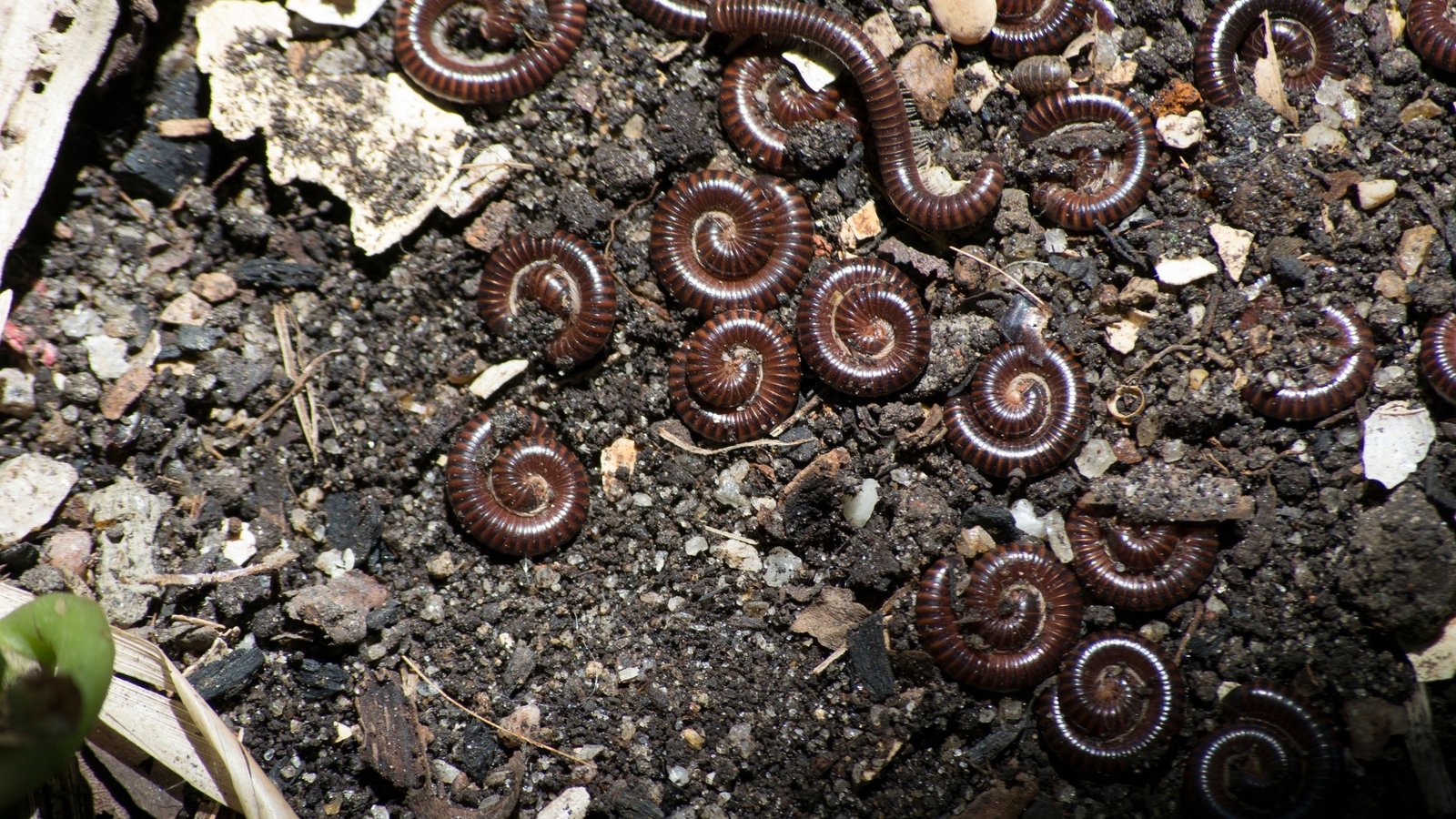
Response to Disturbance: Gently curls into a spiral; may release mild defensive odors but never bites.
Feeding Style: Slow detritivore grazer; most active in the evening and after misting.
Social Housing
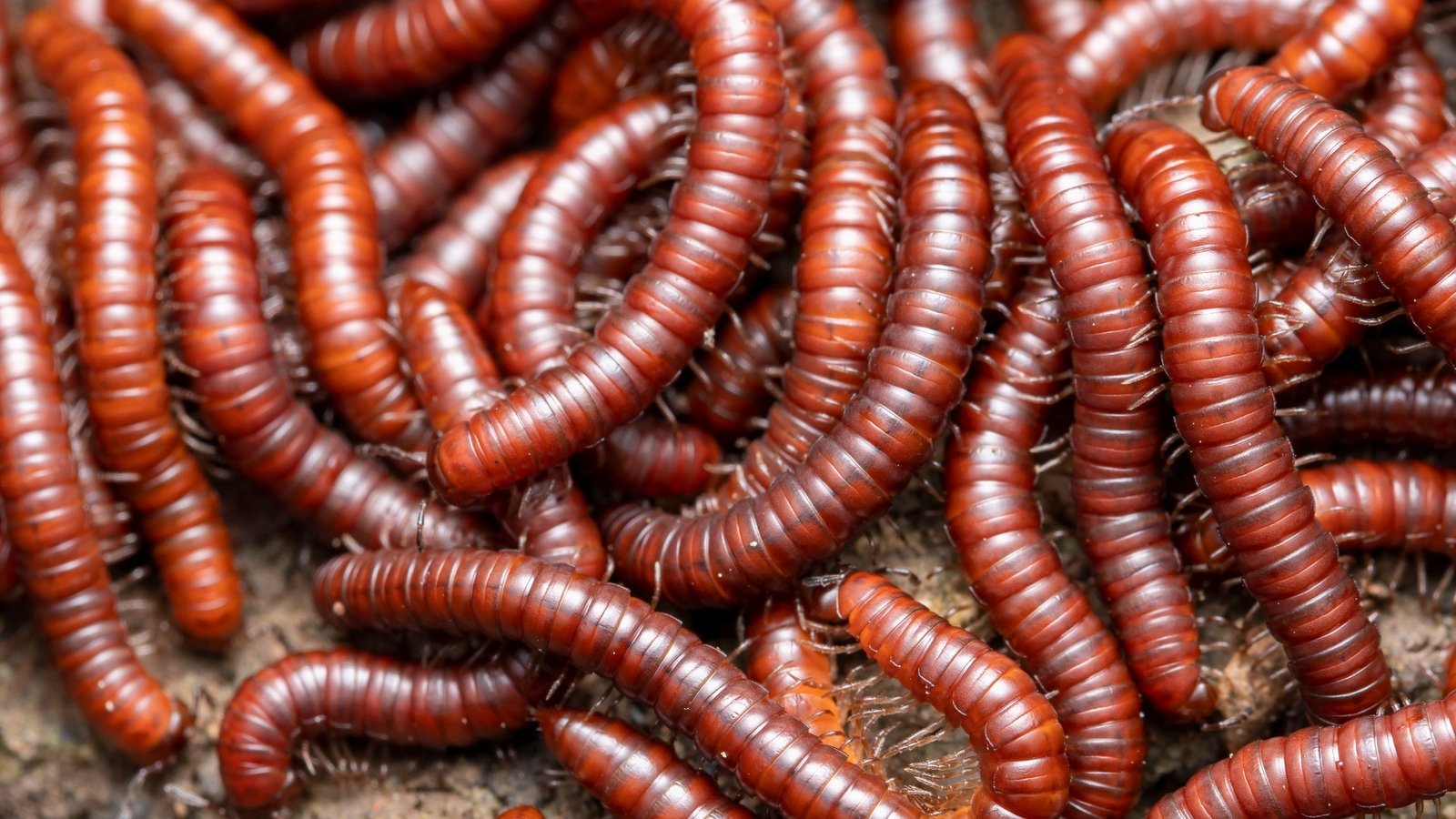
Communal-friendly. Multiple individuals coexist peacefully with abundant substrate and food. Provide numerous hides and thick litter layers. Default recommendation: Communal groups acceptable and encouraged.
Quick Traits
Keeper Notes
- Stress Signs: Excessive curling, refusal to move, persistent surface roaming.
- Confidence Builders: Deep substrate, steady humidity, abundant leaf litter.
- Display Tips: Red or dim night lighting enhances activity visibility.
Care Requirements
Core setup and environmental targets to keep Trigoniulus corallinus thriving.
Enclosure Setup
Type: Terrestrial/Burrowing.
Minimum Size: 5–10 gallon for small groups.
Safety: Secure lid, moderate ventilation, no sharp décor.
- Size: 12″×12″×12″ minimum
- Lid: Mesh or perforated locking lid
- Hides: Cork bark, leaf piles, rotting wood
- Enrichment: Bark tubes, soft logs, deep substrate gradients
Substrate
Blend: Soil, coconut fiber, decayed leaves, rotten wood.
Depth: 4–6 in (10–15 cm).
Purpose: Burrowing, moisture retention, natural feeding layer.
Habitat
- Water: Moist microhabitats; avoid standing water dishes.
- Décor: Leaf litter, moss, soft wood chunks.
- Behavior Fit: Burrower/detritivore.
Environment Targets Set & forget (monitor)
Lighting
Ambient only / UVB not required. Use a 12L:12D cycle. Night viewing via red light.
Food & Water
- Juveniles: Soft leaf litter, veggie scraps, powdered calcium 2× weekly
- Adults: Leaf litter, decomposing wood, vegetables
- Hydration: Maintain moist substrate; no standing water
- Best Time to Feed: Evening
Cleaning
- Spot-Clean: Remove mold, spoiled food weekly.
- Deep Clean: Replace substrate every 3–4 months.