![3G-Duckweed [2-oz] (Starter Sprout Cup)](https://myco-emporium.com/wp-content/uploads/2025/12/57e3eb8e-dad8-463b-837e-0b01e1b3a3a0-600x600.png "57e3eb8e-dad8-463b-837e-0b01e1b3a3a0")
![3G-Duckweed [2-oz] (Starter Sprout Cup)](https://myco-emporium.com/wp-content/uploads/2025/12/57e3eb8e-dad8-463b-837e-0b01e1b3a3a0s-600x338.png "57e3eb8e-dad8-463b-837e-0b01e1b3a3a0s")
![3G-Duckweed [2-oz] (Starter Sprout Cup)](https://myco-emporium.com/wp-content/uploads/2025/12/57e3eb8e-dad8-463b-837e-0b01e1b3a3a0-100x100.png "57e3eb8e-dad8-463b-837e-0b01e1b3a3a0")
![3G-Duckweed [2-oz] (Starter Sprout Cup)](https://myco-emporium.com/wp-content/uploads/2025/12/57e3eb8e-dad8-463b-837e-0b01e1b3a3a0s-100x100.png "57e3eb8e-dad8-463b-837e-0b01e1b3a3a0s")
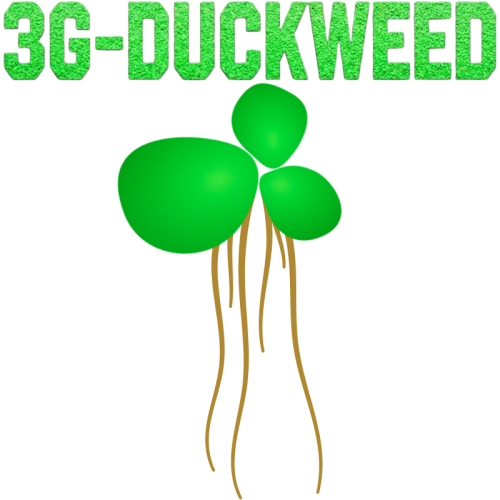
3G-Duckweed: Living Green From the Sacred Cradle Ponds
Deep within the moss-draped mystic forests of Green Grass Grove, where the artesian waters flow and
breathes life into an ancient North Florida wilderness, we cultivate a tiny biological wonder.
3G-Duckweed is a field-tested symbiosis of hardy Duckweed species & Watermeal
(Lemna spp., Spirodela, Wolffia spp.)—the smallest flowering plant on Earth.
Fed by cool, crystal-clear artesian springs, these rootless plants act as powerful "nitrate sponges,"
converting waste into high-protein fuel. When you introduce a starter culture, you aren’t just adding
decor; you are inheriting a self-replicating, living filtration system from a timeless world.
The Cradle Ponds of Green Grass Grove
In the quiet heart of Northern Central Florida, beneath towering pines and soft morning mists,
lie the Cradle Ponds of Green Grass Grove — shallow, shimmering worlds where nature has
perfected a single craft across thousands of seasons: the rise of living green.
From these waters, we cultivate 3G-Duckweed — a vibrant, ever-replicating plant
complex revered for its resilience and its role as the pulse of freshwater ecosystems.
Each culture we offer is hand-harvested, rinsed in clean artesian well-water, and nurtured
like a tiny emerald constellation, ready to spark new aquatic realms for Myco-Patrons and
Cosmic Gardeners everywhere.
These are not ordinary starter cultures. They are micro-worlds — alive, ancient,
diverse, and eager to bloom again under your care.
How We Grow 3G-Duckweed
Every culture we send out starts life in outdoor tubs and ponds that experience real Florida weather — filtered sun, warm rains, cool snaps, and seasonal shifts. That’s how we select for Duckweed & Watermeal that can actually thrive for you, not just survive in a lab.
Artesian & Sky-Fed
- Primary Base: On-site well water from Green Grass Grove, typically low in chlorine and rich in minerals.
- Rain Top-Offs: Collected rainwater adds softness and helps mimic natural pond cycles.
- Zero Chemical Sterilizers: We rely on time, rinsing, and good culture hygiene rather than harsh treatments.
Shade, Light & Air
- Filtered Sun: Partial shade from trees or shade cloth keeps growth strong without cooking the surface.
- Open Air: Cultures stay outdoors so they get natural gas exchange and gentle surface movement.
- Depth Control: Shallow trays and tubs encourage fast spreading and easy harvest.
Healthy Mats Only
- We harvest from dense, bright-green mats with no off smells or heavy sludge buildup.
- Any tray that looks stressed, off-color, or invaded by problem algae is excluded from available cultures.
- New starter tubs are constantly “rotated in” so the line stays strong and diverse.
How to Keep 3G-Duckweed Happy
Duckweed is tough, but it still has preferences. Follow these simple ranges and habits and your starter cup can turn into a long-term, self-renewing green engine.
Soft Sun, Calm Water
- Indoors: Use a basic aquarium/plant LED or bright window light; avoid baking it in a south-facing sill.
- Outdoors: Morning sun / afternoon shade is ideal. Shade cloth is your friend in Florida summers.
- Keep the surface mostly still; strong bubbling or waterfalls shred the tiny fronds.
Not Crystal-Clear
- Use dechlorinated tap, well, or aged aquarium water.
- A faint “tea tint” from leaves or botanicals usually means there’s food available.
- If growth stalls or fronds pale, add a tiny amount of fish food or pond-safe plant fert and wait a week.
Treat It Like a Starter
- Once coverage hits 60–80% of the surface, begin harvesting small scoops regularly.
- Never strip everything bare; always leave a patch to rebound.
- Keep a backup culture cup or tub in a safer spot, especially in freeze-risk seasons.
3G-DUCKWEED CARE CONSOLE
Each 3G-Duckweed cup is a live fragment of our Cradle Ponds: a natural blend of fast-spreading Duckweed (Lemna spp.) and tiny Watermeal (Wolffia spp.). Use this console to match your setup and dial in lighting, water movement, and harvest routine so your culture thrives without turning into an out-of-control blanket.
Pond (Animal-Free)
Ideal when you want bulk growth for future projects, compost, or backup cultures. A still, animal-free pond lets the Lemna + Wolffia blend focus purely on light, nutrients, and replication.
- Use dechlorinated or well water with only gentle circulation.
- Start with 4–8 oz culture for most small/medium ponds.
- Provide 4–8 hours of bright, indirect or filtered daylight.
- Harvest weekly to prevent 100% surface coverage.
Pond with Aquatic Life
Designed for ponds with fish, turtles, tadpoles, or frogs that love browsing soft greens. Duckweed + Watermeal become both a live snack bar and a cooling shade canopy.
- Introduce in dense clumps so it isn’t eaten instantly.
- Use 4–8 oz or more for goldfish, koi, or hungry grazers.
- Reduce “boiling” surface agitation where possible.
- Top up weekly until growth balances grazing.
Aquarium
In glass tanks, 3G-Duckweed shines as a floating nitrate sponge and gentle dimmer for bright LEDs. Great for shy fish, low-tech live plants, and naturalistic display tanks.
- Turn filter outlets slightly downward to calm the surface.
- Use 2–4 oz for smaller tanks; more for heavy bioloads.
- Provide 6–10 hours of consistent light per day.
- Skim extra weekly to keep light and gas exchange balanced.
Bioactive & Paludarium
For amphibian enclosures, paludariums, and ripariums, Duckweed + Watermeal act as a living bridge between land and water zones, supporting microfauna and softening hard edges.
- Use in shallow channels, trays, or pools with leaf litter.
- Provide bright indirect light or full-spectrum LEDs.
- Top off with dechlorinated/RO water, not straight tap.
- Let some zones grow thick as micro-habitat for inverts.
Outdoor Culture Tanks & Totes
Use bins, IBC totes, or troughs as dedicated Duckweed farms for compost, animal feed, or backup cultures. Think “mini-ponds with a specific job.”
- Place where they get morning sun and afternoon shade.
- Seed with 4–8 oz per 50–100 gallons for quick coverage.
- Add leaf litter or aged compost as nutrient source.
- Harvest weekly; consider an airstone if water goes stagnant.
DETAILED SETUP GUIDES
Pond (Animal-Free) CALM WATER • MAXIMUM SPREAD
Best for new cultures you want to grow aggressively for future projects. A still, animal-free pond lets Duckweed and Watermeal focus fully on light, nutrients, and replication.
Quick Start
- Use dechlorinated or well water with gentle circulation only.
- Start with at least a 4 oz “Grove Grower” cup for small ponds; 8 oz for larger ones.
- Gently scatter the culture across the surface so fronds can spread and stabilize.
- Ideal light: 4–8 hours of bright, indirect sun or filtered daylight.
Ongoing Care
- Expect visible spread within 3–7 days under good conditions.
- Thin out extra growth weekly to prevent complete surface coverage.
- Use removed biomass for compost, worm bins, or to seed culture tubs.
- Watch for yellowing fronds – a sign of low nutrients or poor water quality.
Watch Out For
- Strong waterfalls or fountains constantly dunking fronds underwater.
- Full, unfiltered Florida sun all day on shallow ponds (risk of overheating).
- Sudden water chemistry swings from large, rapid water changes.
Pond with Aquatic Life FOOD SOURCE • SHADE CANOPY
Perfect for fish, turtles, tadpoles, and frogs that enjoy browsing on soft plant matter. Here, Duckweed + Watermeal function as both a renewable food source and soft surface shade.
Quick Start
- Introduce cultures in dense clumps, not a thin sprinkle, so they aren’t eaten instantly.
- Use at least 4–8 oz for ponds with active grazers like goldfish or koi.
- Turn down strong surface agitation where possible so fronds can regroup.
Ongoing Care
- Expect heavier grazing at first; cultures stabilize as growth matches consumption.
- Top up with new portions weekly if fish are “mowing” the surface clean.
- Monitor water quality – Duckweed helps absorb nutrients but does not replace filtration.
- Maintain 20–30% open surface for gas exchange and viewing.
Watch Out For
- Large herbivorous fish that can wipe out cultures overnight if starting volumes are tiny.
- Overfeeding fish – Duckweed helps, but excess waste still causes problems.
- Dead zones where debris builds up under thick mats – thin and skim regularly.
Aquarium FLOATING FILTER • SOFT SHADE
In glass tanks, 3G-Duckweed helps soak up nitrates and diffuse bright lights. Shy fish, shrimp, and low-tech planted setups often show calmer, more natural behavior under a Duckweed canopy.
Quick Start
- Use dechlorinated water with a stable temperature (72–80°F / 22–27°C for most tropical setups).
- Angle filter outlets or spray bars slightly downward to reduce surface “boil.”
- Add 2–4 oz for small tanks; scale up for larger, heavily stocked aquariums.
Ongoing Care
- Provide 6–10 hours of consistent lighting per day; LED plant lights are ideal.
- Harvest extra Duckweed weekly so it doesn’t fully block light to submerged plants.
- Use a fine net or cup to scoop, then strain and re-use or compost.
- Track nitrates over time – thriving Duckweed usually means cleaner water.
Watch Out For
- High-flow filters that constantly dunk or trap fronds.
- Duckweed clogging overflows or intakes – use pre-filter sponges or guards.
- Labyrinth fish (bettas, gouramis) needing open surface for air-breathing.
Bioactive & Paludarium MICRO-WETLAND • ECO BRIDGE
In bioactive or paludarium builds, Duckweed and Watermeal help connect water areas to land zones, creating floating micro-habitats that support invertebrates and soften hard décor lines.
Quick Start
- Use shallow water trays, channels, or pools with wood, stones, and leaf litter.
- Add 2–4 oz of culture to each water zone you want to turn into a living surface.
- Provide bright indirect light or full-spectrum LEDs positioned above the waterline.
Ongoing Care
- Top off evaporated water with dechlorinated or RO water (not straight tap).
- Skim and relocate Duckweed if it drifts into “view windows” you’d like kept clear.
- Allow certain corners to grow thicker as micro-habitat for springtails and isopods.
- Rinse extra cultures before feeding them to animals outside the enclosure.
Watch Out For
- Standing water that becomes stagnant under dense mats and low flow.
- Misting systems constantly blasting the surface, forcing fronds to sink.
- Uneaten animal food trapped beneath floating plants – spot clean routinely.
Outdoor Culture Tanks & Totes BULK GROWTH • OFF-GRID PRODUCTION
Turn IBC totes, cattle troughs, or storage bins into dedicated Duckweed farms. These culture tanks feed ponds, animals, worm bins, and compost projects while also acting as backup genetics.
Quick Start
- Place tanks where they receive morning sun and afternoon shade to avoid overheating.
- Fill with well water or dechlorinated tap; add leaf litter or aged compost for nutrients.
- Seed with at least 4–8 oz of 3G-Duckweed per 50–100 gallons to establish quickly.
Ongoing Care
- Harvest weekly; biomass regenerates quickly under warm, nutrient-rich conditions.
- Rotate harvested portions into ponds, aquariums, or appropriate animal feed setups.
- Add a simple air stone if water begins to feel stagnant or develops odors.
Watch Out For
- Mosquito larvae in unstocked tanks – use pond-safe mosquito dunks if needed.
- Heavy rains diluting nutrients and slowing growth – re-enrich with organics as needed.
- Cold snaps or hard frosts – keep a small backup culture indoors in cooler seasons.
3G-Duckweed Culture Sizes
All 3G-Duckweed cultures are harvested live from our managed Cradle Ponds at Green Grass Grove and packed by true biomass volume. Core sizes are maintained year-round. Larger volumes are grown intentionally and released only when pond health and seasonal growth cycles allow.
Sprout Cup
Best for first-time growers and controlled indoor environments.
- Nano tanks
- Education & testing
- Backup cultures
Grove Grower
The most balanced option for fast canopy formation and easy control.
- Paludariums
- Patio ponds
- Starter sharing
Pond Ignition Pack
Designed to establish dominance in outdoor systems before grazing begins.
- Backyard ponds
- Stock tanks
- Outdoor grow-outs
Produced selectively based on pond health, weather stability, and seasonal biomass.
Colony Builder • 16 oz
Supports heavy grazing environments and continuous regeneration.
- Koi & turtle ponds
- Multi-tank distribution
- Feed rotation
Grove Reservoir • 32 oz
Homestead-scale culture designed to anchor multiple systems.
- Multi-pond sites
- Routine harvesting
- Seasonal reserves
Cradle Pond Core • 128 oz
True mother culture reserved for educators and advanced growers.
- Research ponds
- Education programs
- Production seeding
Did you know? Duckweed can double every 24–48 hours under ideal conditions. An 8 oz culture can become a full tote-covering canopy in under a week with stable nutrients.
How We Feed 3G-Duckweed
Healthy Duckweed is not grown on “fertilizer dumps.” At Green Grass Grove, our cultures are fed using a controlled, low-stress nutrient strategy designed to mimic natural wetlands while producing dense, fast-rebounding biomass.
Our Nutrient Philosophy
Duckweed absorbs nutrients directly through its fronds and rootlets. Because of this, aggressive or unbalanced feeding can cause melt-offs, algae blooms, or complete culture collapse.
- We prioritize stability over speed
- We avoid harsh synthetic fertilizers
- We maintain living, biologically active water
What Goes Into Our Cradle Ponds
Our feeding inputs are intentionally gentle and layered to support long-term growth rather than short bursts.
- Trace minerals to support cell division
- Chelated iron for deep green coloration
- Low-ammonia nitrogen sources to prevent burn
- Natural humic compounds for nutrient buffering
- Sunlight-driven photosynthesis, never force-grown indoors
Why This Matters for Your System
Duckweed raised in balanced conditions adapts more easily to new ponds, barrels, and aquariums. Cultures rebound faster after shipping and are far less likely to crash when introduced to a new environment.
- Faster surface coverage
- Reduced transplant shock
- Improved resistance to temperature swings
Important: When feeding Duckweed at home, less is more. Over-feeding is the #1 cause of Duckweed failure. Always start with low nutrient levels and observe growth before adding more.
Product Name: 3G-Duckweed – Duckweed & Watermeal Blend
Botanical Composition:
• Duckweed: Lemna minor, Lemna minuta, seasonal Spirodela polyrhiza
• Watermeal: Wolffia spp.
All cultures originate from privately managed aquatic systems at Green Grass Grove under The Mushroom Network, LLC nursery operations. Handling follows all FDACS guidance for intrastate movement of live aquatic plants.
The Mushroom Network, LLC oversees all aquatic plant production for
Green Grass Grove and 3G-DUCKWEED.
Cultures are grown exclusively in privately owned, controlled water systems
and prepared in accordance with Florida Department of Agriculture & Consumer Services (FDACS)
Nursery & Plant Industry standards.
No wild harvesting is performed. All included species are
non-restricted and non-prohibited in Florida and are rinsed, cleaned,
and inspected using FDACS-aligned sanitation protocols.
![3G-Duckweed [2-oz] (Starter Sprout Cup)](https://myco-emporium.com/wp-content/uploads/2025/12/57e3eb8e-dad8-463b-837e-0b01e1b3a3a0-300x300.png "57e3eb8e-dad8-463b-837e-0b01e1b3a3a0")
![3G-Duckweed [2-oz] (Starter Sprout Cup) – alternate view](https://myco-emporium.com/wp-content/uploads/2025/12/57e3eb8e-dad8-463b-837e-0b01e1b3a3a0s-1200x675.png)