Dryophytes squirellus — Introduction & Overview
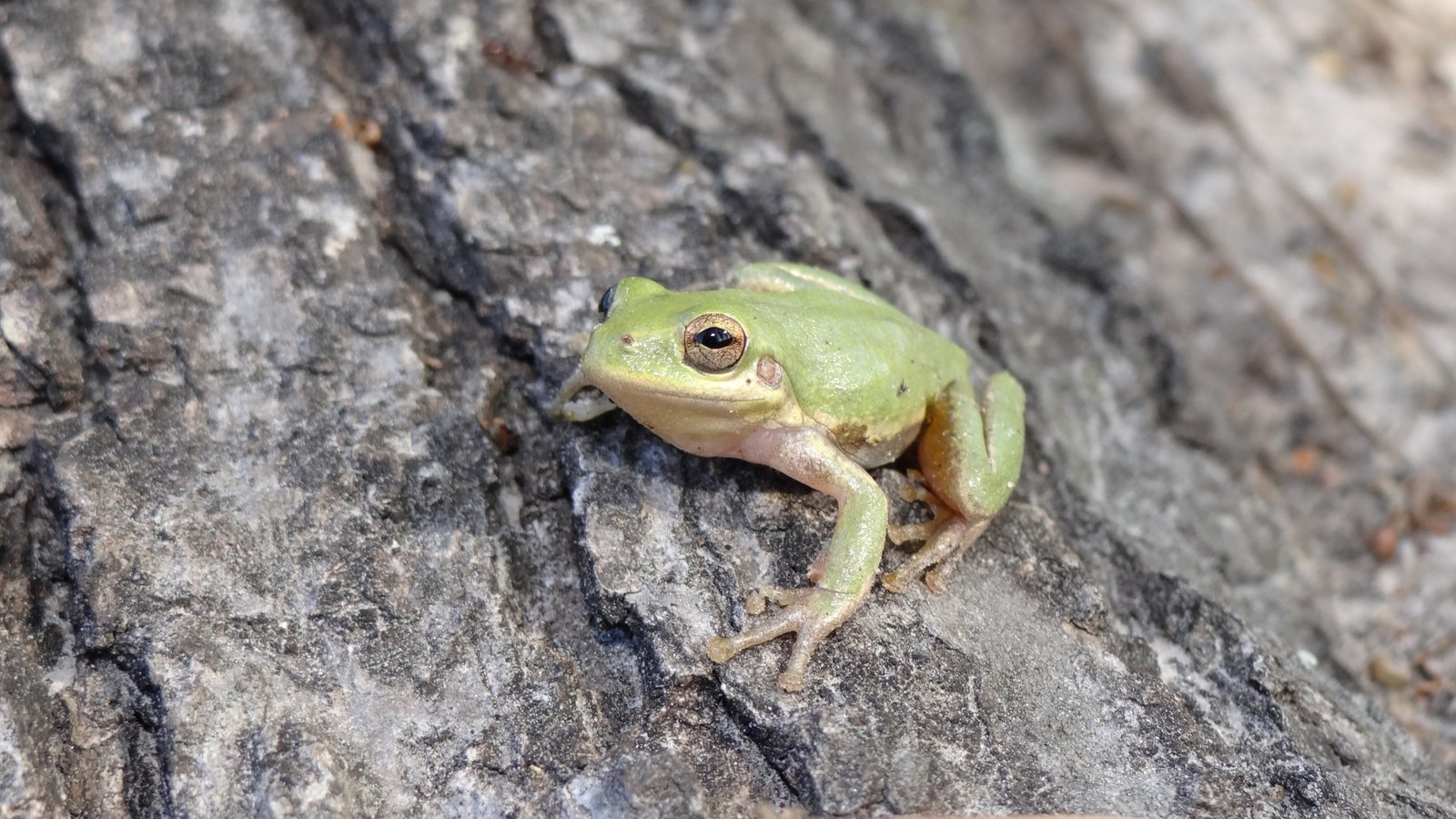
Meet the Squirrel Treefrog: a tiny, color-shifting, leaf-hopping neon nugget of pure chaotic amphibian enthusiasm. Myco-EMPORIUMS love this species for its expressive “I’m totally calm—no wait I’m teleporting” energy and its habit of appearing in new places like it’s glitching through reality. When content, it perches like a smug gummy candy; when excited, it becomes a sticky green lightning bolt. Charming, hardy, and endlessly watchable, this little frog brings big personality to any arboreal setup.
Why Keep This Species
- Chameleon-like color shifting from green to brown
- Very hardy with simple arboreal needs
- Entertaining nocturnal activity and bold feeding behavior
Keeper Profile
- Hands-off: minimal handling recommended
- Warm, humid subtropical conditions (72–85°F, 60–80% RH)
- Arboreal habitat with foliage, vertical space, and ample climbing
Keeper’s Summary
Provide a vertically oriented, well-planted enclosure with daily misting, gentle airflow, and consistently clean water droplets for drinking. Feed small insects in the evening, maintain moderate warmth and humidity, and avoid direct handling to protect this frog’s sensitive skin. With stable conditions, Dryophytes squirellus thrives as a lively, low-maintenance display species.
🐾 Squirrel Treefrog — Dryophytes squirellus
Characteristics & Temperament
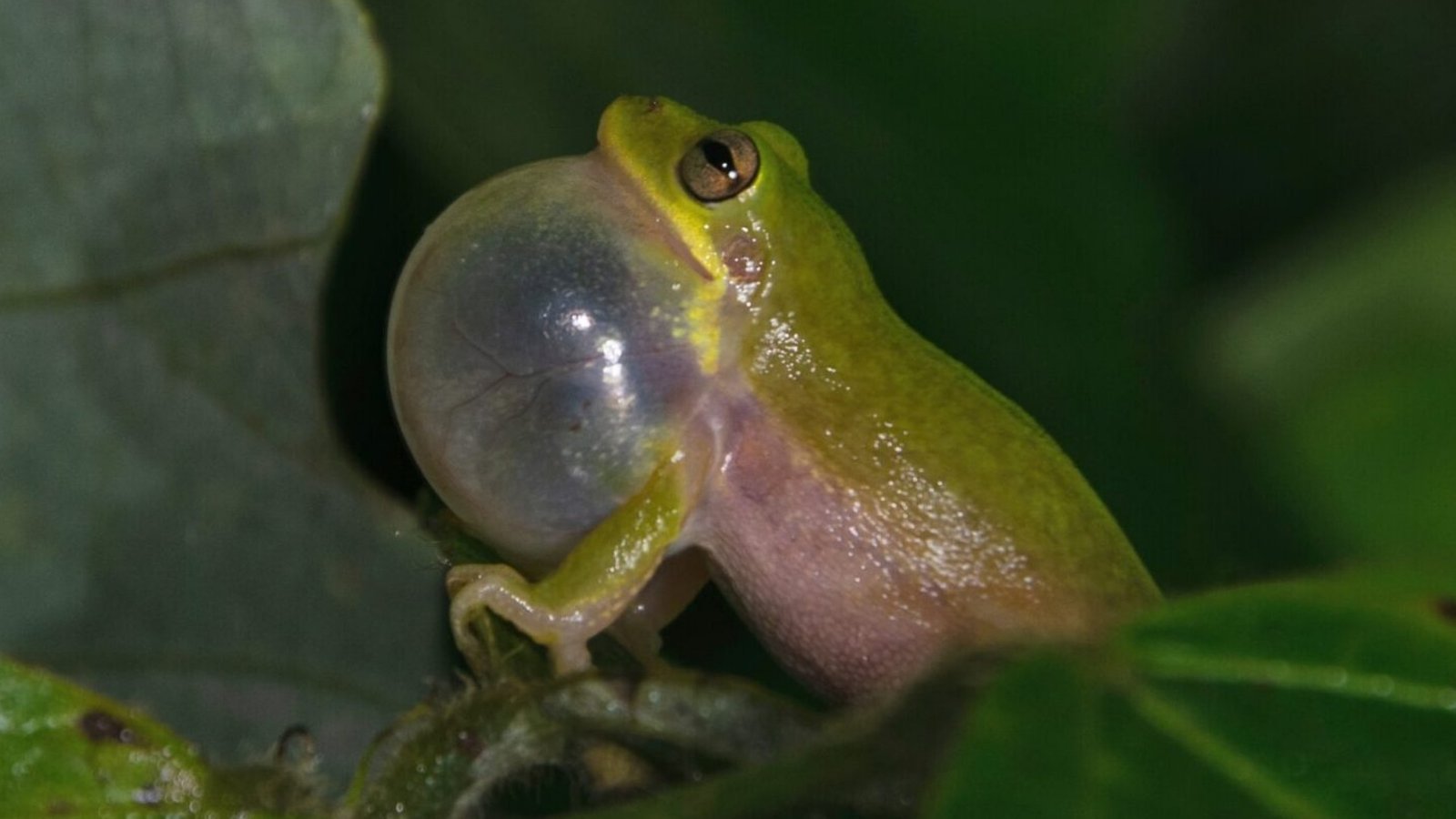
Picture Dryophytes squirellus as the universe’s smallest improv comedian: one second it’s blending into a leaf like it has a stealth module installed, the next it leaps across the enclosure like it’s trying to escape a tax audit. Myco-Patrons adore this frog because its movements feel like controlled chaos—never dangerous, always entertaining. As night falls, it activates “party mode,” bouncing between leaves with the confidence of a creature that truly believes it starred in a sci-fi musical. Beneath the humor, though, lies a gentle, moisture-loving soul built for life among branches and moonlit droplets.
Appearance
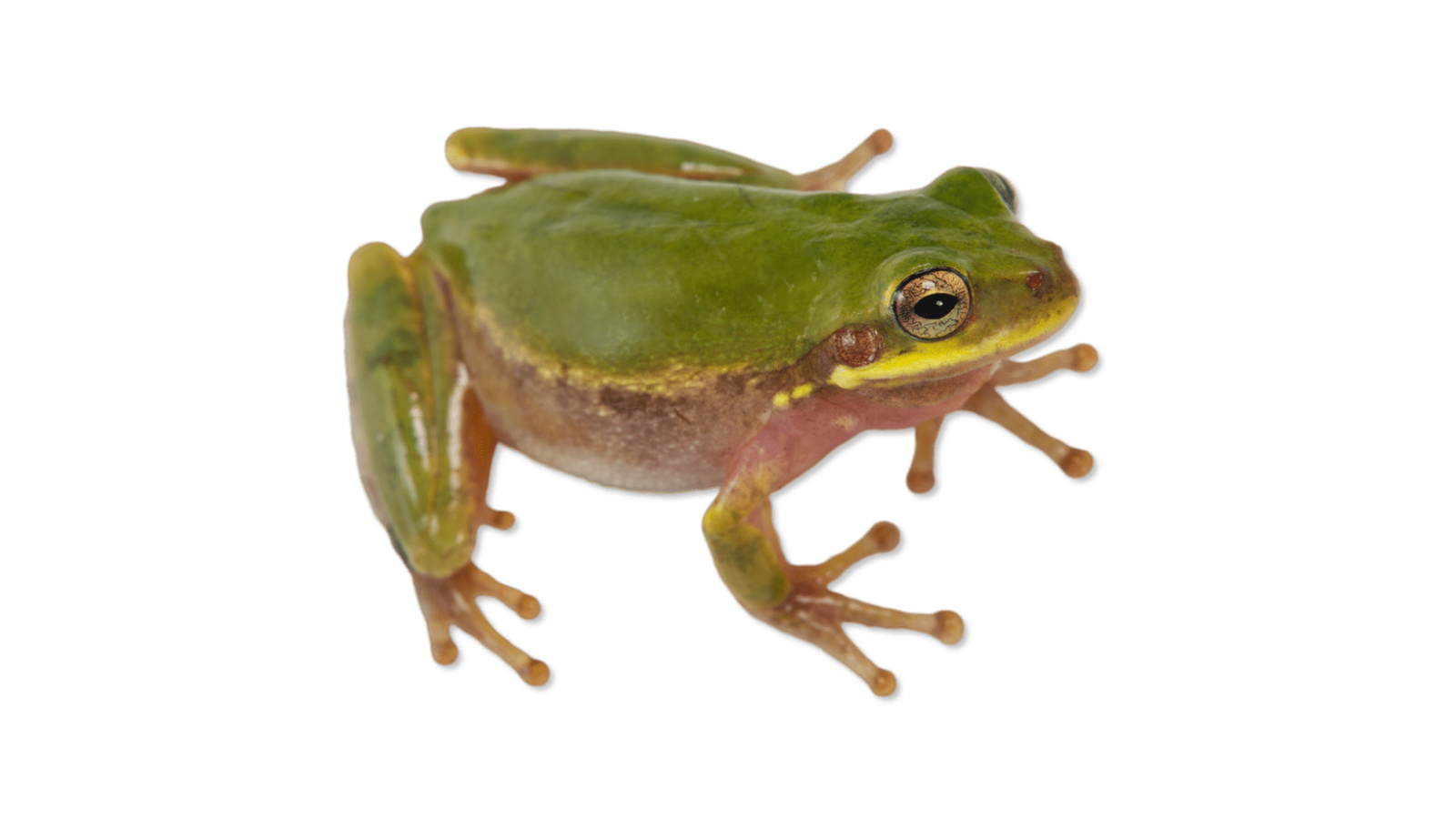
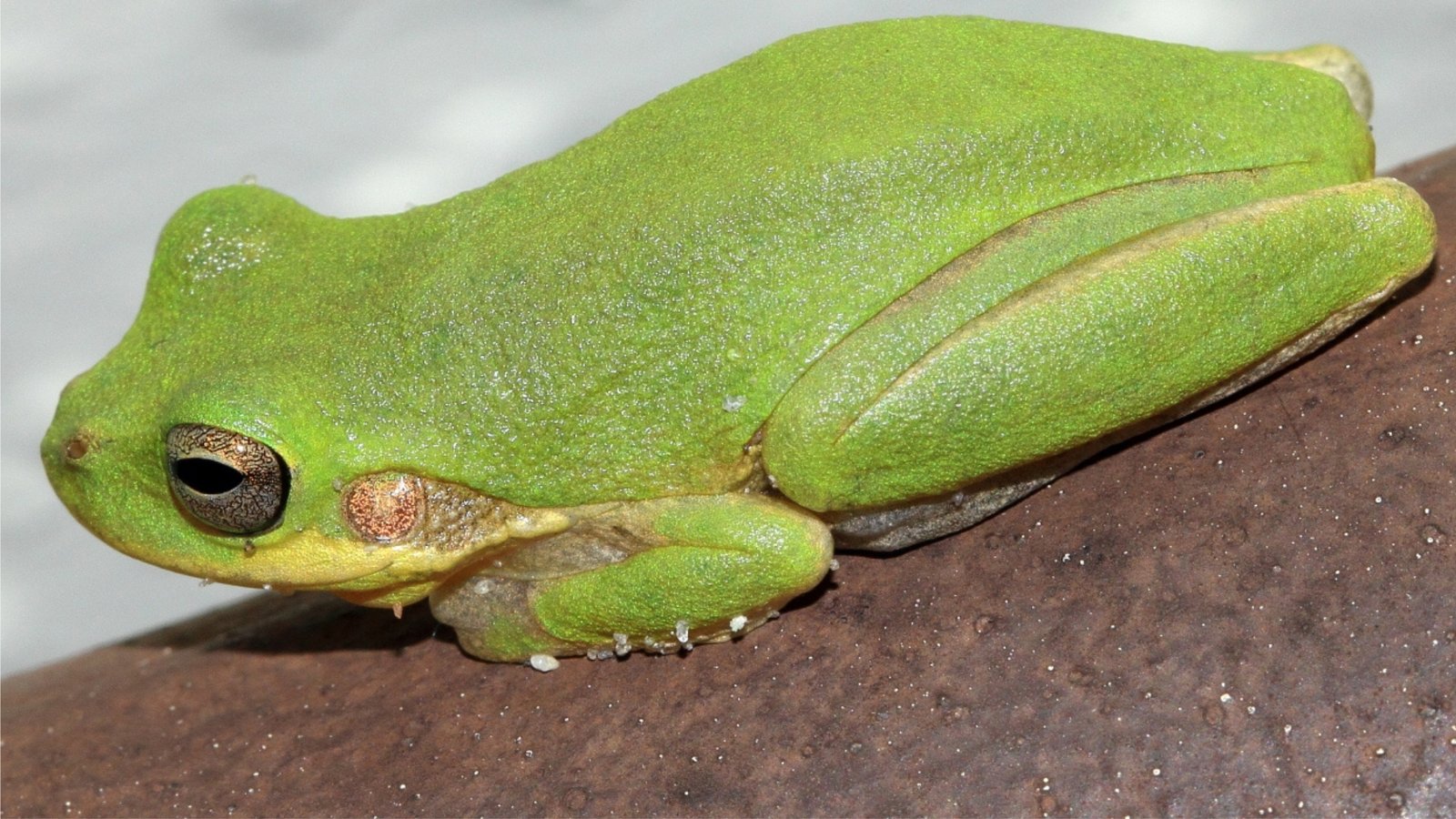
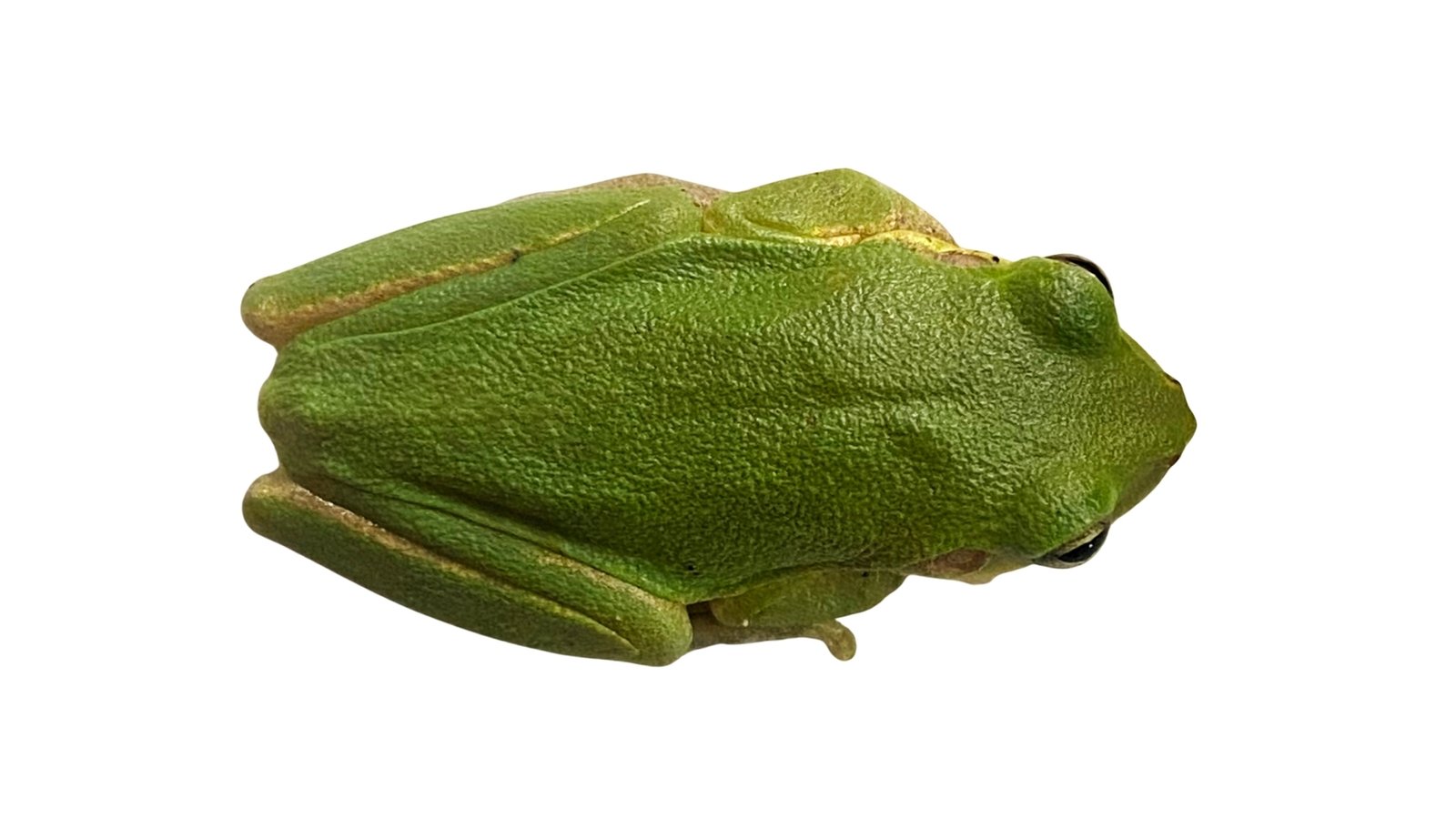
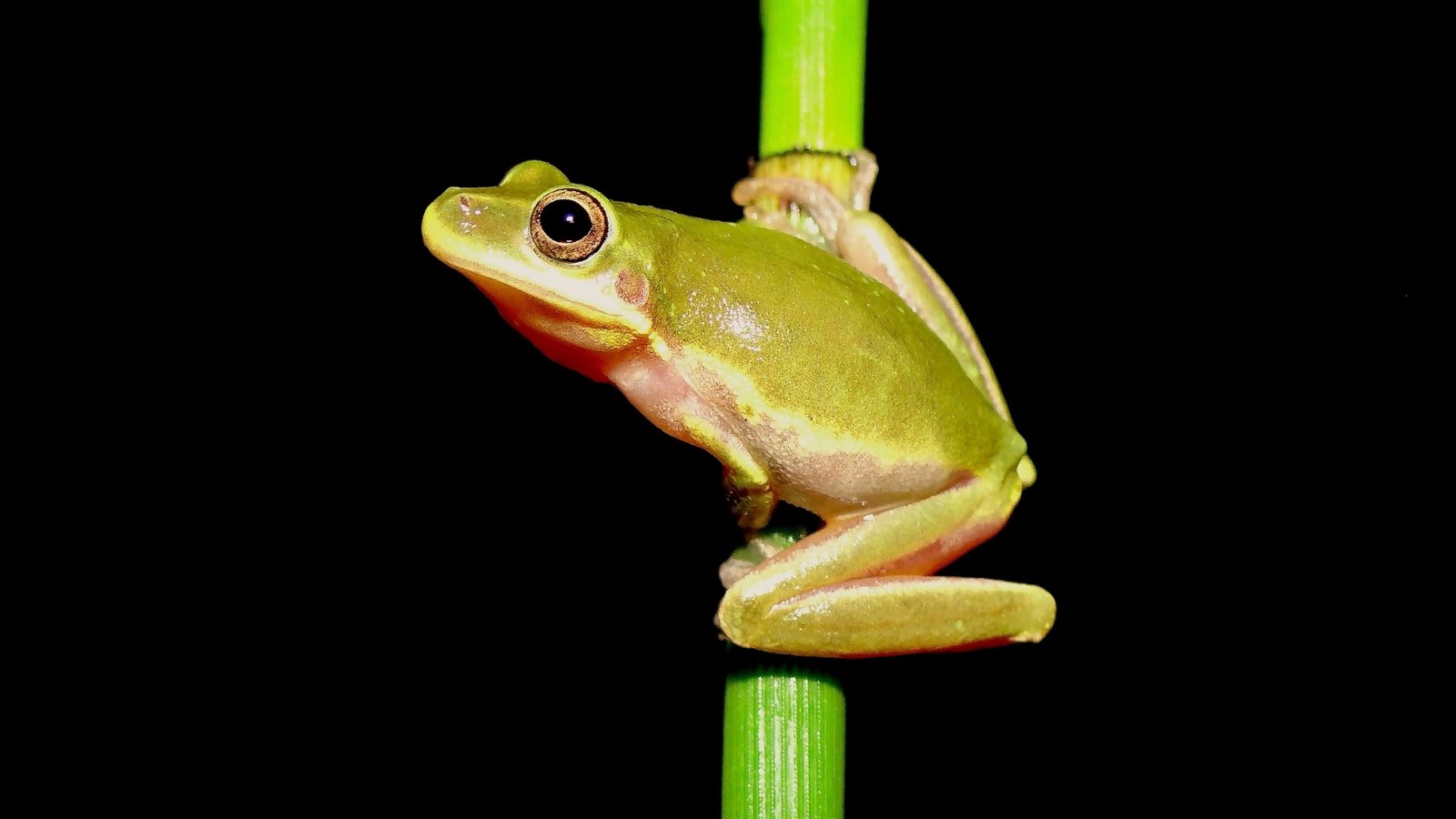
Coloration / Pattern: Variable green to brown with occasional mottling; smooth skin with subtle pattern shifts.
Build / Form: Small-bodied with long, agile limbs and rounded toe pads for strong climbing grip.
Light Response: Mild reflective sheen; no strong UV fluorescence, but moist skin catches light dramatically.
Temperament
Baseline: Skittish but curious. Tends to hide during the day and explore actively at night.
Response to Disturbance: Quick hopping escape, short freezes, or retreat into foliage.
Feeding Style: Active hunter; becomes most responsive shortly after dark.
Social Housing
Can be housed in small groups with ample space and resources. Provide multiple leaf clusters, climbing routes, and feeding points to avoid competition. Default recommendation: Pairs or small groups only if monitored; singles are simplest.
Quick Traits
Keeper Notes
- Stress Signs: Excessive hiding, refusal to feed, frantic hopping.
- Confidence Builders: Dense foliage, consistent misting schedule, low household traffic.
- Display Tips: Use dim lighting and night-safe viewing lamps to observe natural behavior.
Care Requirements
Core setup and environmental targets to keep [Scientific Name] thriving. Replace the bracketed fields with species-accurate values.
Enclosure Setup
Type: [Arboreal/Terrestrial/Burrowing/Paludarium].
Minimum Size: [Tank dimensions or gallons].
Safety: Secure lid/locking front; cross-ventilation; cable-managed heat sources.
- Size: [e.g., 18″×18″×18″ / 20L]
- Lid: [Secure mesh / locking front]
- Hides: [Cork rounds, snug slabs, leaf litter, rock caves]
- Enrichment: [Branches, bark, anchor points, clutter]
Substrate
Blend: [Soil/moss/sand/clay mix].
Depth: [in/cm — deep enough for burrowing if applicable].
Purpose: [Burrowing, humidity buffering, secure footing].
Habitat
- Water: [Shallow dish / misting schedule / drip — safety notes]
- Décor: [Logs, cork, live plants, rocks, climbing structures]
- Behavior Fit: [Climber/Burrower/Web-builder/Surface dweller]
Environment Targets Set & forget (monitor)
Lighting
[Ambient only / UVB optional / UVB recommended] with a [12L:12D] photoperiod. Night viewing via red/UV-safe light if desired.
Food & Water
- Juveniles: [Prey size + schedule, e.g., small crickets 2–3× weekly]
- Adults: [Prey size/variety + schedule, e.g., dubia/locusts 1–2× weekly]
- Hydration: [Water dish / misting / droplets; replace water frequently]
- Best Time to Feed: [Dusk/Night/Varies]
Cleaning
- Spot-Clean: Remove uneaten prey, waste, mold after feedings.
- Deep Clean: Replace substrate every [X] months; rinse décor with hot water (no chemicals).